There are automotive names that disappear quietly. Pajero isn’t one of them.
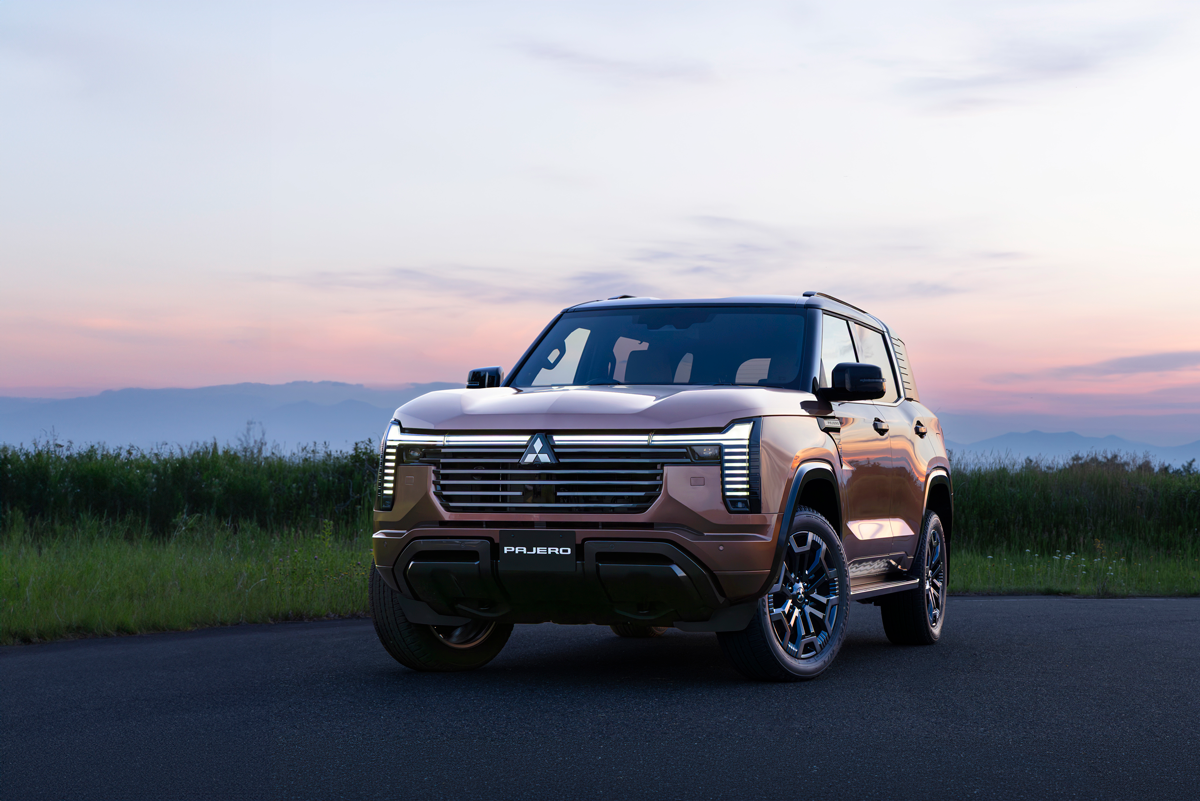
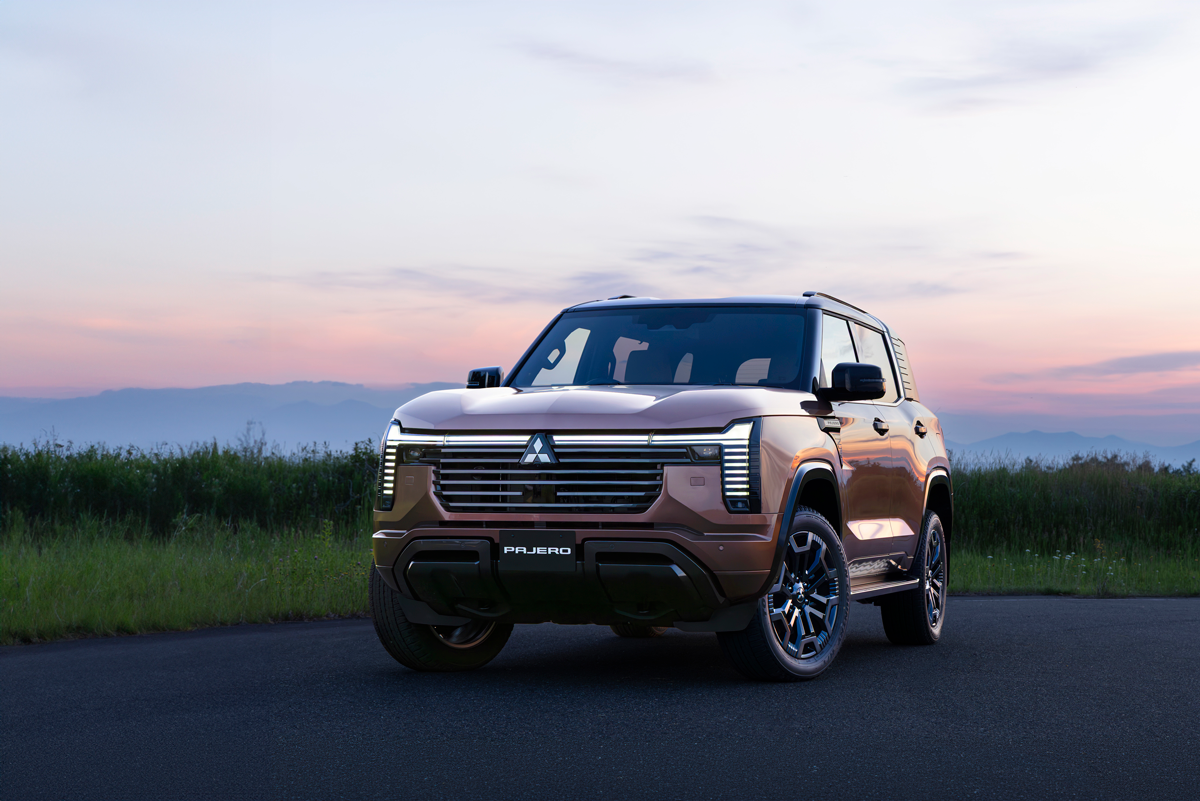
After years without a new generation, Mitsubishi has unveiled an all-new Pajero, bringing back one of the company’s most recognizable nameplates as something more ambitious than a nostalgic off-road revival.
Mitsubishi now describes the Pajero as its new-generation flagship. That’s quite a job for a model whose reputation was largely built on mud, durability and Dakar Rally success.
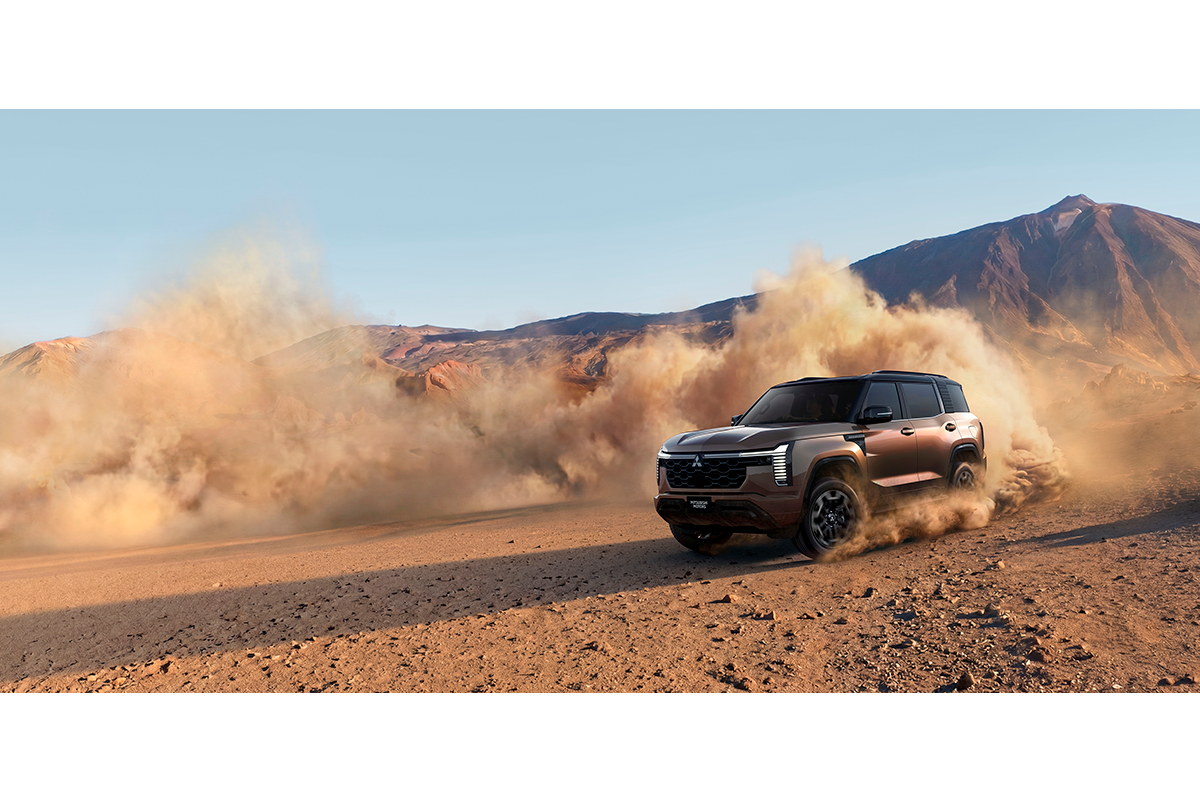
The basic engineering suggests Mitsubishi hasn’t forgotten that history.
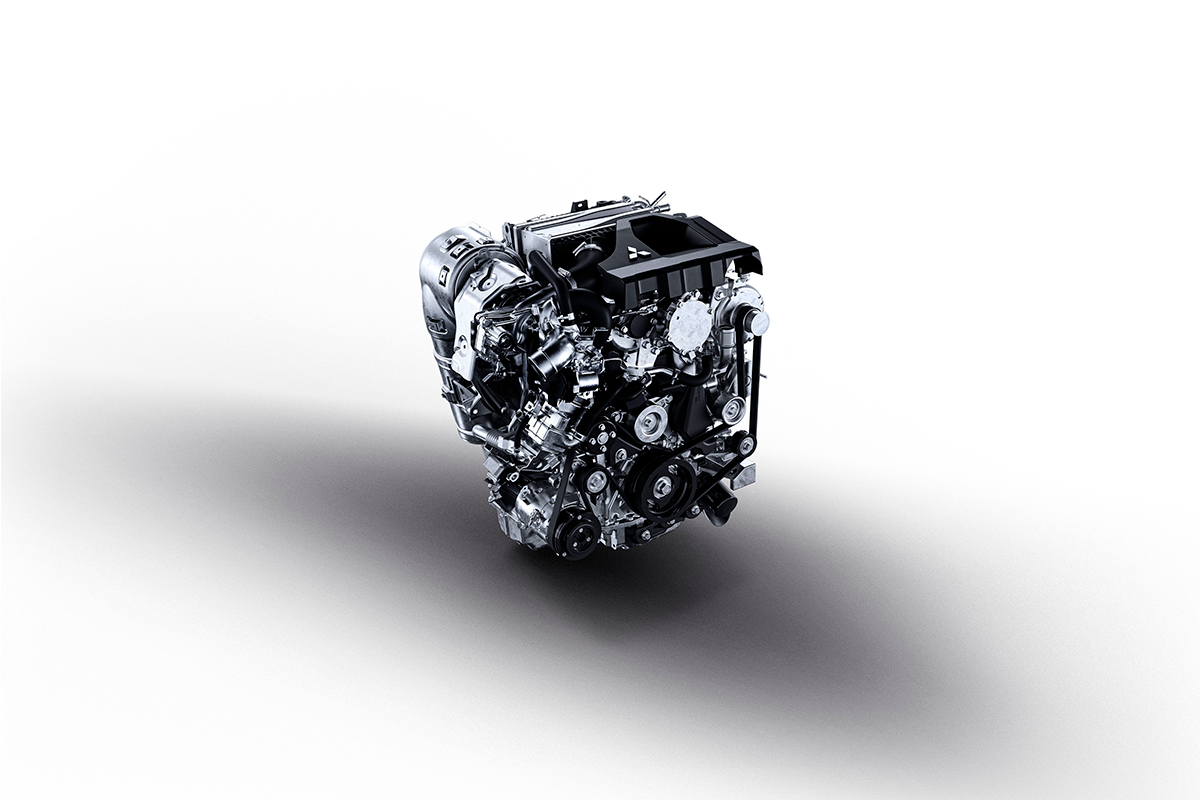
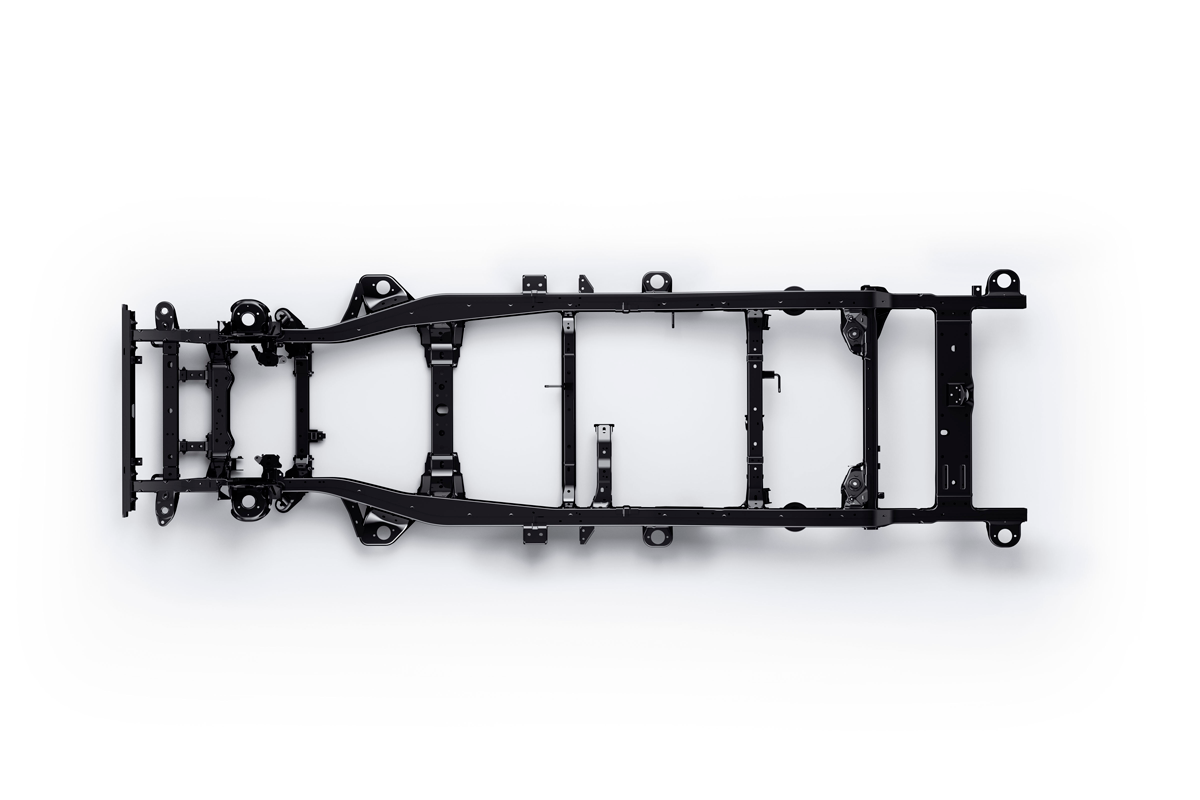
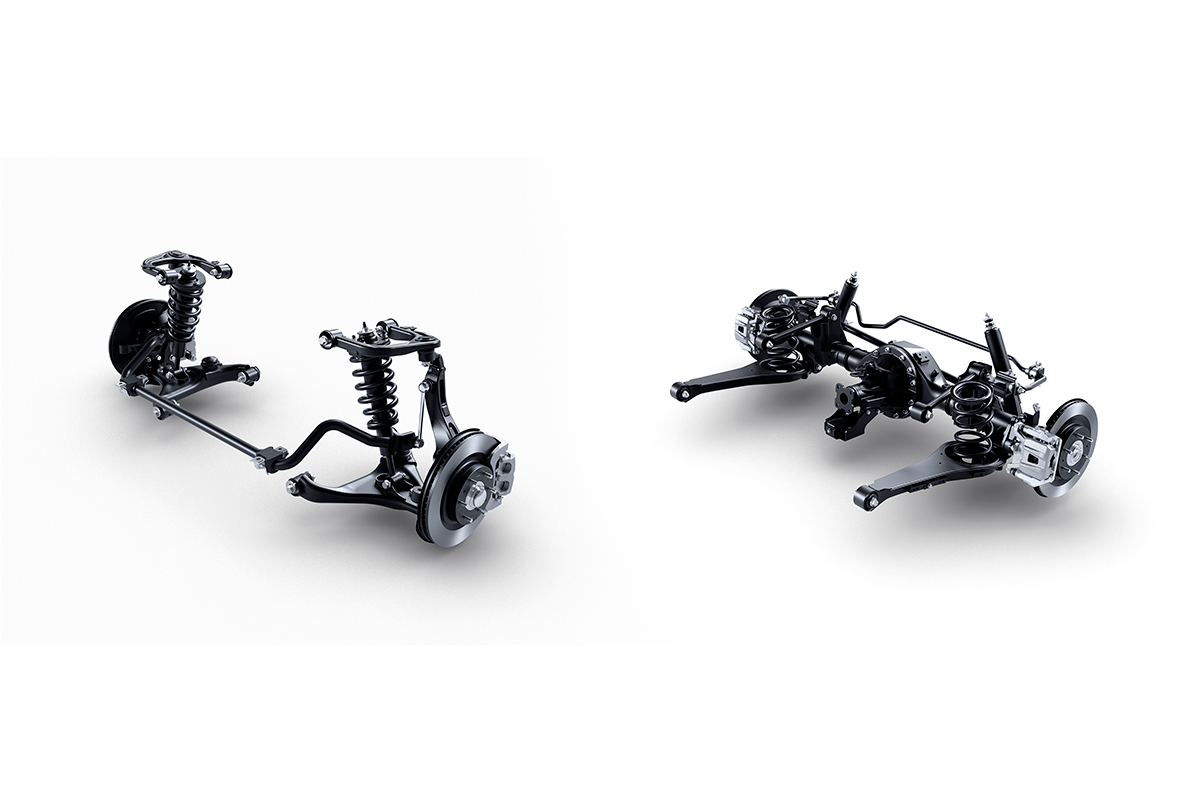
The new Pajero retains a ladder-frame chassis, rather than moving completely toward the road-focused crossover architecture now common in large SUVs. It also uses Mitsubishi’s Super Select 4WD-II system together with Super-All Wheel Control, or S-AWC, which coordinates acceleration, braking and cornering behavior.
In other words, Mitsubishi still expects owners to leave asphalt occasionally. The difference is what happens once they get back onto it.
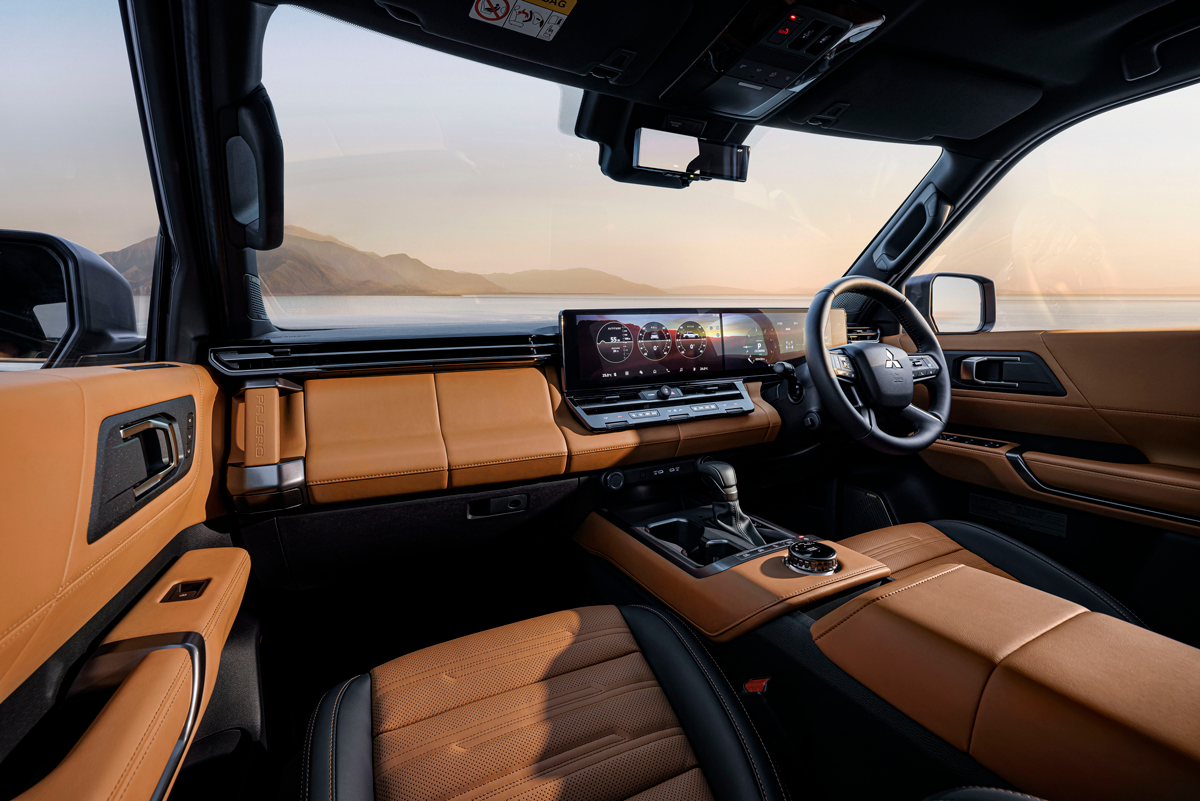
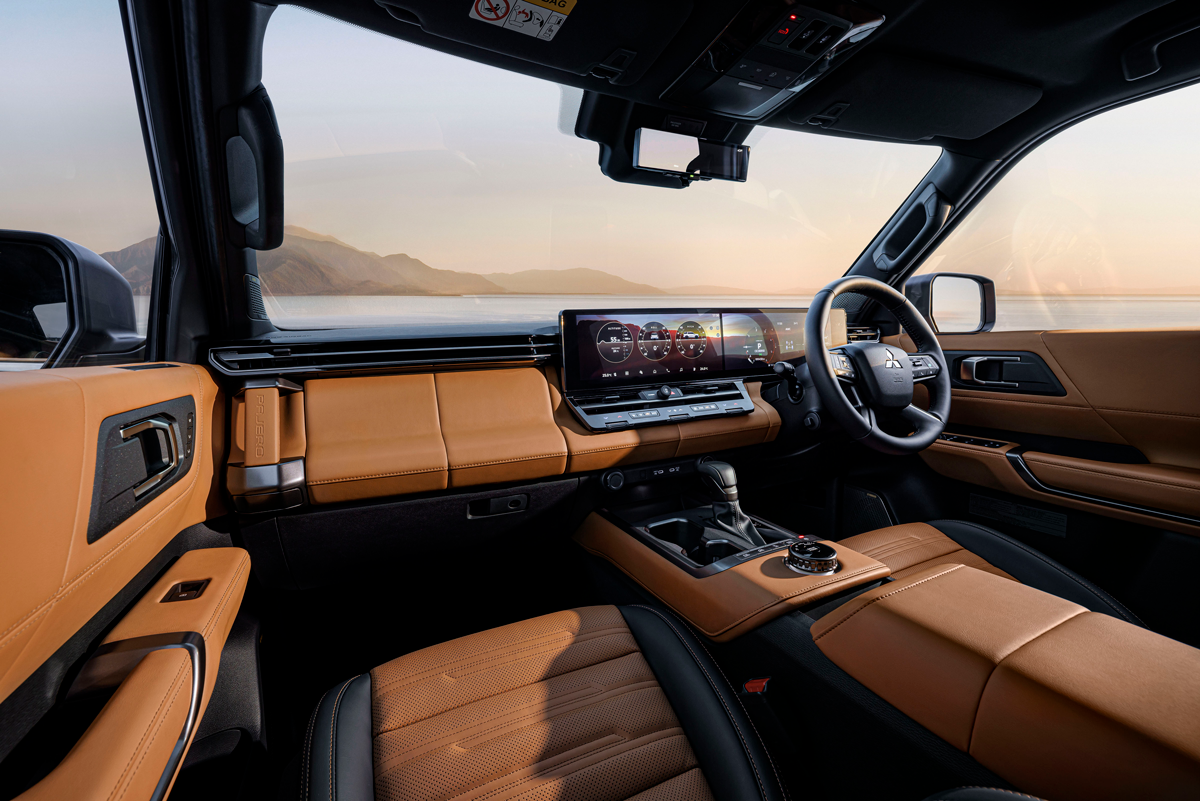
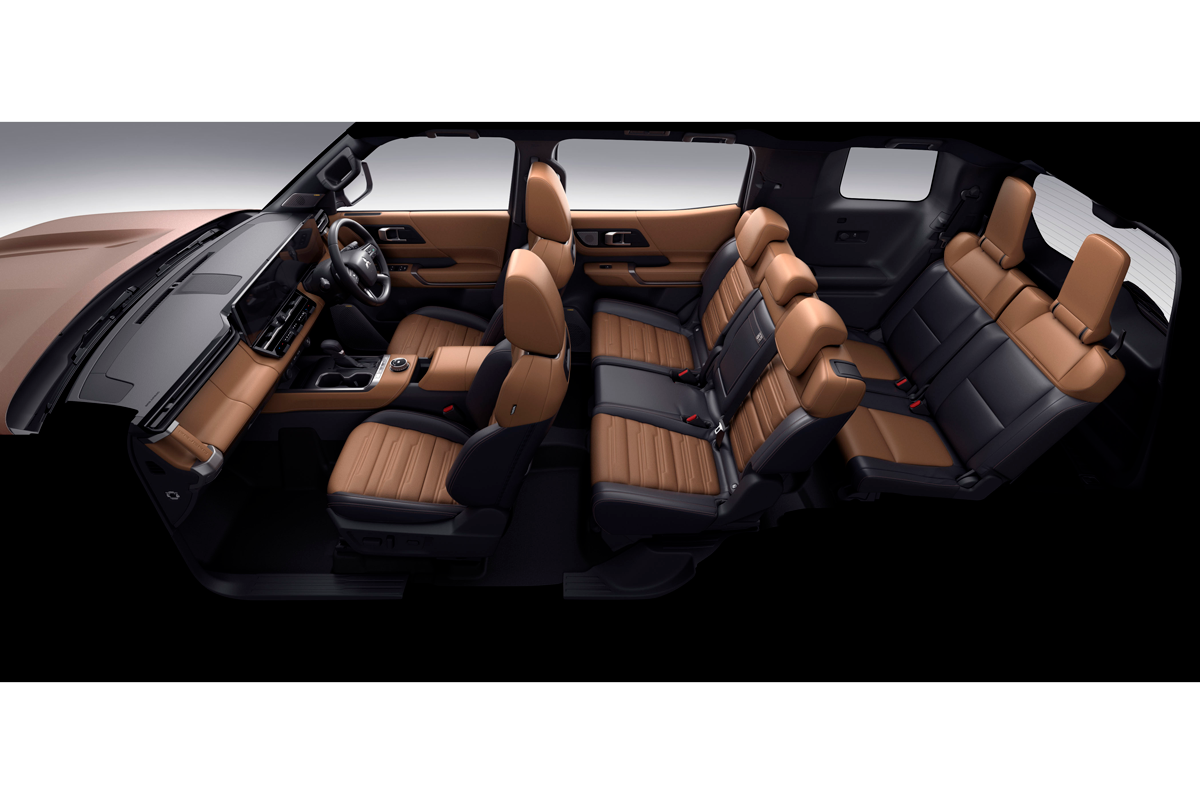
Mitsubishi has added “Prestige” to the traditional Pajero priorities of confidence and comfort, and the cabin makes that particularly obvious. A monolithic dashboard display incorporates two 14.3-inch screens, while materials and stitching take inspiration from traditional Japanese craftsmanship.
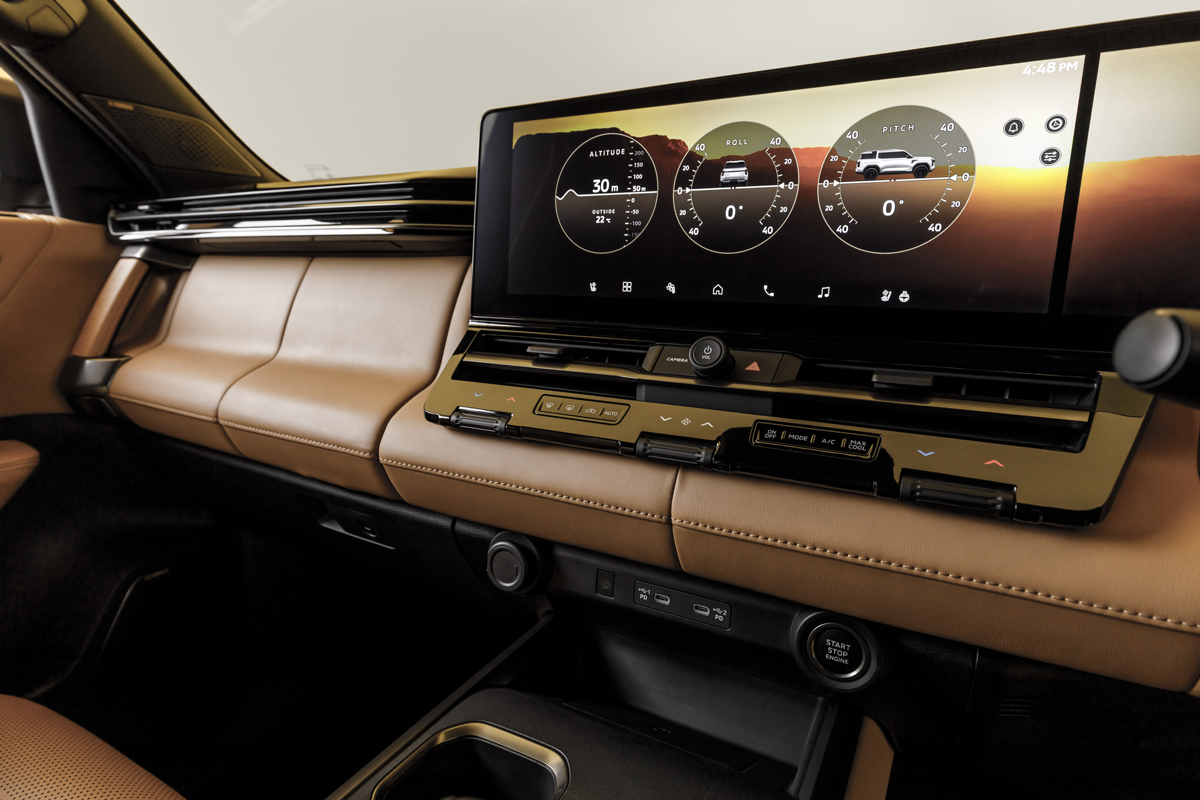
Even the digital instruments contain a small piece of Pajero history.
The Multi Meter display recreates the spirit of the triple-meter arrangement used in previous generations, when knowing the vehicle’s angle and direction felt considerably more adventurous than checking another efficiency graphic.
The exterior does something similar.
There are modern T-shaped headlights and two different grille designs, but Mitsubishi has also recreated familiar details without simply copying the old vehicle. The C-pillar references the roll-bar appearance of the original Pajero, while the hexagonal design at the rear recalls the externally mounted spare wheel of earlier generations.
That’s a better approach to heritage than sticking a 1980s badge onto an unrelated crossover.
The Pajero story is substantial enough to deserve the effort. Mitsubishi says more than 3.29 million examples were produced across the previous four generations, with the SUV sold in more than 170 countries and regions.
The new model will initially launch in Thailand, followed by Japan and Australia during fiscal 2026. Mitsubishi then plans to expand it to around 100 countries from fiscal 2027, including markets in Southeast Asia, Latin America and the Middle East.
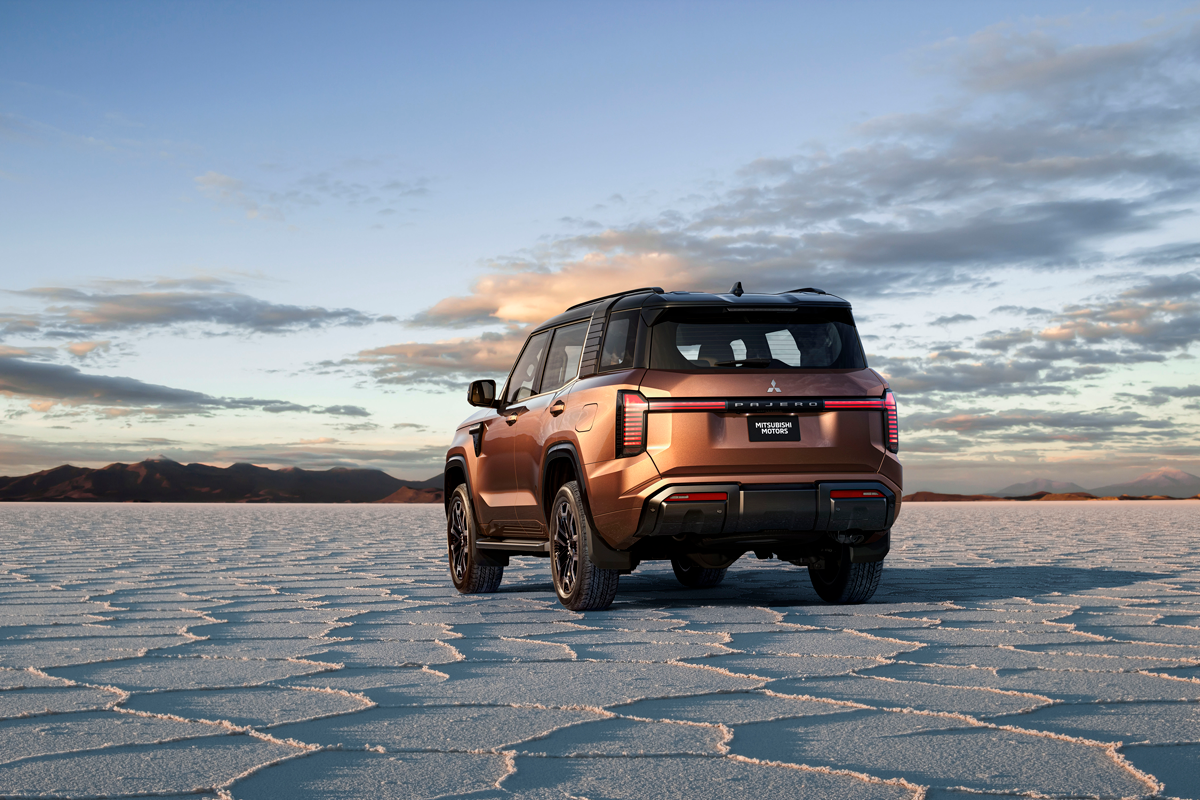
Notably, Mitsubishi hasn’t turned the returning Pajero into an EV simply because we’re in 2026. Nor has it transformed the name into a soft urban SUV.
That may ultimately be its strongest decision.
There are already hundreds of comfortable crossovers available. A Pajero that forgets why people remember the Pajero would have considerably less reason to exist.
The new one appears to understand that. It just wants to add leather and large screens without leaving the ladder frame behind.