

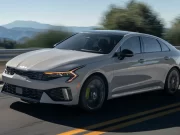













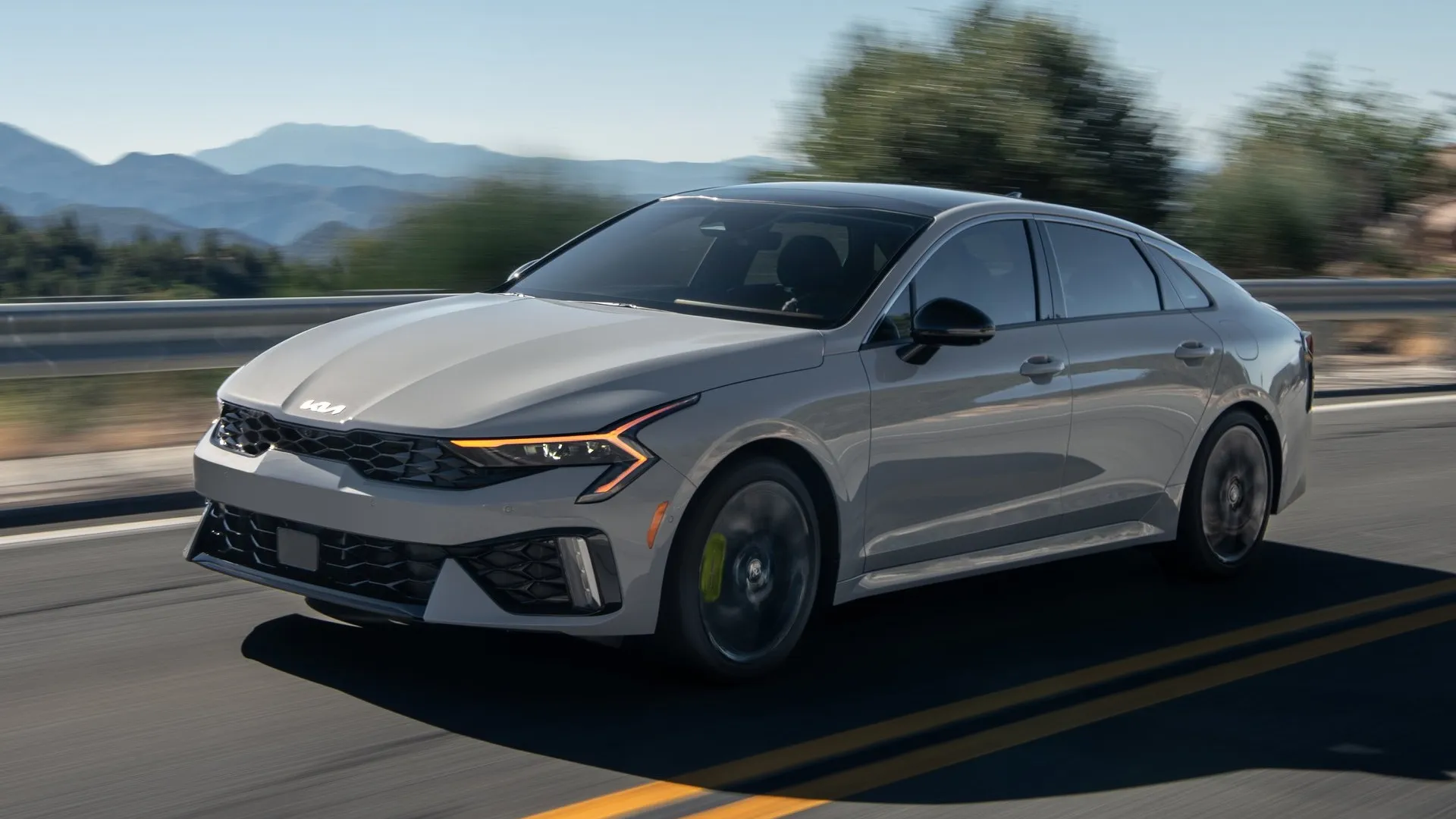
A few years ago, most product plans moved in one direction. More crossovers, more sport utility vehicles, fewer traditional passenger cars. Now several manufacturers are reviewing old assumptions, and the sedan has entered those conversations again.
Part of the pressure comes from price. Crossovers and sport utility vehicles brought larger margins for manufacturers, so brands promoted them heavily and buyers followed. Over time, though, sticker prices climbed enough to leave part of the market behind. For many households, entry points moved upward while simpler body styles faded from dealer lots.
Recent sales numbers added weight to the discussion. During the first quarter of 2026, the Toyota Camry moved ahead of every other Toyota passenger model and utility model sold in the same family, including the Toyota RAV4. Camry volume reached 78,255 units, up 11.3 percent from a year earlier. RAV4 ended the quarter at 59,869 units, down 48.1 percent. There is context here, since the utility model sits in the middle of a generation change, which affects the comparison, though the gap still drew attention.
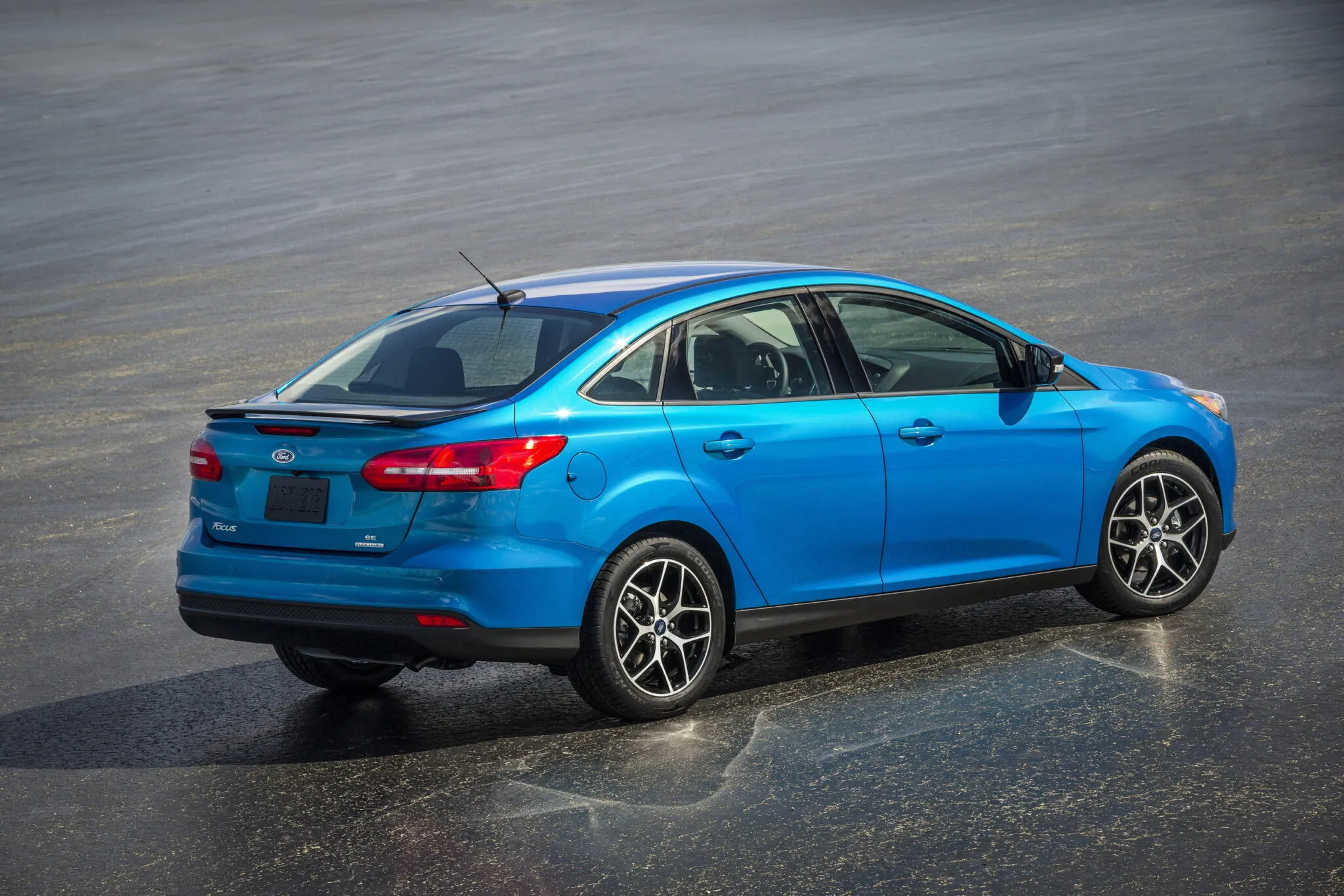
Executives from several groups have started speaking more openly about passenger cars. Auto News reported internal discussion across Ford, Nissan, Stellantis, and other companies. Tiago Castro, Nissan’s United States marketing and sales chief, described sedans as “unapologetic and unexpected.” He also tied the format to brand identity, saying such vehicles reconnect a company with earlier roots.
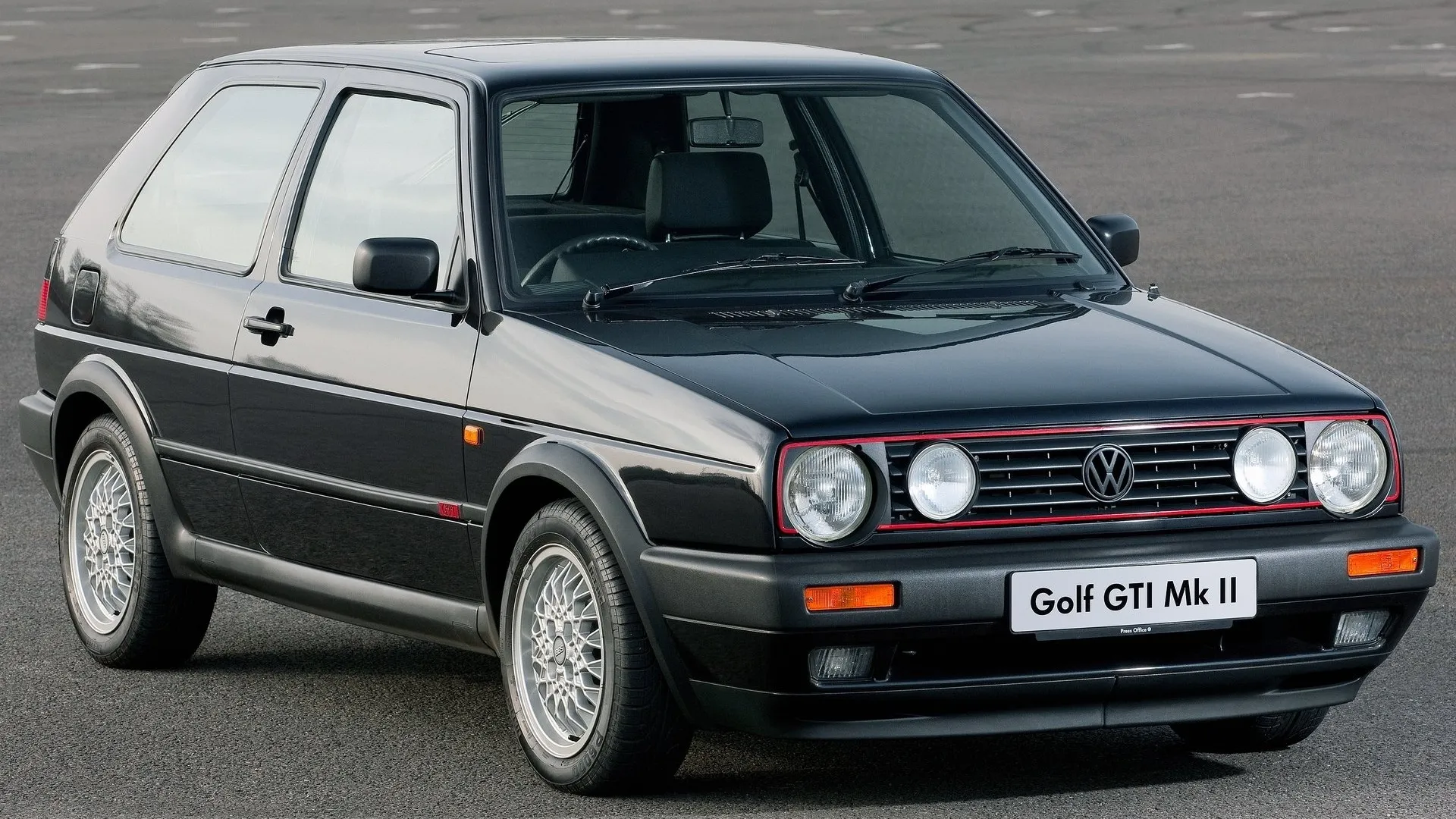
At Stellantis, design chief Ralph Gilles described demand in direct terms. He said many buyers ask for sedans. He also pointed toward smaller formats, mentioning young designers who admire hatchbacks shaped like the Volkswagen Golf GTI Mk II from the 1980s. His wording stayed practical. A personal car, easy to park, enjoyable on the road. That part, he said, is forcing new discussion around body choices.
Ford offered perhaps the clearest public signal. Speaking in January at the Detroit Auto Show, chief executive officer Jim Farley said the sedan market is still vibrant. He explained Ford had not managed to compete profitably before, though he added a different route might now exist.
Regulation plays into this shift too. Manufacturers had long argued against fuel economy targets set at 50.4 miles per gallon. Federal policy is now moving toward 34.5 miles per gallon, though the change carries another consequence. Crossovers and many sport utility vehicles earned an advantage by fitting the light-truck category. New fuel rules would move many smaller examples into passenger-vehicle classification.
Once those vehicles lose special treatment, product math changes. For some brands, the sedan starts looking useful again.