
















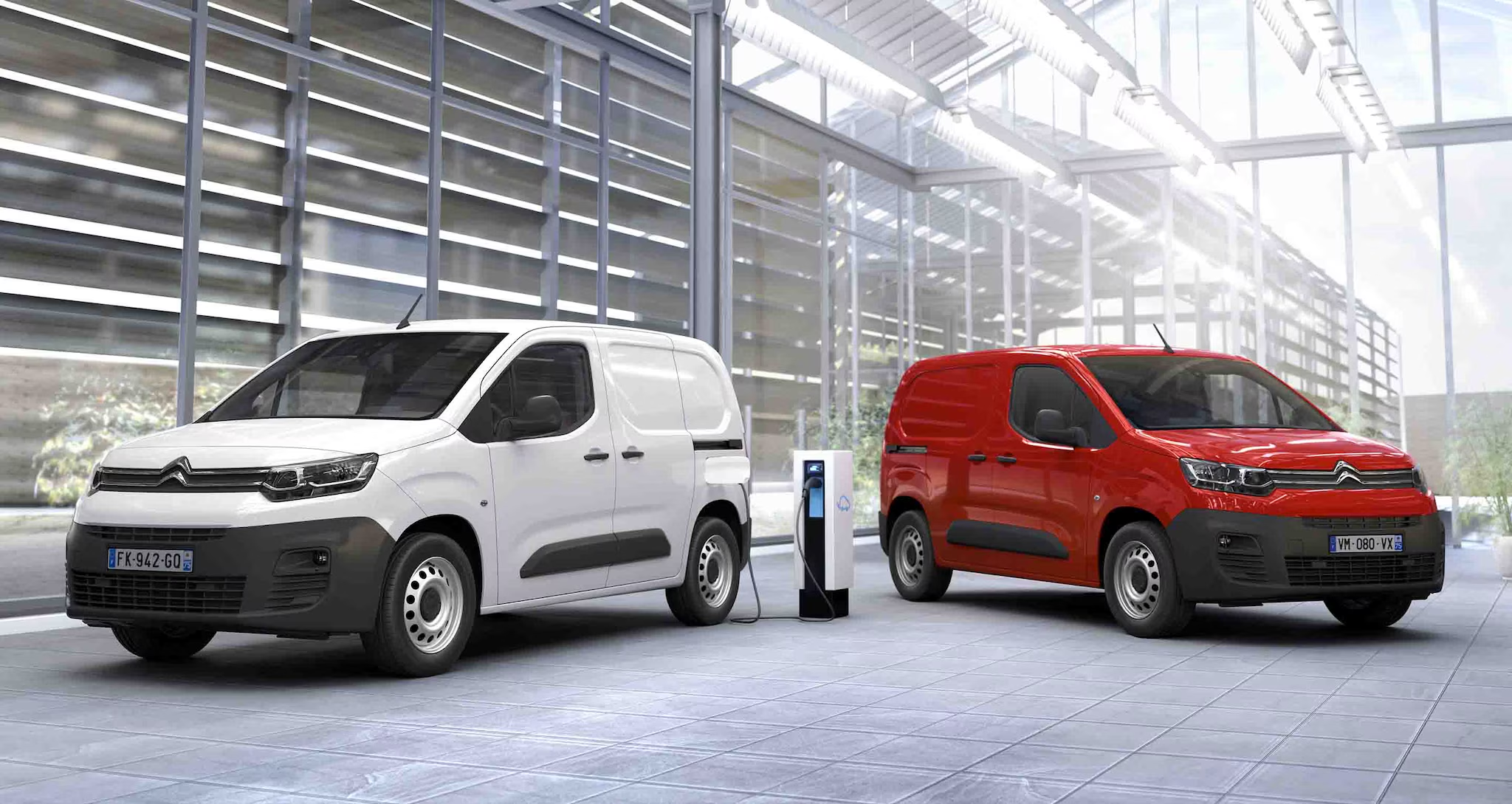
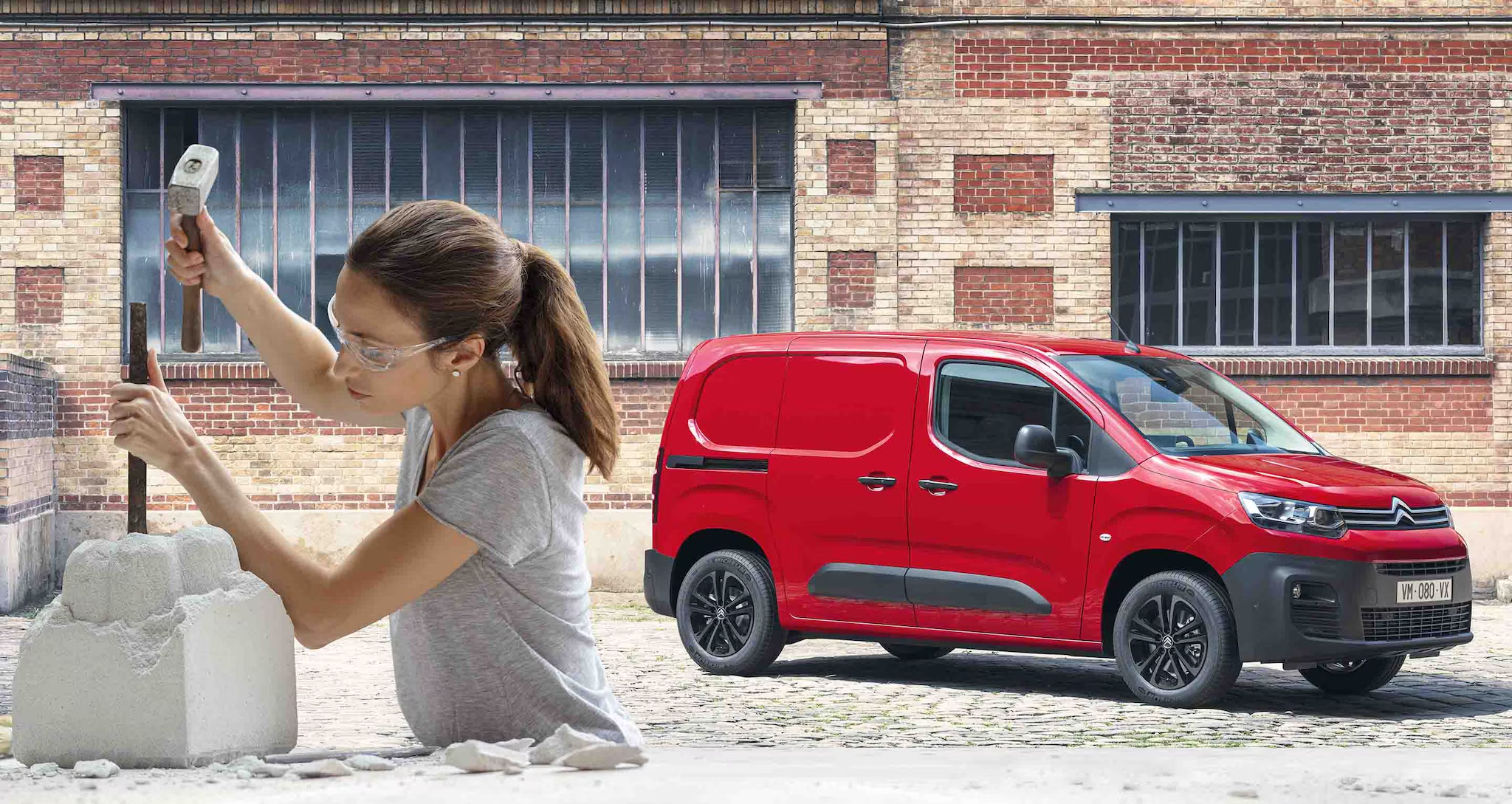
New cars have developed an unfortunate habit of becoming more complicated every time they’re updated. In this sense, Citroën is trying something slightly different with the Berlingo Van First. Make it simpler. Make it practical. And, most importantly, make it cheaper.
The new version is making its public world premiere at IAA Transportation 2026 in Hanover, running from September 15 to 20. Citroën describes it as a more accessible version of the Berlingo aimed specifically at professionals rather than buyers interested in accumulating equipment they may never use.
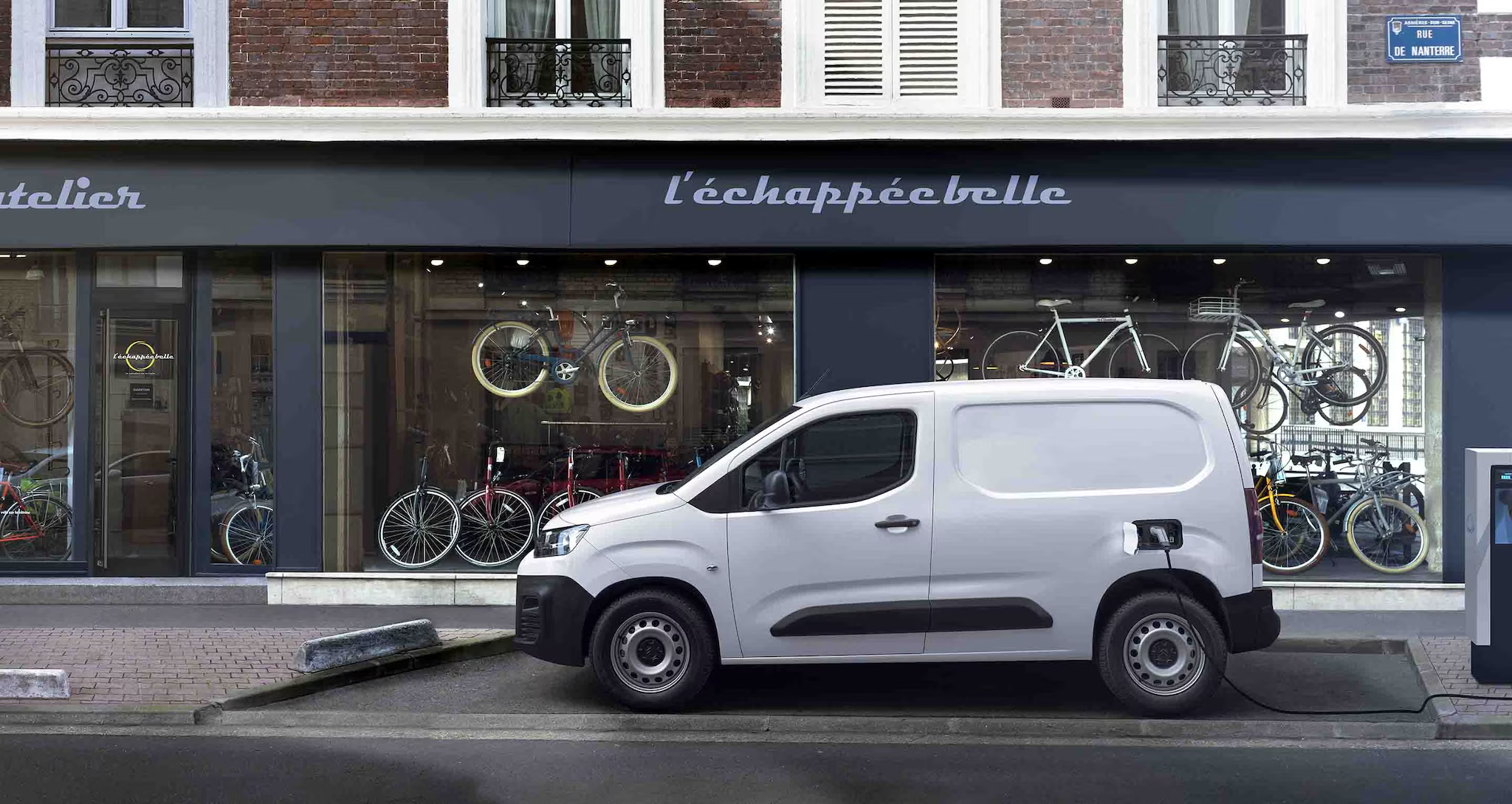
That doesn’t mean Citroën simply removed everything and lowered the price.
The front end has actually been redesigned, partly to make the vehicle more resistant to the sort of everyday knocks a working van inevitably receives.
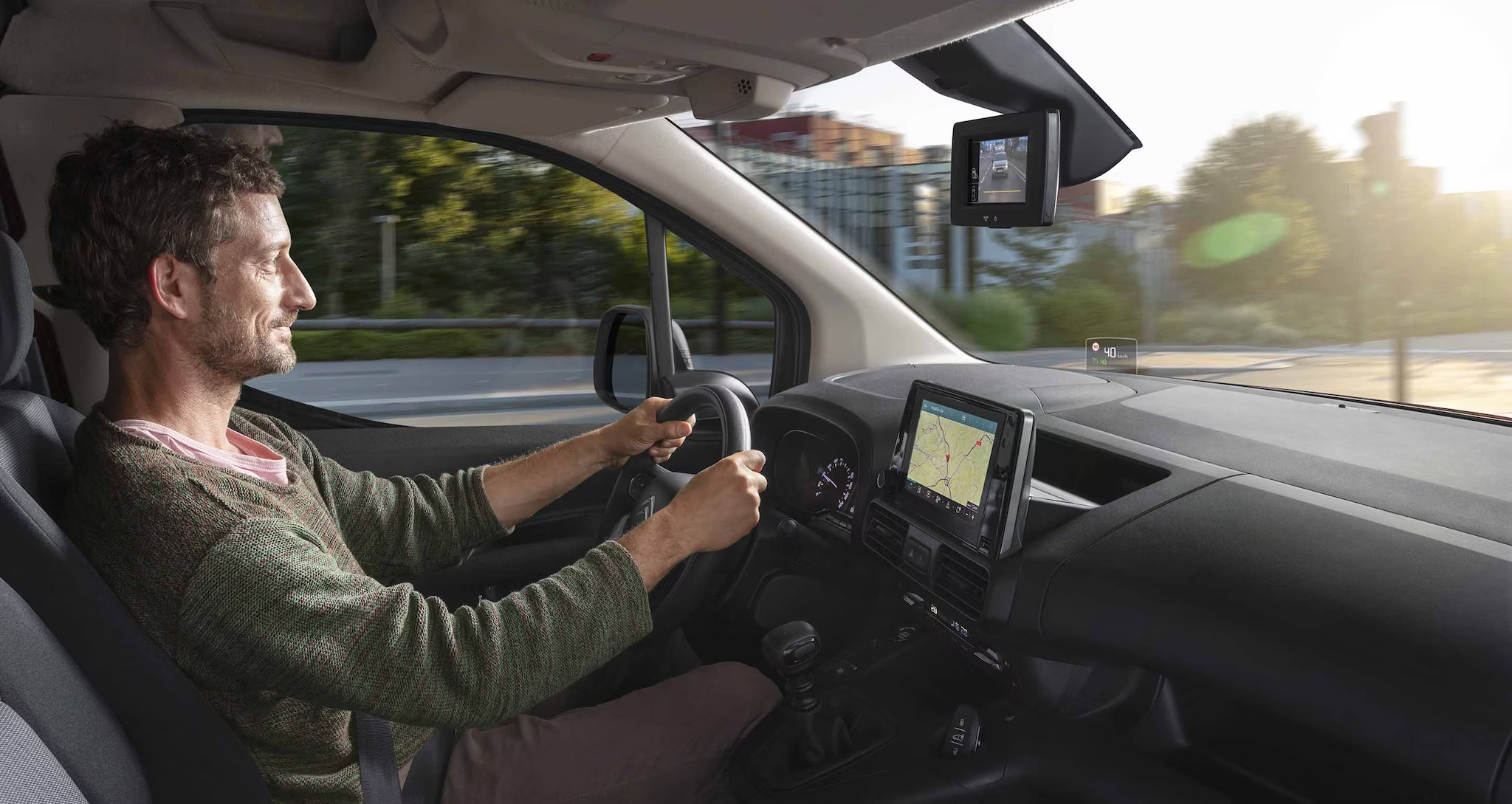
Inside, there’s a new dashboard, redesigned door panels and additional storage. More important is what happens to the passenger seat.
The standard Flexiseat arrangement allows the cabin to be reconfigured to increase loading space, while the optional Modutable setup can turn part of the interior into a small mobile office.
Neither feature will generate many exciting TikTok videos.
A plumber trying to write an invoice between jobs may appreciate them considerably more. That’s the interesting thing about commercial vehicles. The criteria that make a passenger car attractive can become almost irrelevant.
Nobody needs a delivery van with elaborate ambient lighting. They need doors that open properly, storage that makes sense and materials that don’t look destroyed after six months of dirty boots and toolboxes.
Price matters enormously too. A private customer may justify an expensive option because they like it. A business operating ten vehicles multiplies every unnecessary €500 by ten.
Suddenly simplicity becomes financially attractive. The Berlingo Van First also arrives at a significant moment for the nameplate.
The original Berlingo appeared in 1996, meaning the model celebrates its 30th anniversary this year. Citroën deliberately reused the “First” name that appeared in the original Berlingo story.
The model has since become central to Citroën’s commercial business.
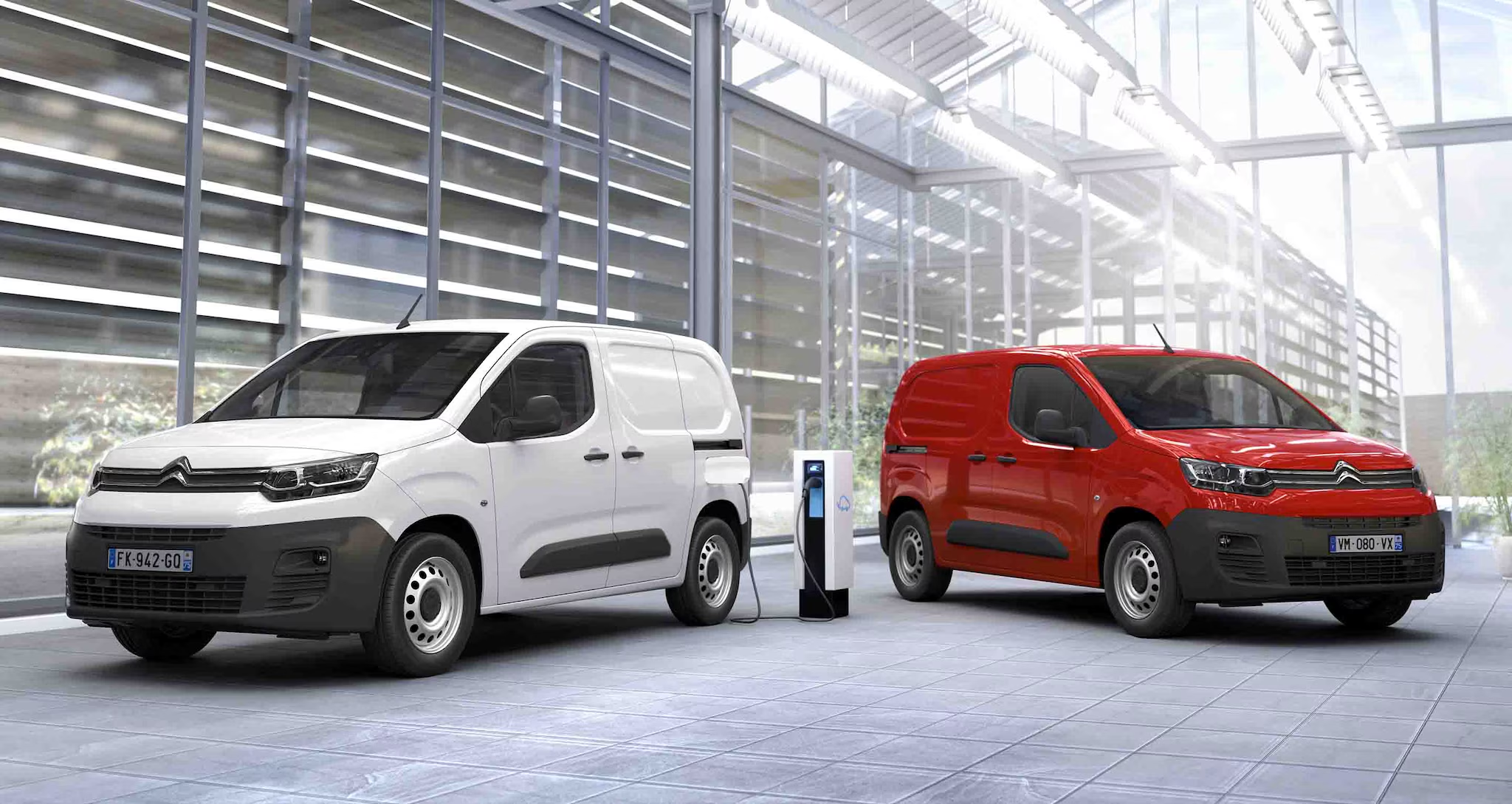
According to the company, Berlingo represented 52 percent of its utility-vehicle sales in 2025. That makes experimenting with a cheaper derivative considerably less risky than launching an entirely new commercial vehicle.
Citroën already knows businesses understand what a Berlingo is. The job is convincing more of them that they don’t need to pay for the most elaborate version.
The wider Stellantis display at IAA Transportation shows how broad the commercial-vehicle market has become. Citroën is displaying everything from the tiny Ami with Cargo Pack to a Jumper Double Cab fitted with a three-sided tipper body.
Against all of that, the Berlingo First may look almost boring, but that’s fine. A working van doesn’t need to be exciting, it just needs to turn up every morning, carry whatever gets thrown inside it and cost as little as reasonably possible while doing so.
And, sometimes, going “back to basics” isn’t going backwards at all.