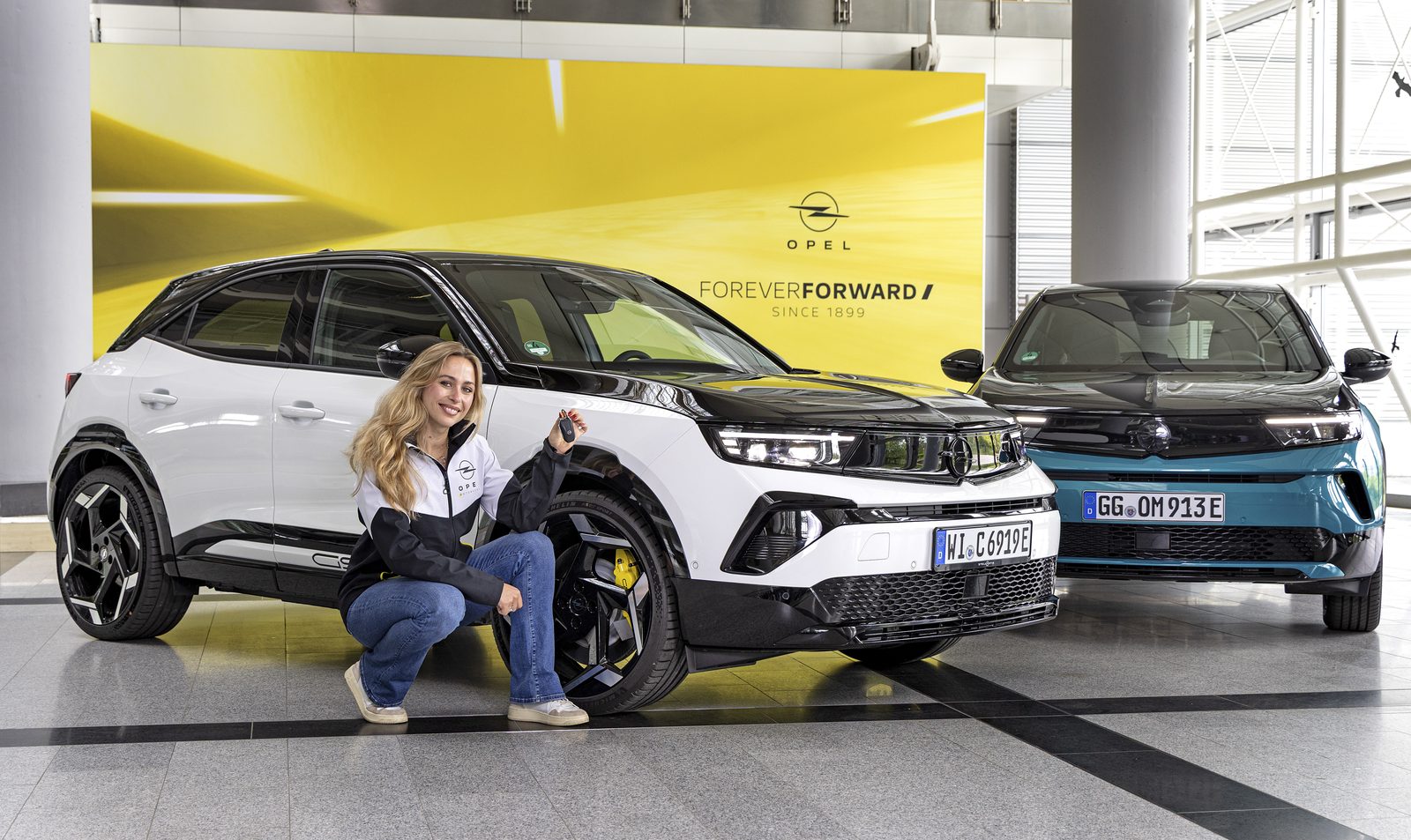
Putting a motorsport badge on a road car is easy. Change the bumpers, fit bigger wheels, add a few logos and remind everyone that the manufacturer goes racing somewhere.
Opel has taken a rather more involved route with the Mokka GSE.
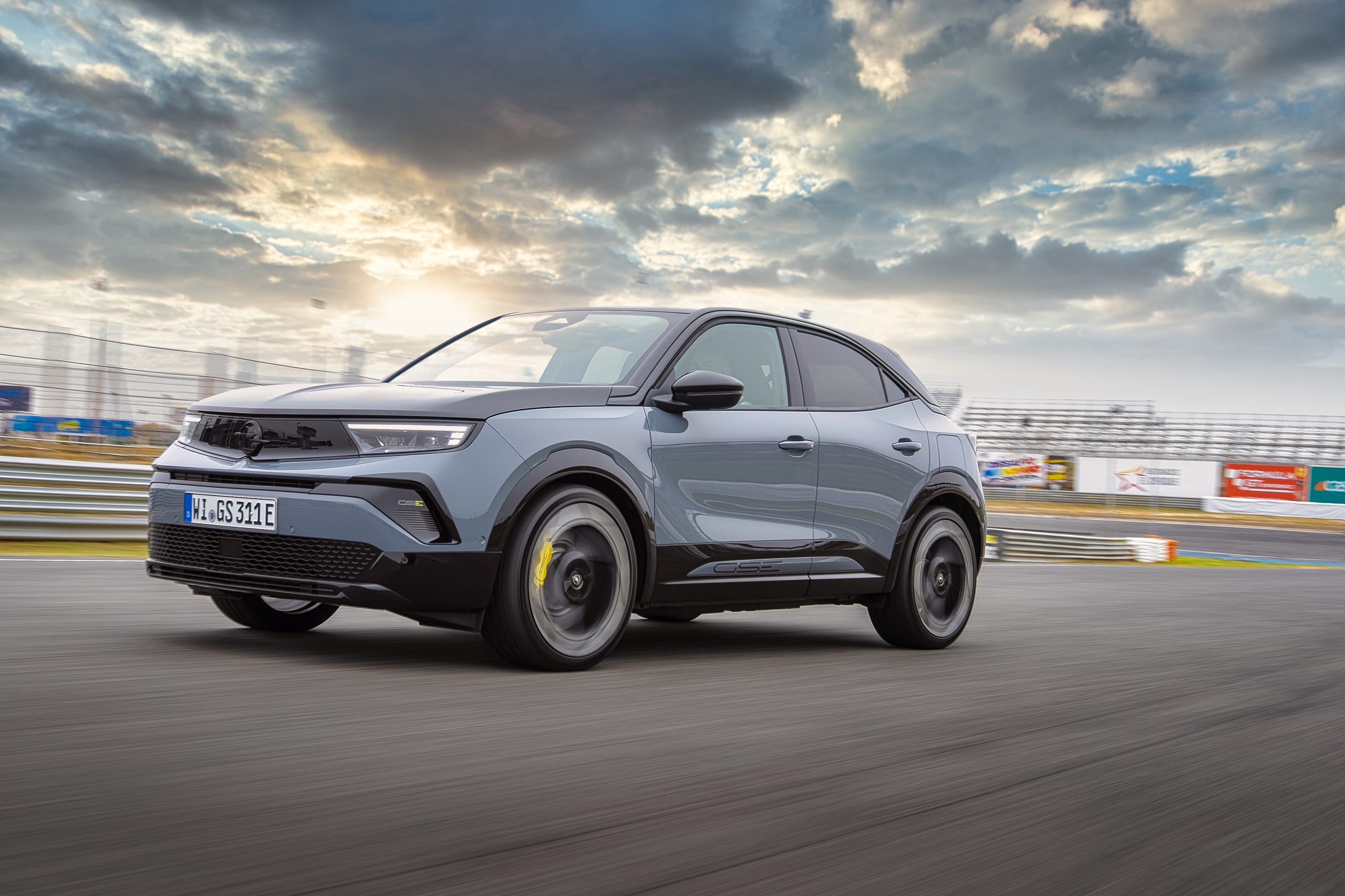
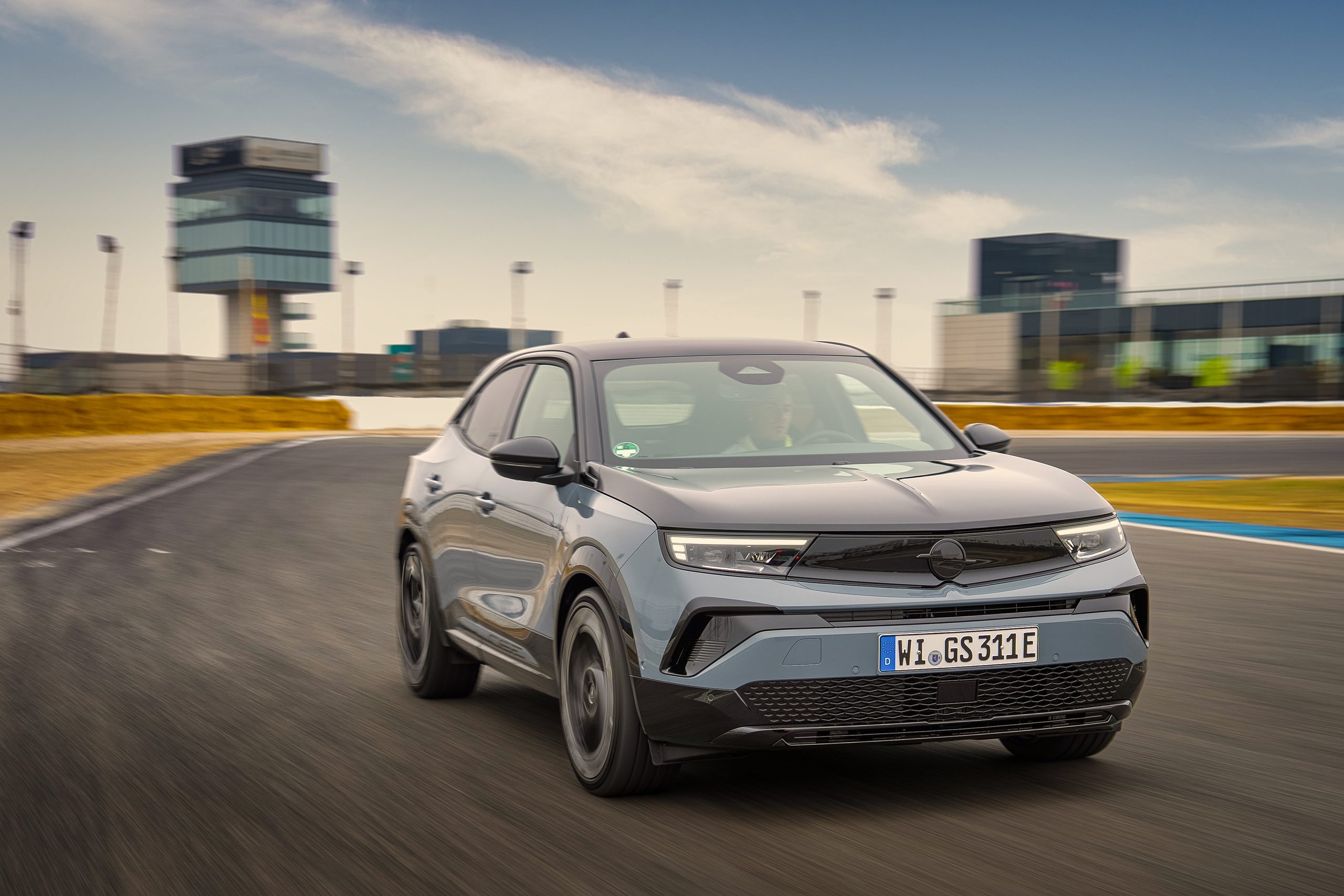
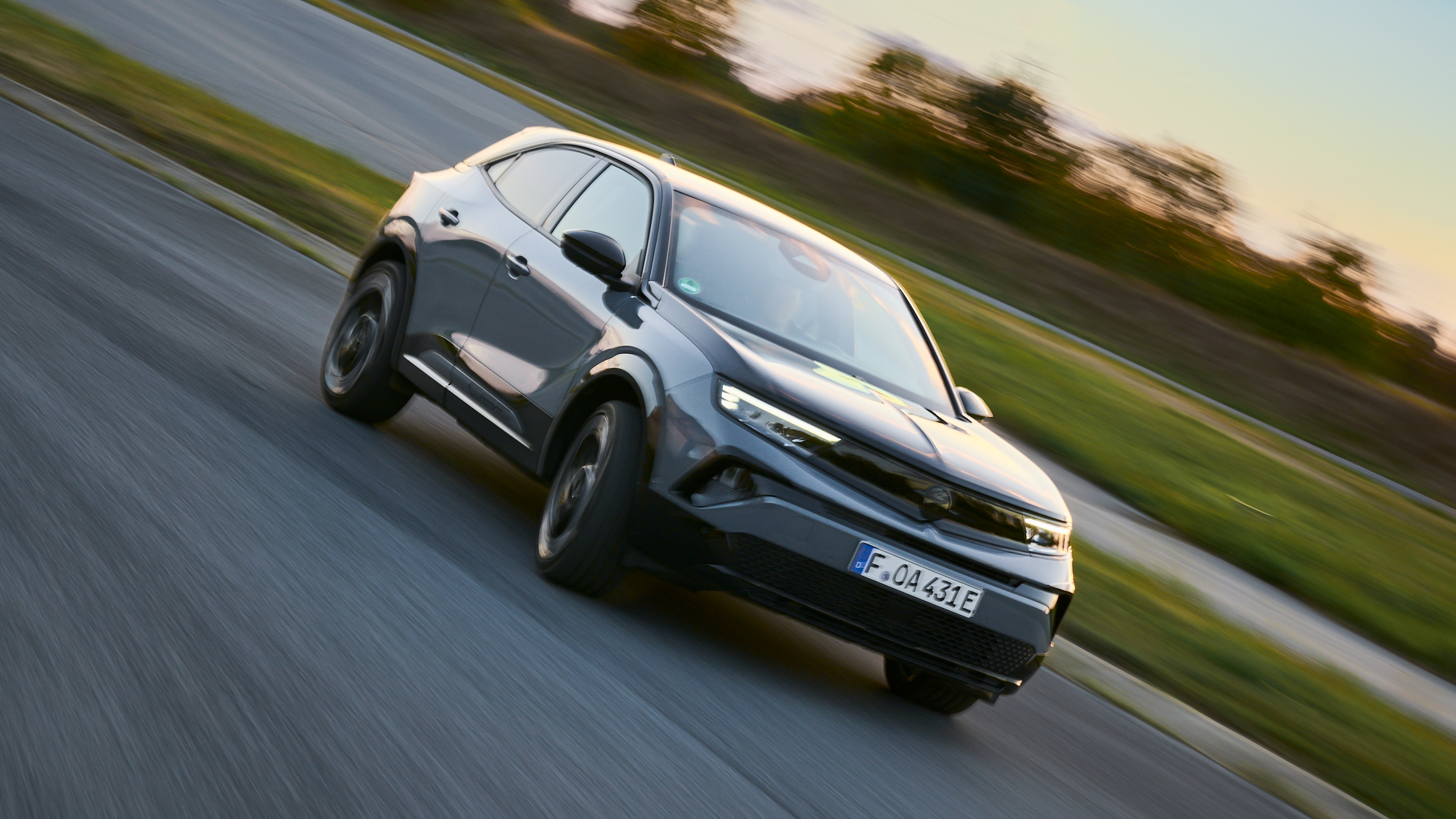
The little electric crossover produces 281 hp and 345 Nm, which already makes it the fastest production EV Opel has built. It reaches 100 km/h in 5.9 seconds and continues to 200 km/h, figures that would have sounded fairly improbable for a Mokka not very long ago.
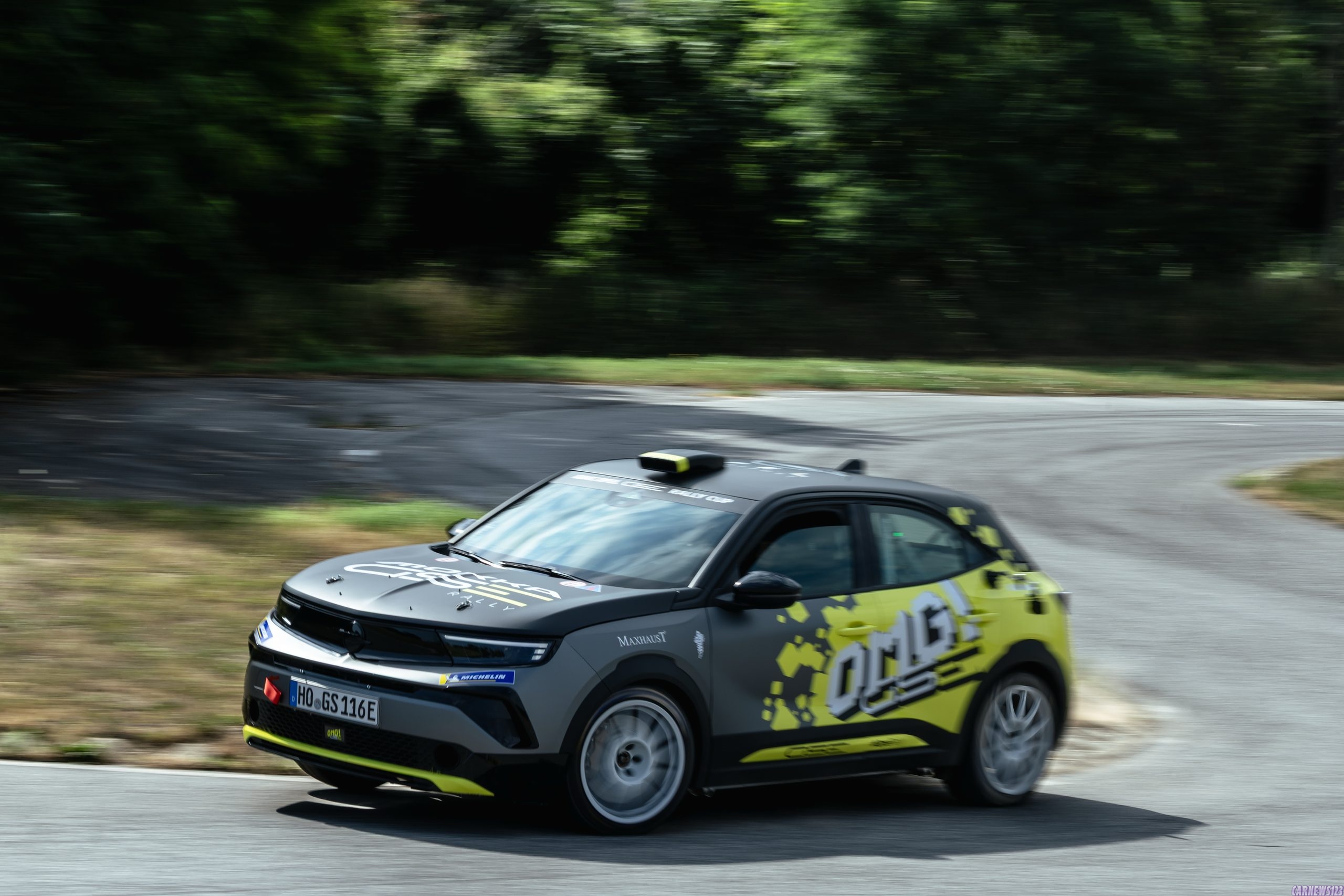
More interestingly, those numbers aren’t coincidental.
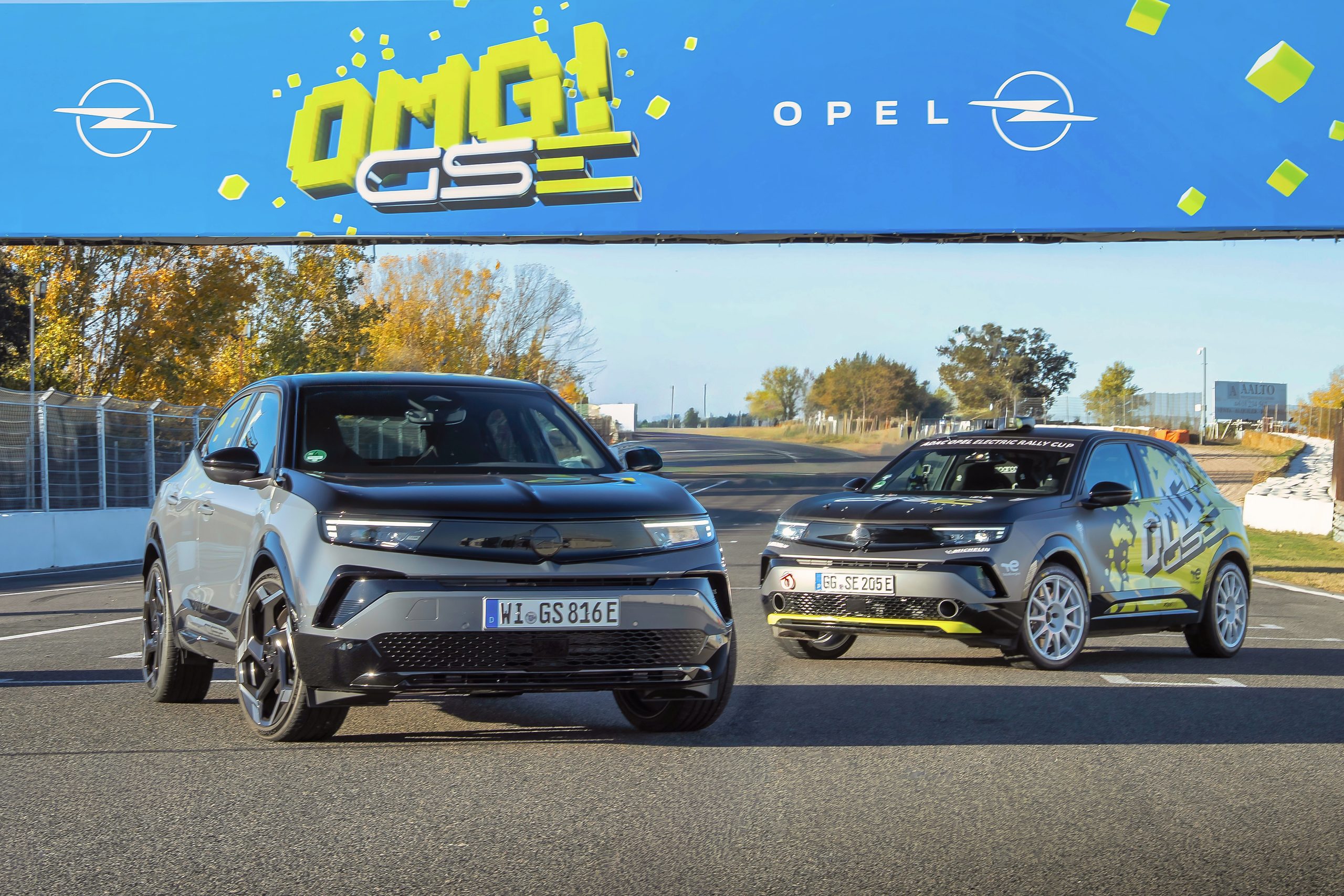
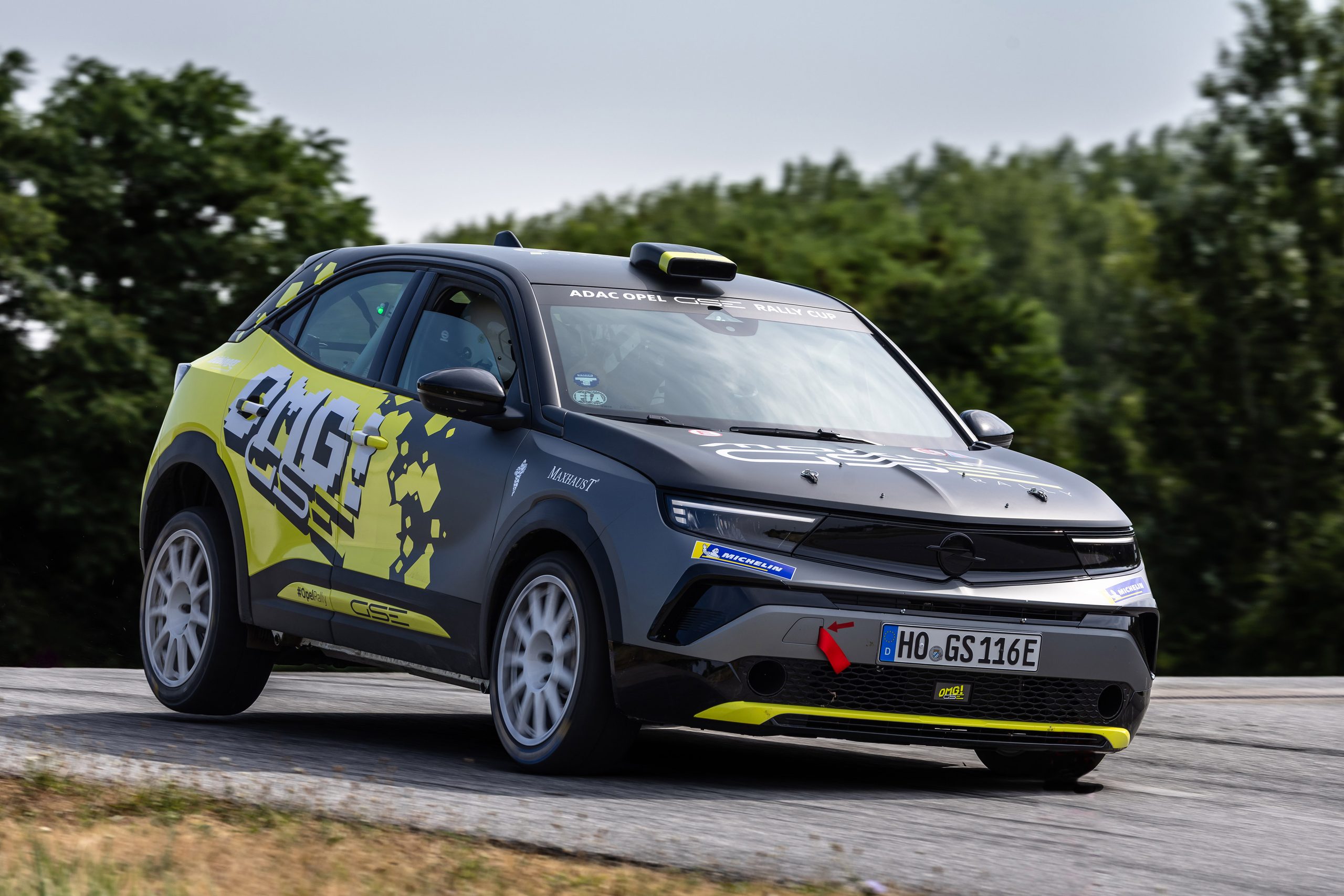
The road car produces the same peak power as the Mokka GSE Rally, and Opel says a number of its high-voltage components have also come across from the competition project. The chassis sits lower than on an ordinary Mokka, while the suspension has been developed specifically for the GSE.
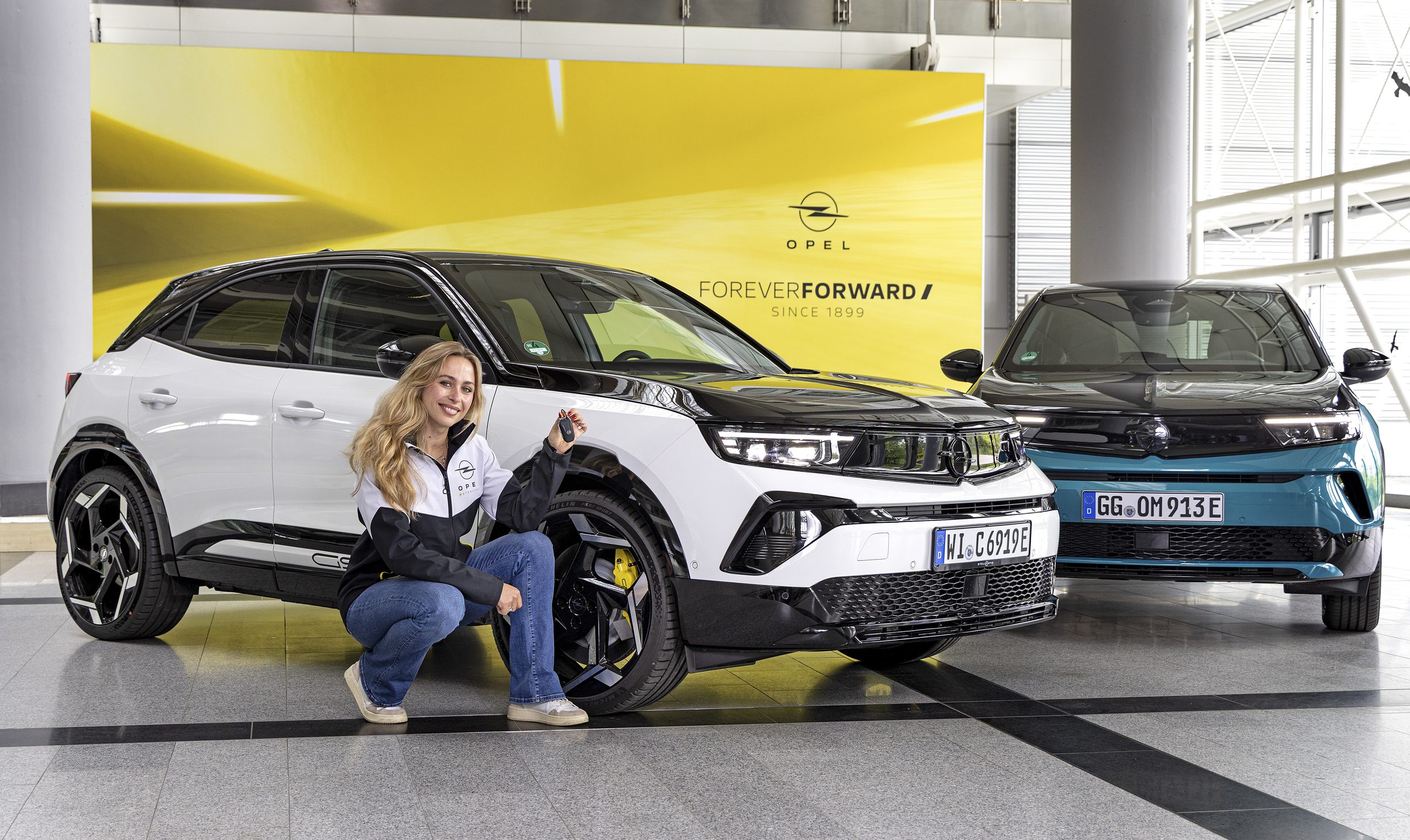
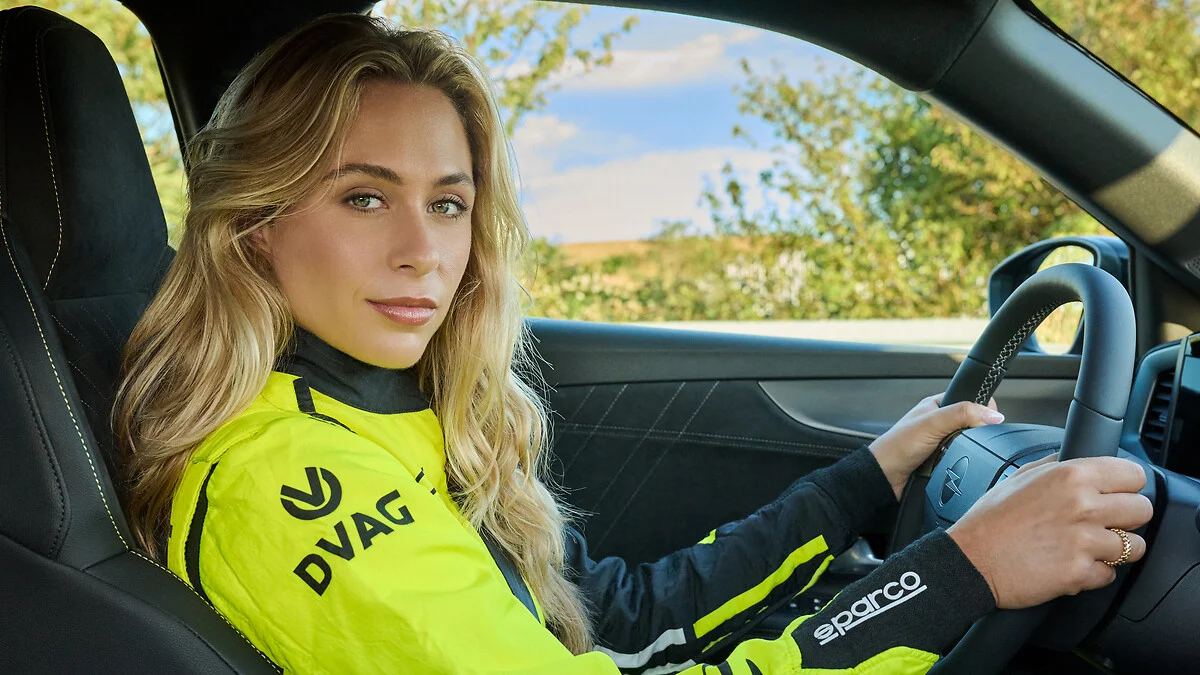
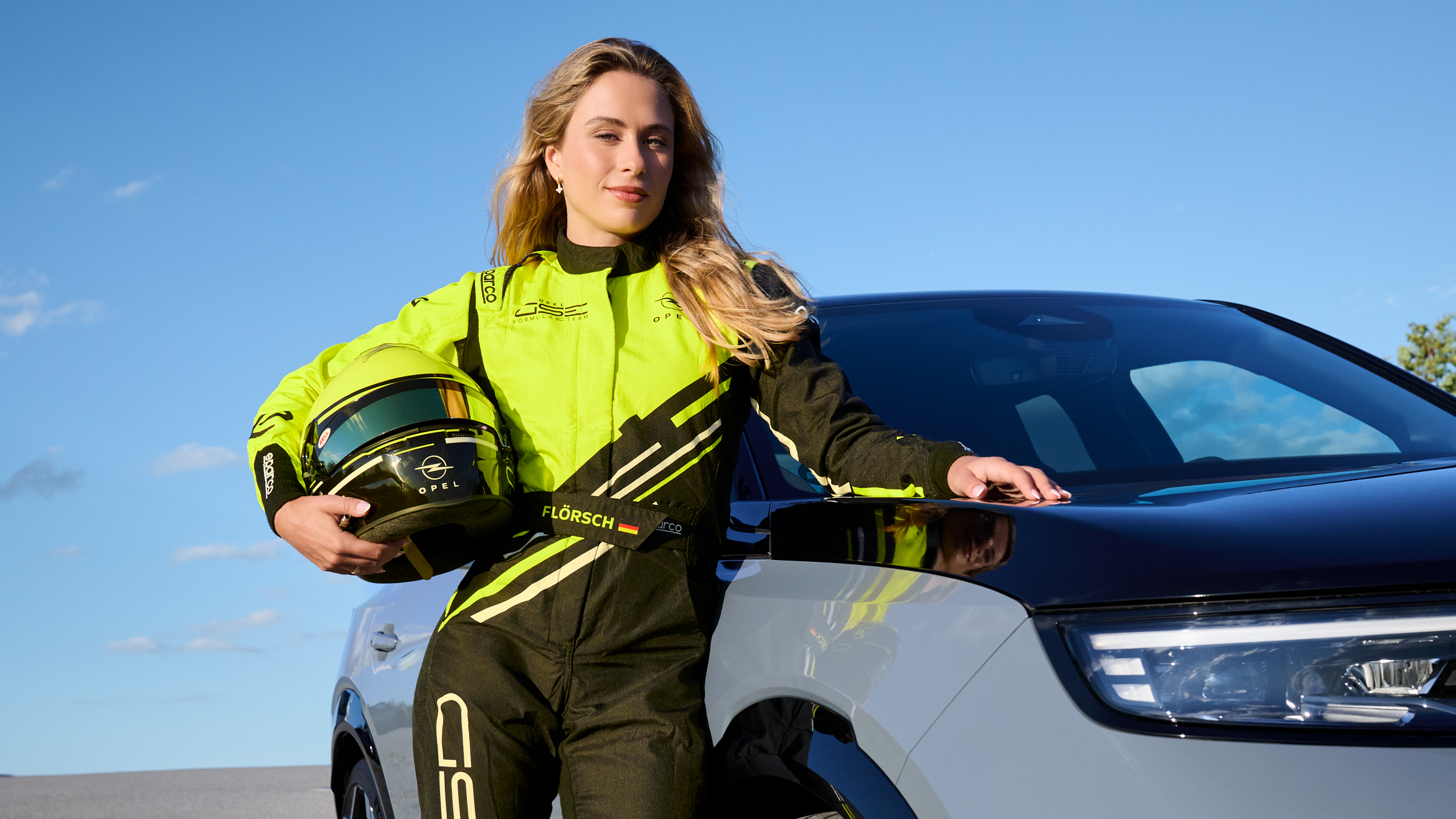
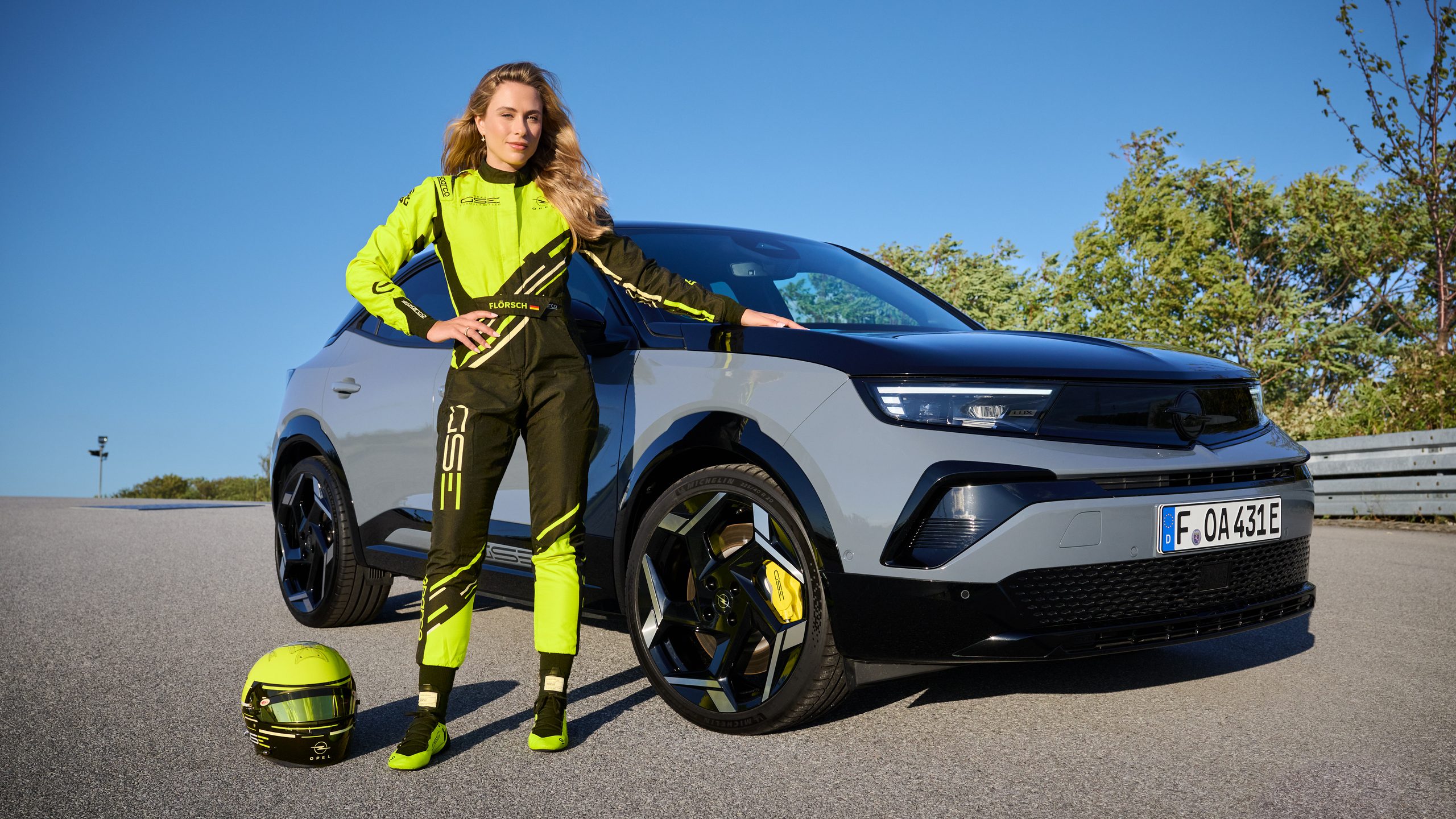
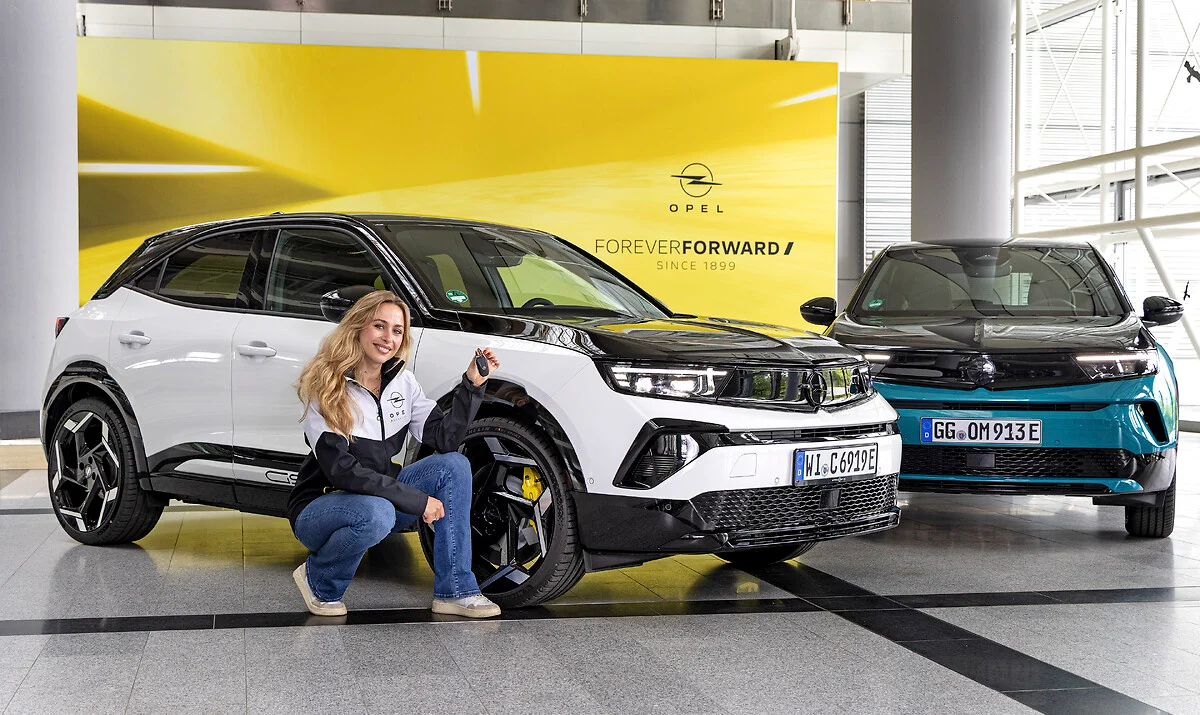
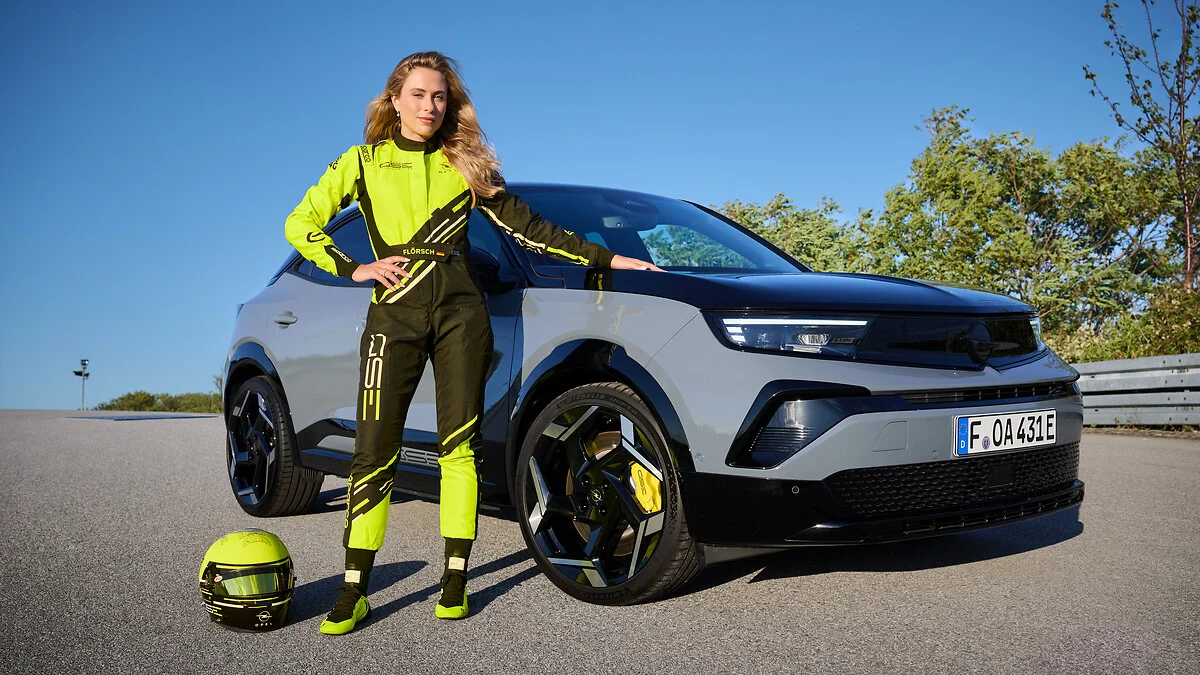
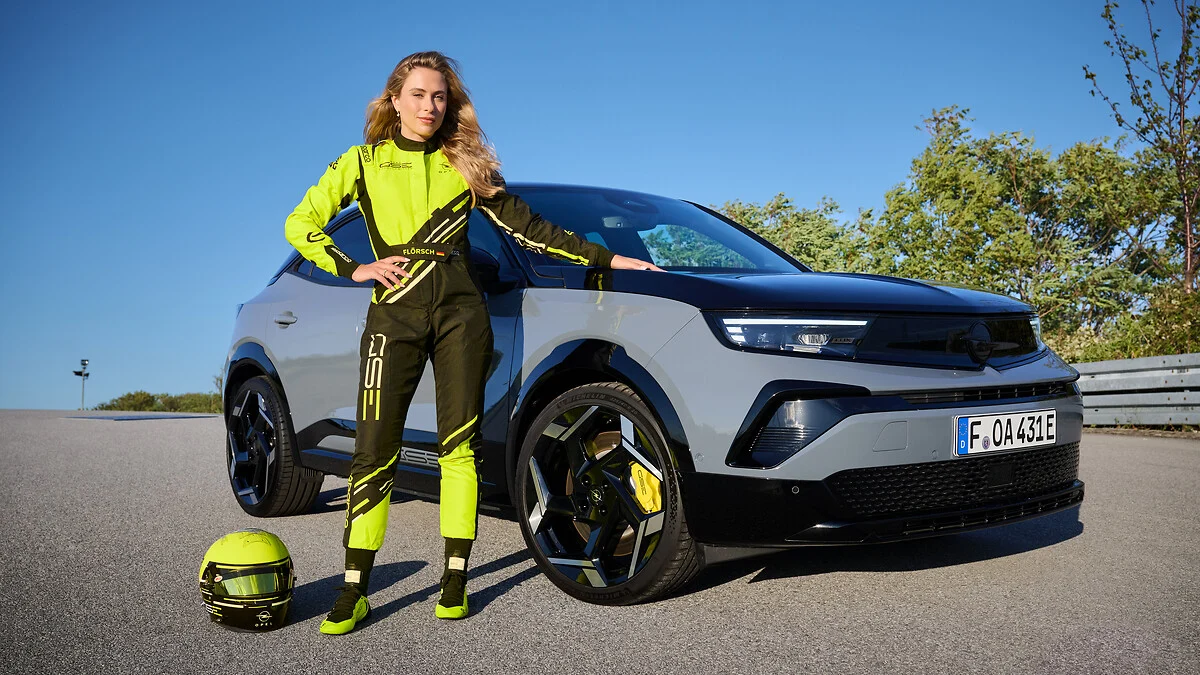
That connection is now at the center of Opel’s latest campaign with racing driver Sophia Flörsch, who has driven the Mokka GSE Rally as well as Opel’s new Formula E machinery. Opel’s marketing department naturally describes the production car as bringing rally feeling to public roads, which is the sort of claim manufacturers love making.
At least there’s some actual engineering behind it here.
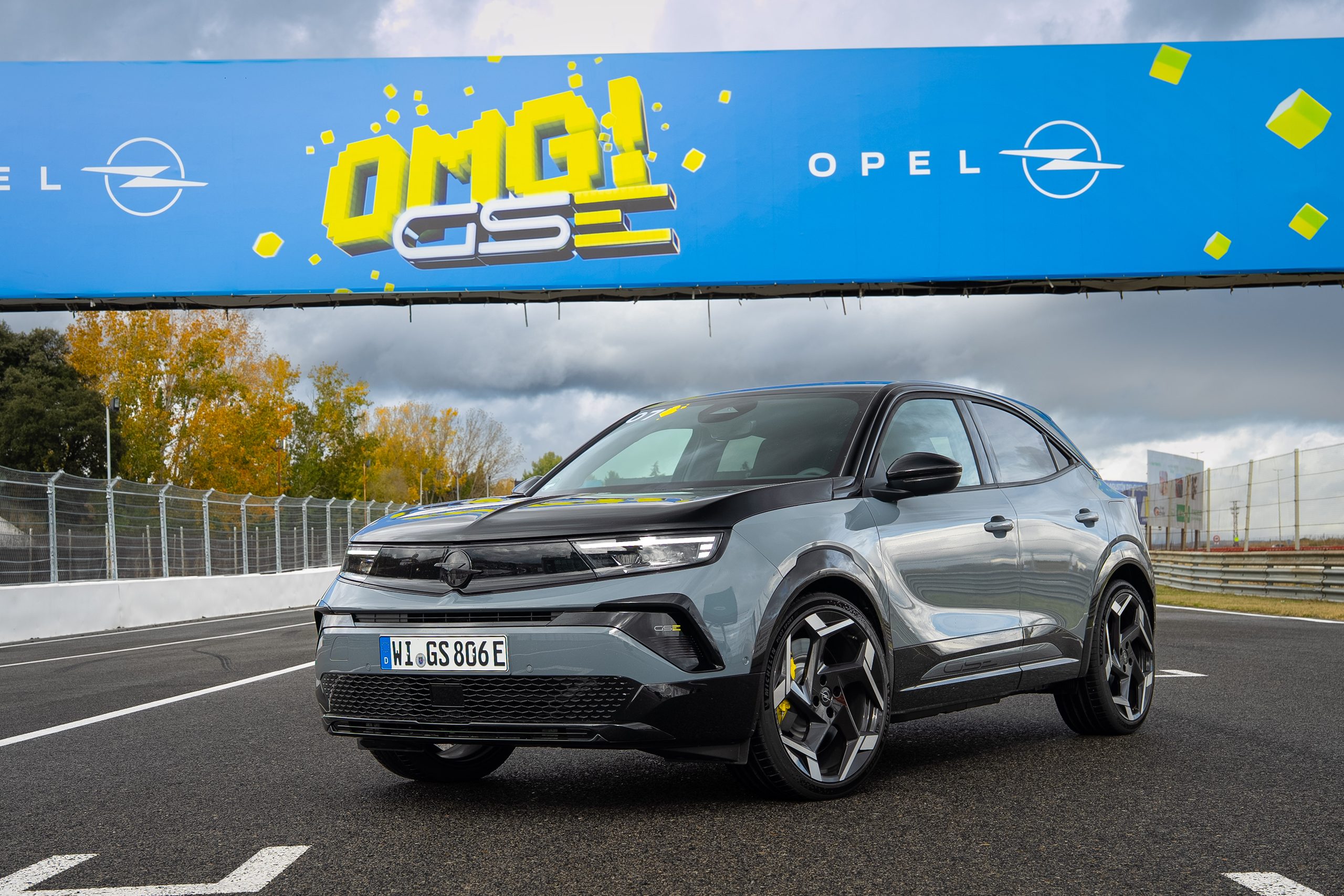
The Mokka GSE uses 20-inch aerodynamic wheels with Michelin Pilot Sport EV tires measuring 225/40 R20. Exterior changes include GSE-specific front and rear sections inspired by the rally version, while yellow-and-black badges distinguish it from the much slower Mokkas you’re likely to encounter outside a supermarket.
The cabin gets its own treatment too. Performance seats are joined by displays showing information that probably isn’t essential on the school run: G-forces, acceleration data and battery-performance information are all available to the driver.
Whether a small electric crossover genuinely needs a G-force display is open to debate. Having one is considerably more entertaining than another menu showing average efficiency.
What makes the Mokka GSE unusual is where Opel has positioned it. This isn’t a 500-hp electric SUV designed to win a specification-sheet argument. At 281 hp, it’s quick without wandering into the increasingly absurd power figures appearing in larger electric performance cars.
And because it is front-wheel drive rather than simply throwing another electric motor at the rear axle, Opel has had to work on the chassis to make the performance useful.
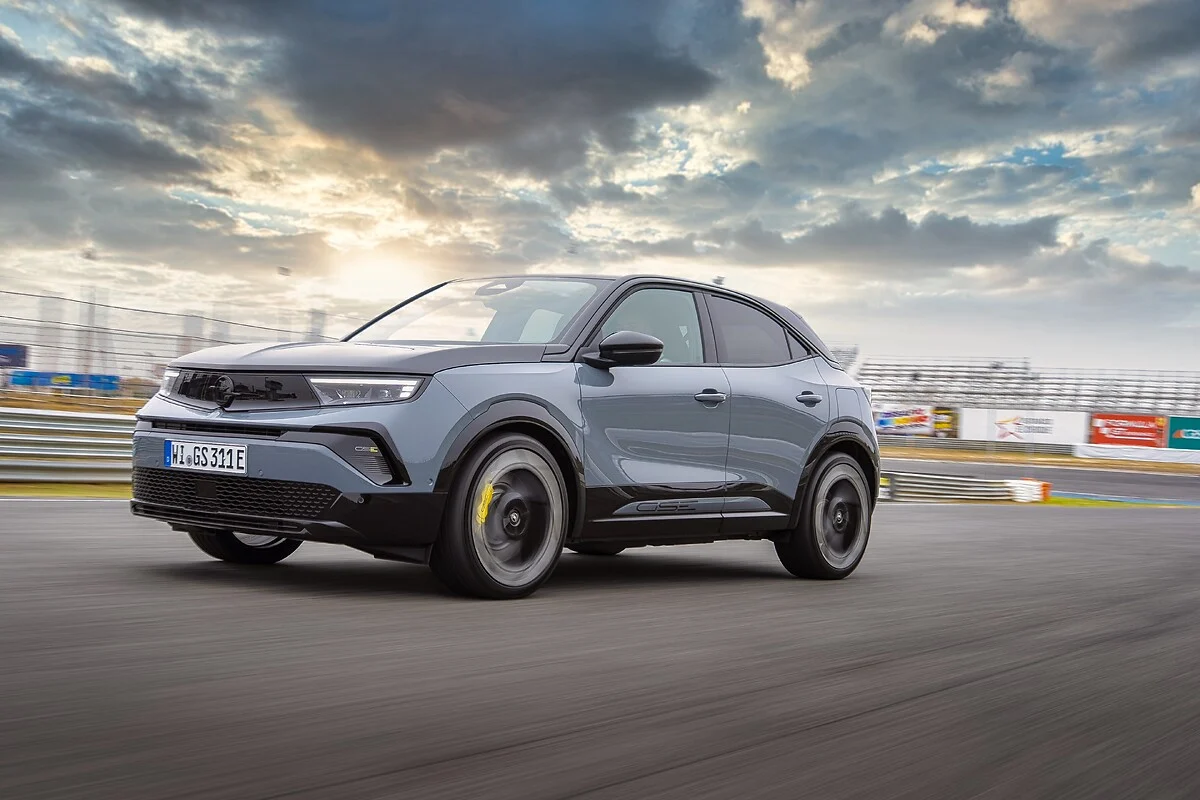
There are obvious compromises. Energy consumption is rated at 18.5 kWh/100 km, and those 20-inch wheels aren’t there to maximize efficiency. Anyone interested only in getting the most kilometers from a charge has better choices within the electric-car market.
But that’s not really the customer Opel is chasing.
GSE now means Grand Sport Electric, and the company needs the badge to represent something beyond an equipment package if it’s going to have any credibility.
Borrowing parts and development ideas from an actual rally car is a pretty decent place to start.