Porsche is celebrating its 75th anniversary with a short film built around a deliberately provocative idea: “For over 75 years we’ve done everything wrong,” though the story it tells is really about doing things differently and sticking with them.
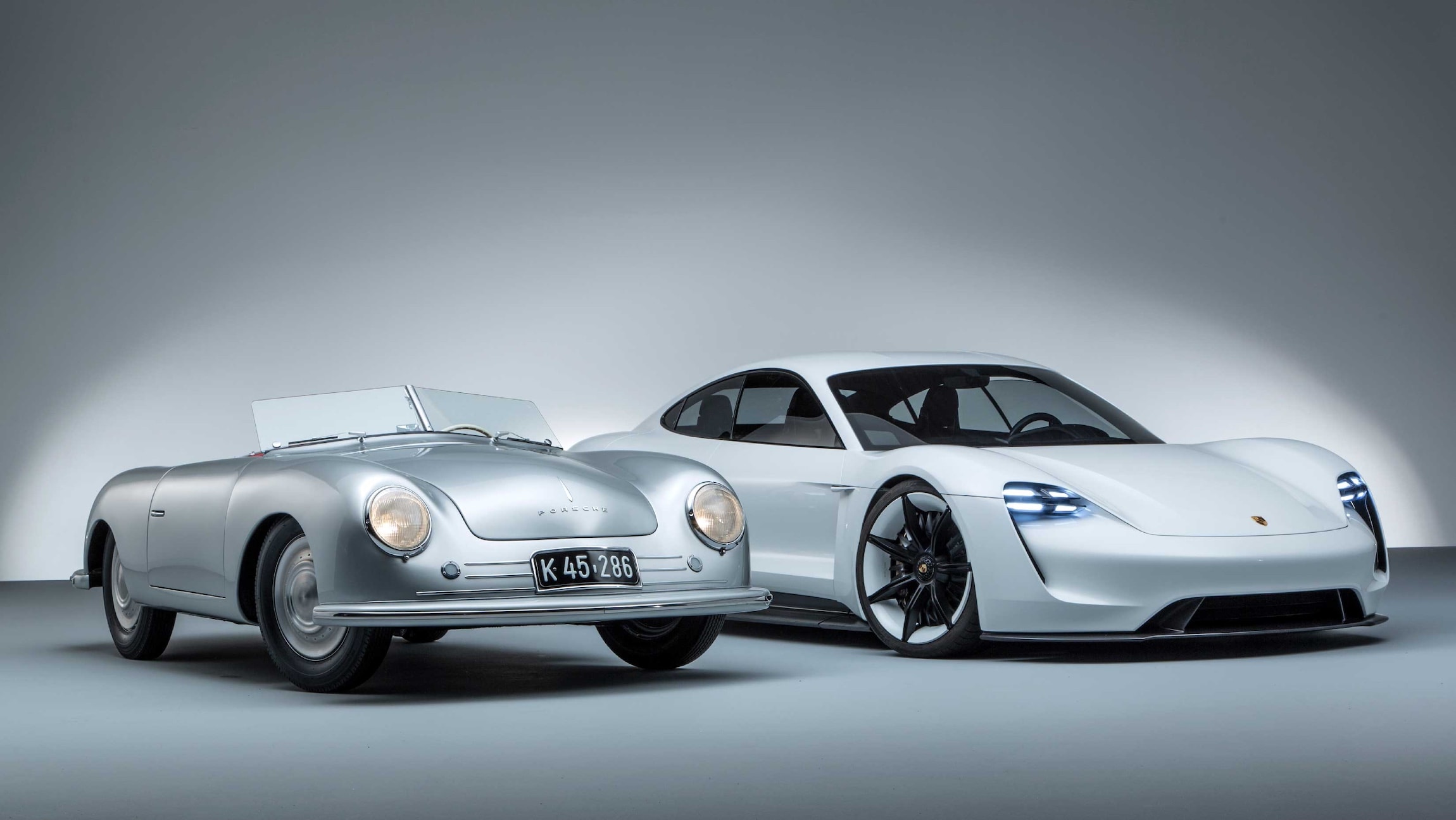
The company’s origins go back to 1931, when Ferdinand Porsche founded the firm in Stuttgart as an engine development and consulting office. The first production car would not arrive until 1948, when the 356 appeared. That model, developed in Gmund, Austria, turned Ferry Porsche’s ambition to build something entirely new into reality. A year later, the company returned to Stuttgart-Zuffenhausen, and in March 1950, series production of the 356 began at Karosseriewerk Reutter, marking the point where Porsche stopped being merely a consultancy and became a maker of high-performance automobiles.
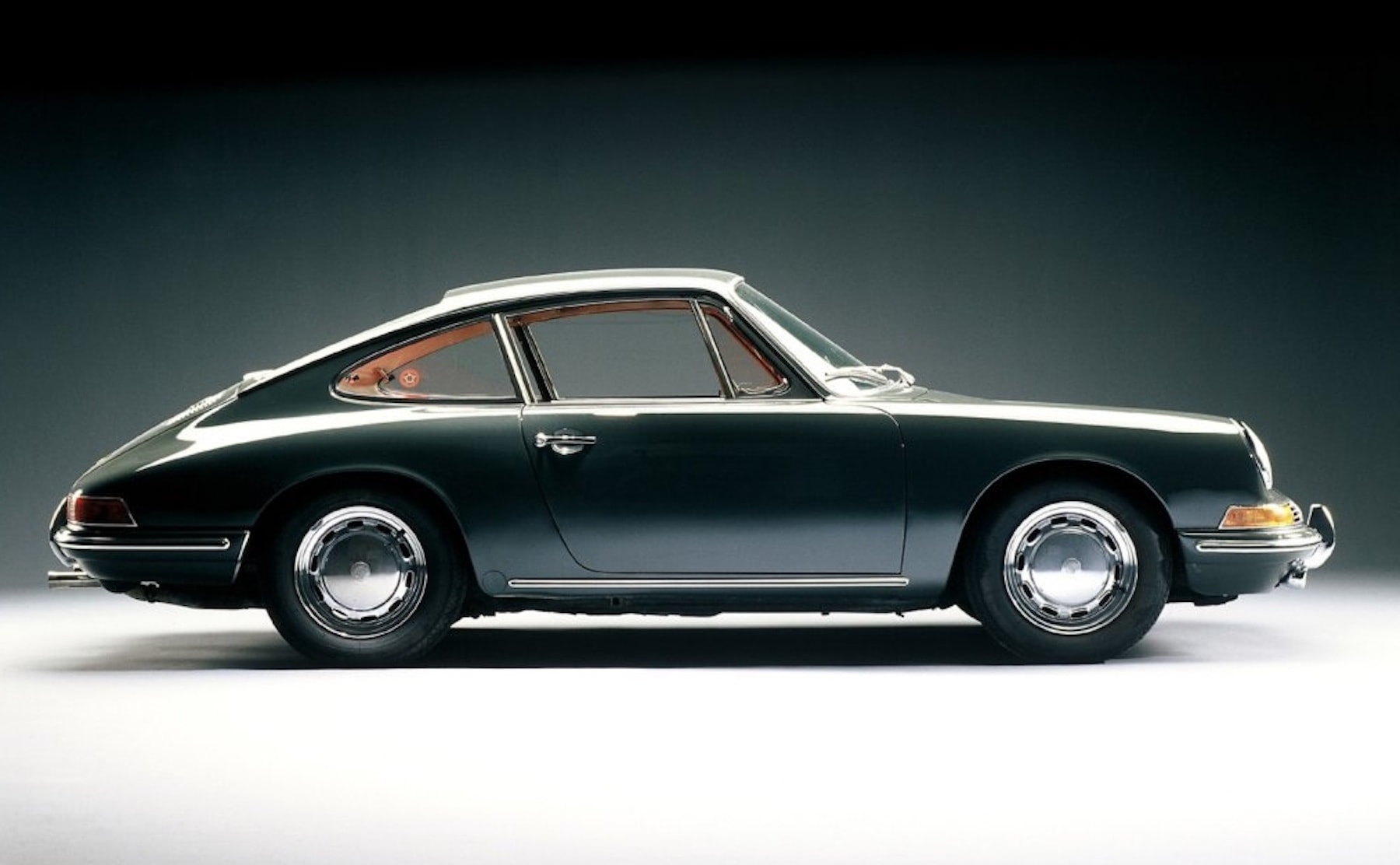
The anniversary film strings together the brand’s biggest moments of defiance. It opens with, “They said an engine belongs in the front. We put it in the back,” a line meant to underline Porsche’s long attachment to rear-engine thinking. That layout, of course, existed before Porsche adopted it. The 1886 Benz Patent Motorwagen, built by Carl Benz, placed its engine behind the passenger seat, and the Volkswagen Type 1 Beetle developed by Ferdinand Porsche under Adolf Hitler’s direction also used a rear-mounted air-cooled flat-four.
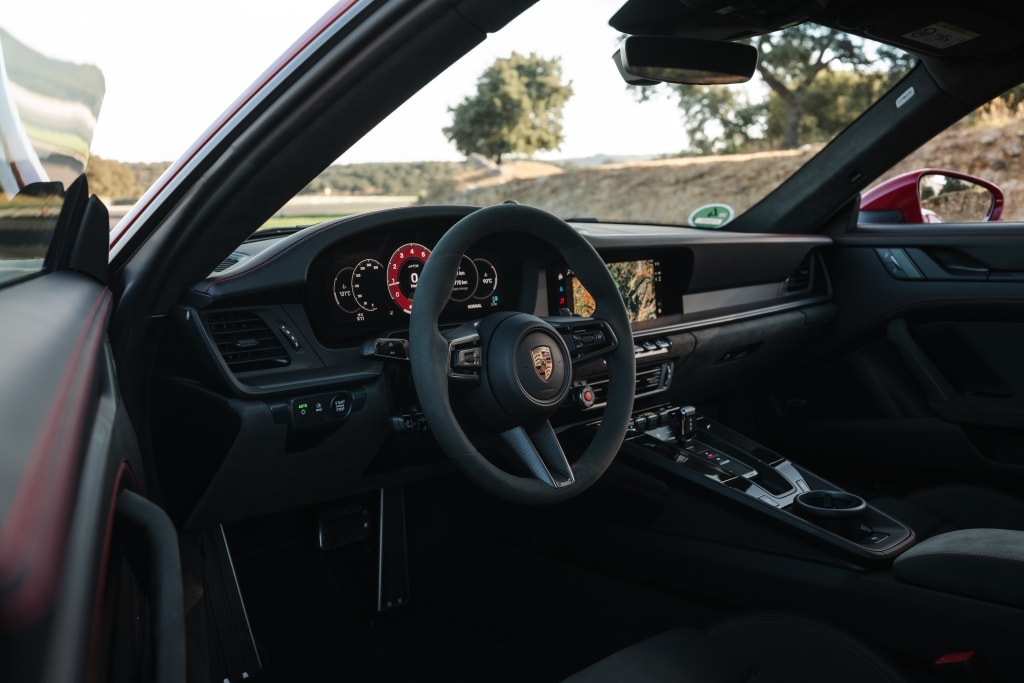
The same pattern follows elsewhere. “They said ignition’s on the right. We installed it on the left,” says the voiceover, touching on one of the firm’s longest-running cockpit habits, one associated with Porsche for more than seven decades.
Then comes the cooling debate. “They said we’d ruin everything if we gave up air-cooled engines. We replied that progress doesn’t ask for permission,” the film says. Porsche made that shift with the 911.996 in 1997, while the final air-cooled 911, the 993, remained in production until early 1998. The old setup struggled with environmental rules and thermal demands, so water cooling became the answer for emissions, noise, and performance.
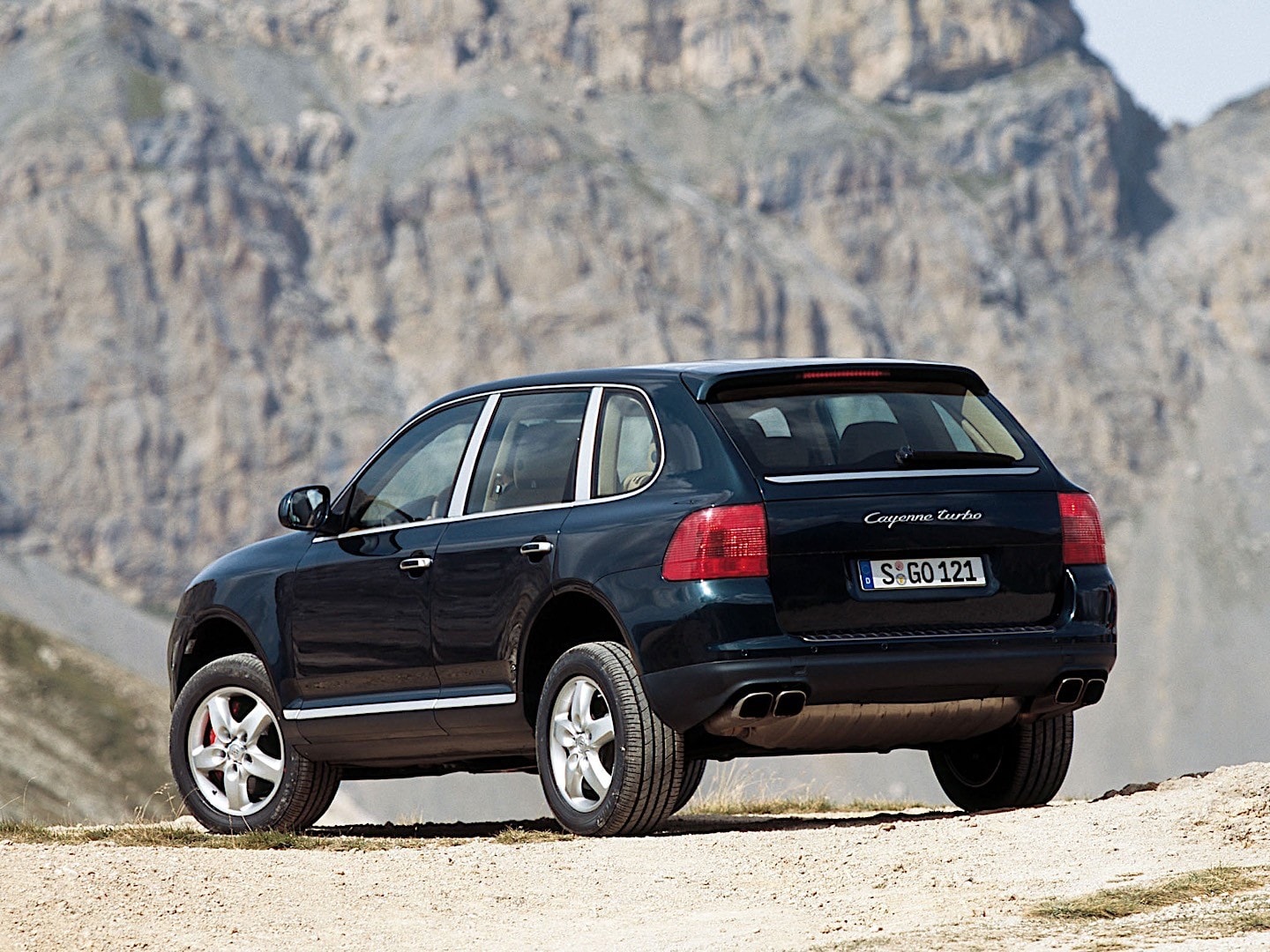
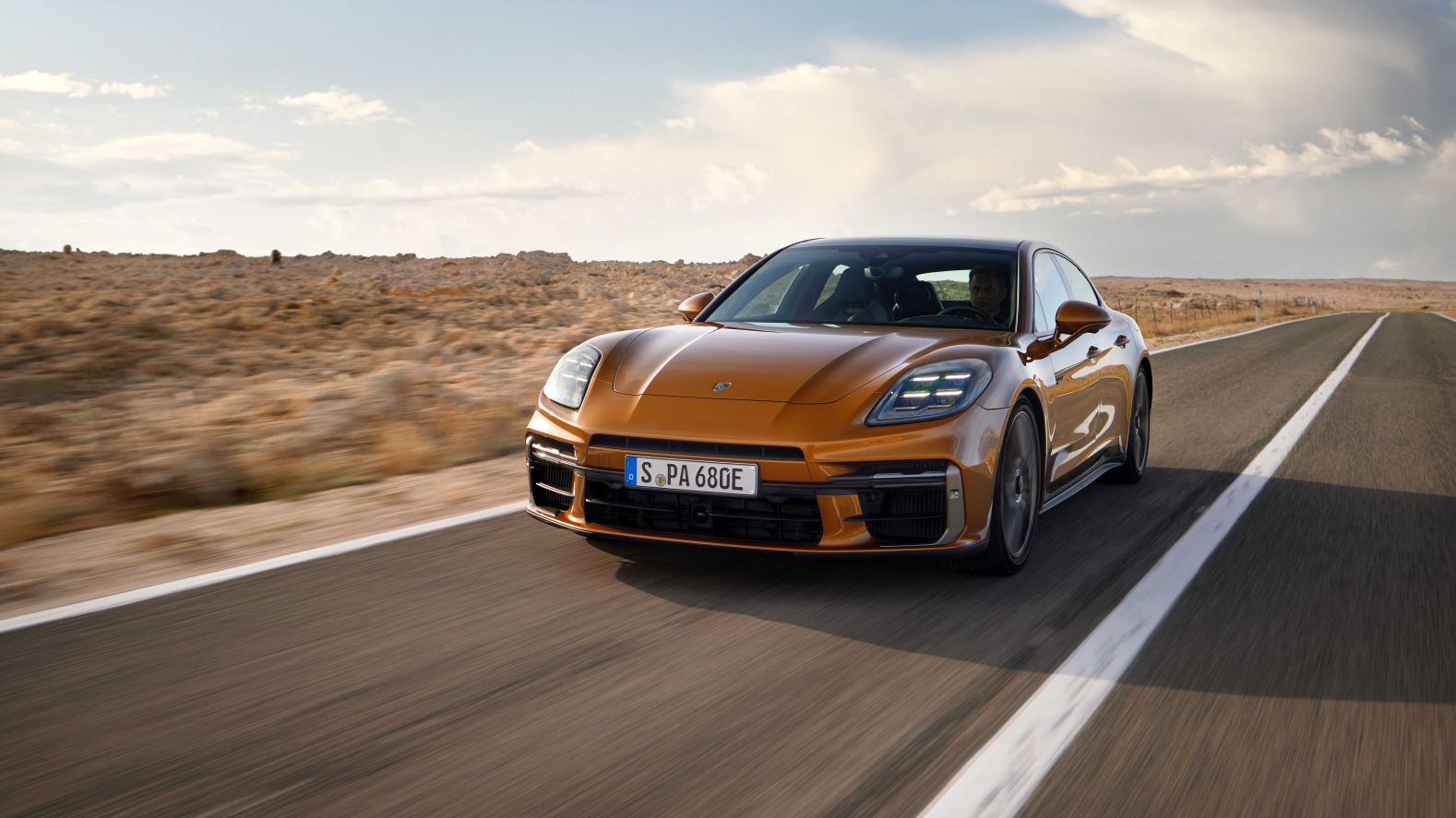
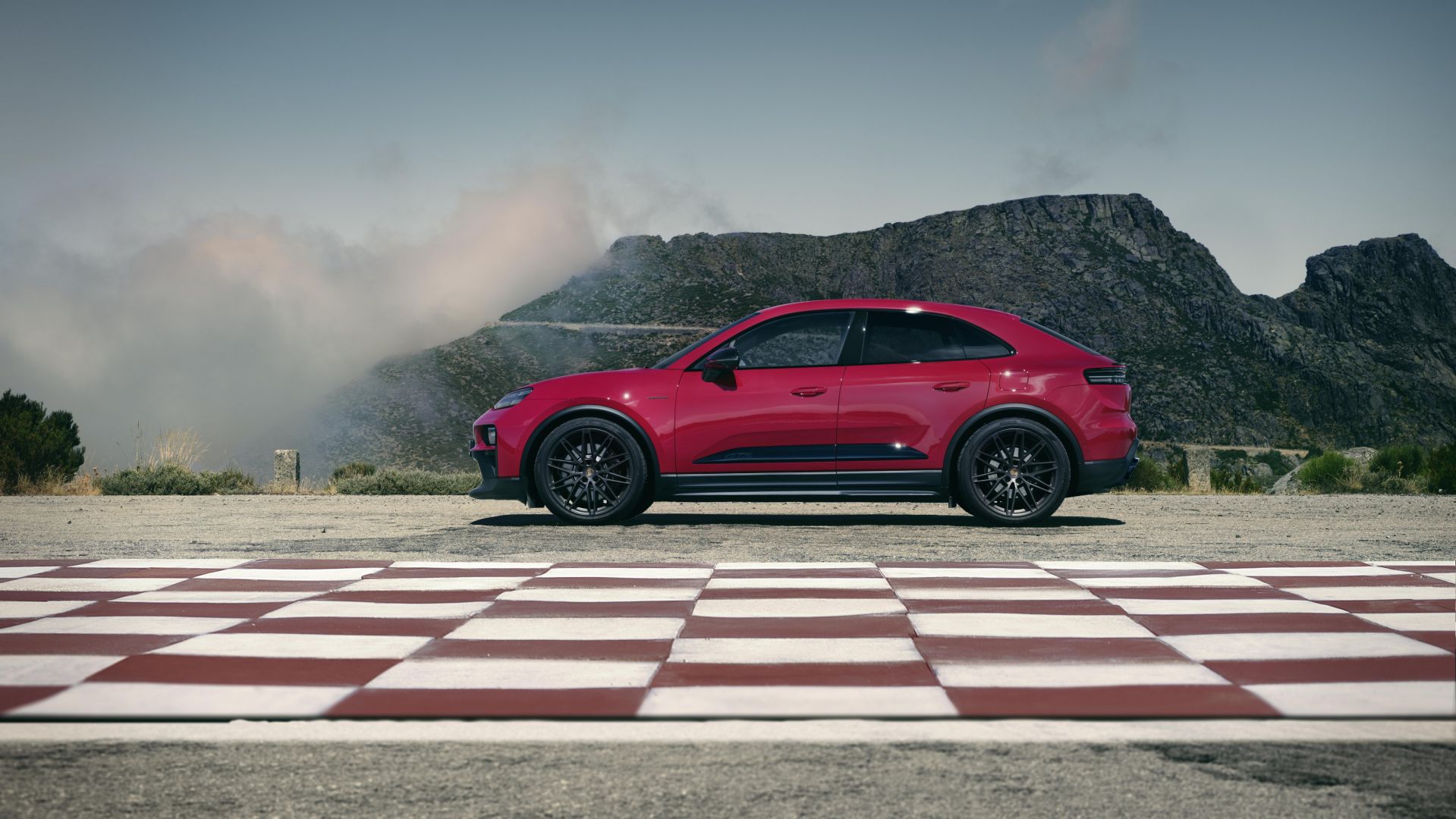
Porsche also defends its four-door and SUV years. “They said a real Porsche has no more than two doors. We built four-door models. And made them fatter than most two-door ones,” the short film recalls. The Cayenne arrived in 2002 and entered production later that year as the company’s first SUV. The Panamera followed in 2009, while the Macan joined in 2014. Despite early resistance, Porsche’s SUVs became its bestsellers.
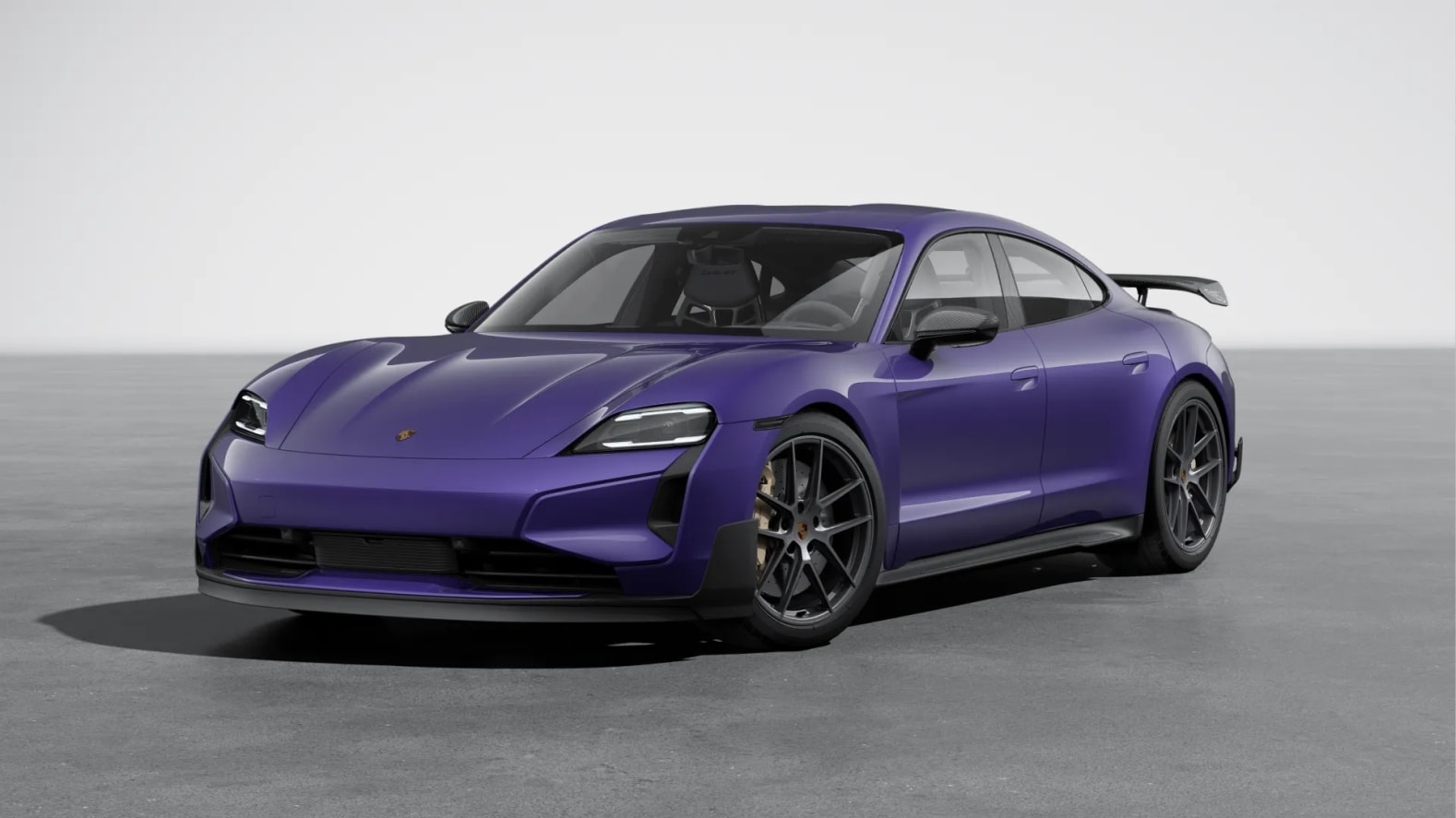
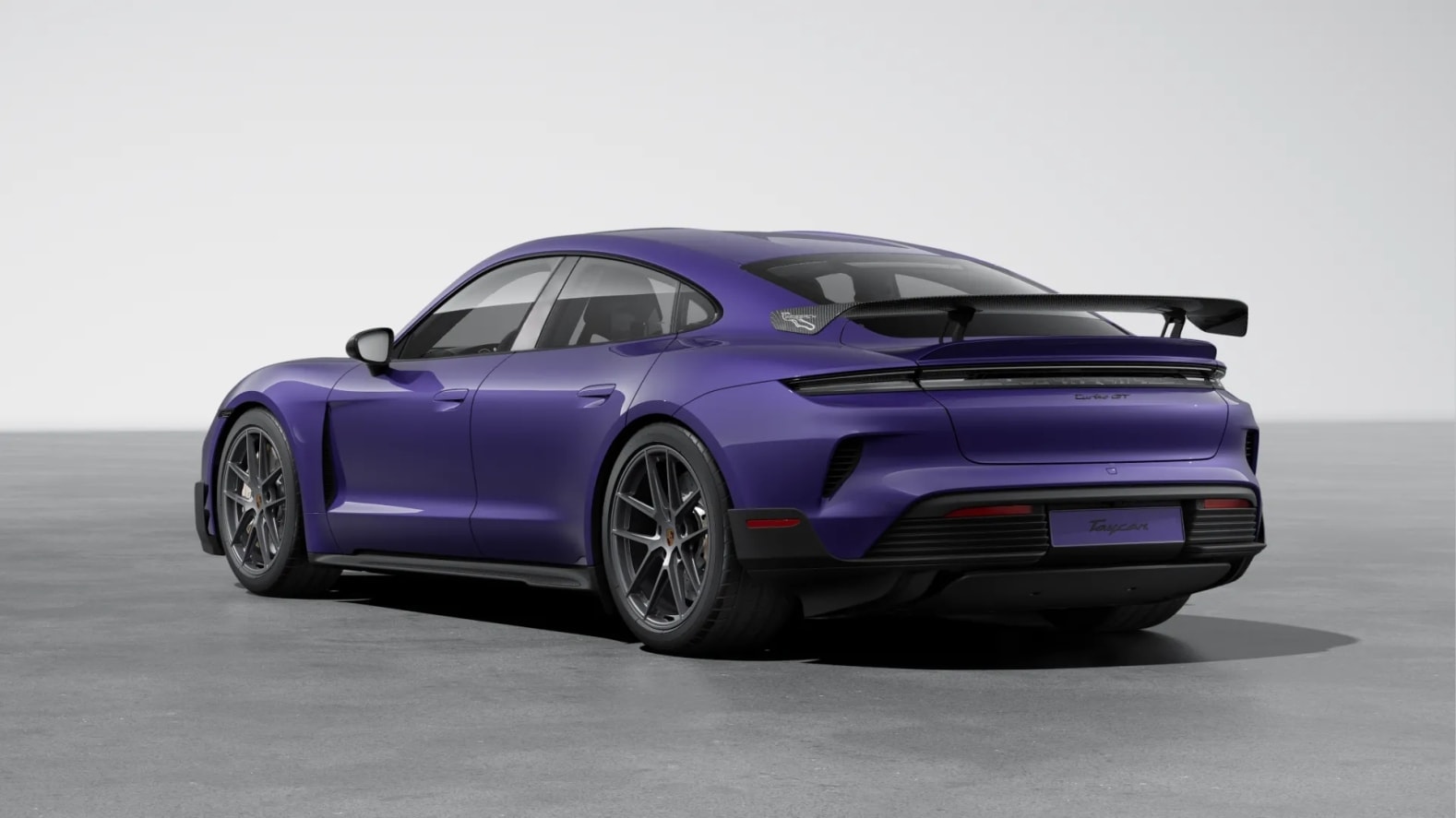
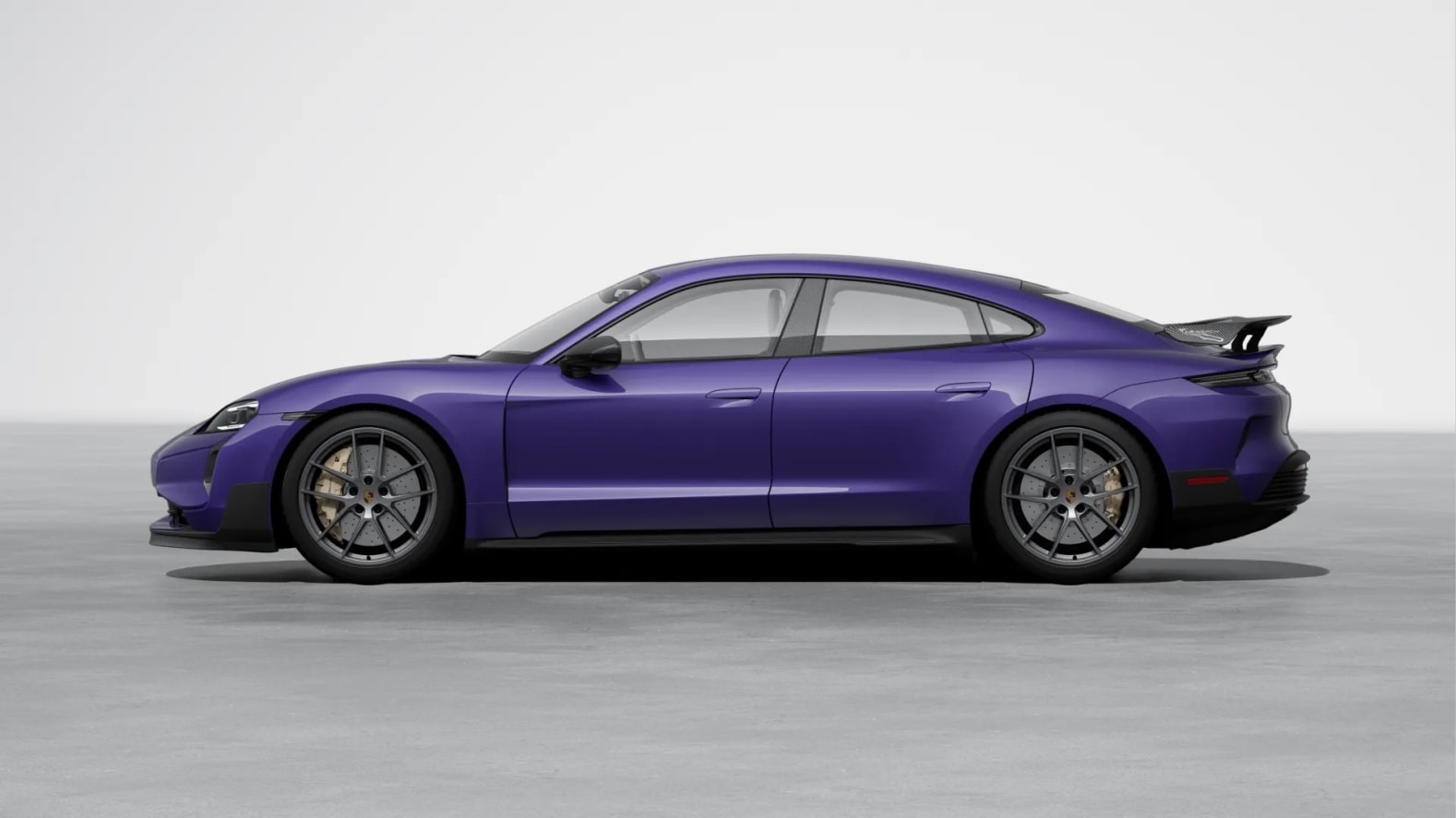
Electrification is folded into the same narrative. “They said a sports car can never be electric. We developed the Taycan.” In Turbo GT Weissach form, it produces 1,092 horsepower, or 1,108 metric horsepower, and 914 pound-feet, or 1,240 Newton meters, with overboost engaged. It reaches 60 mph in 1.89 seconds, tops out at 190 mph, and holds the Nurburgring record for the fastest electric production car with a 7:07.55 lap.
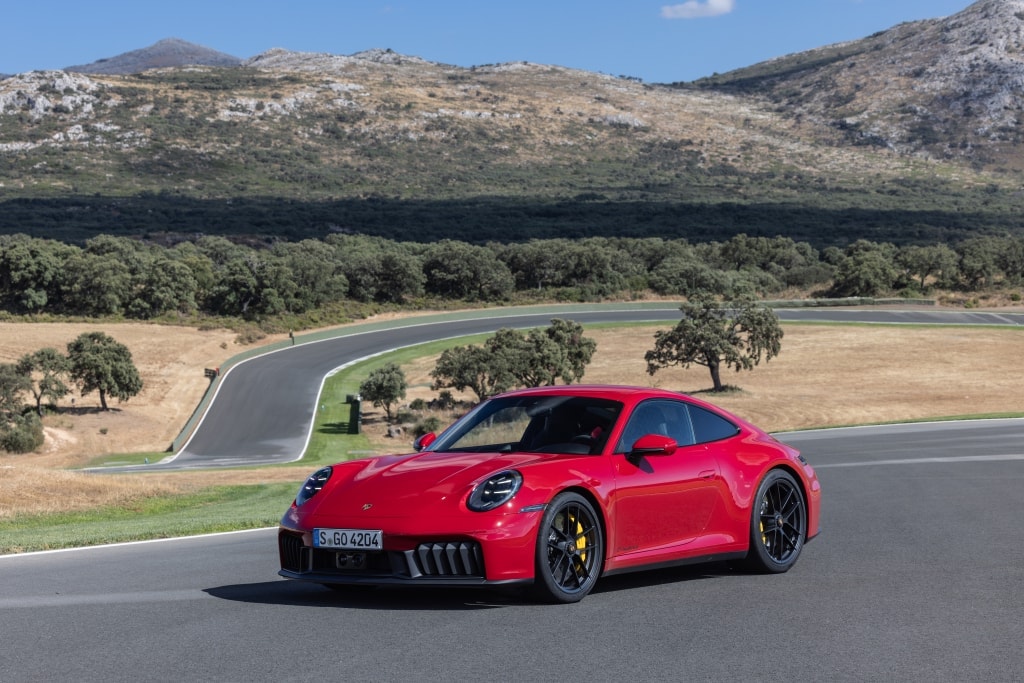
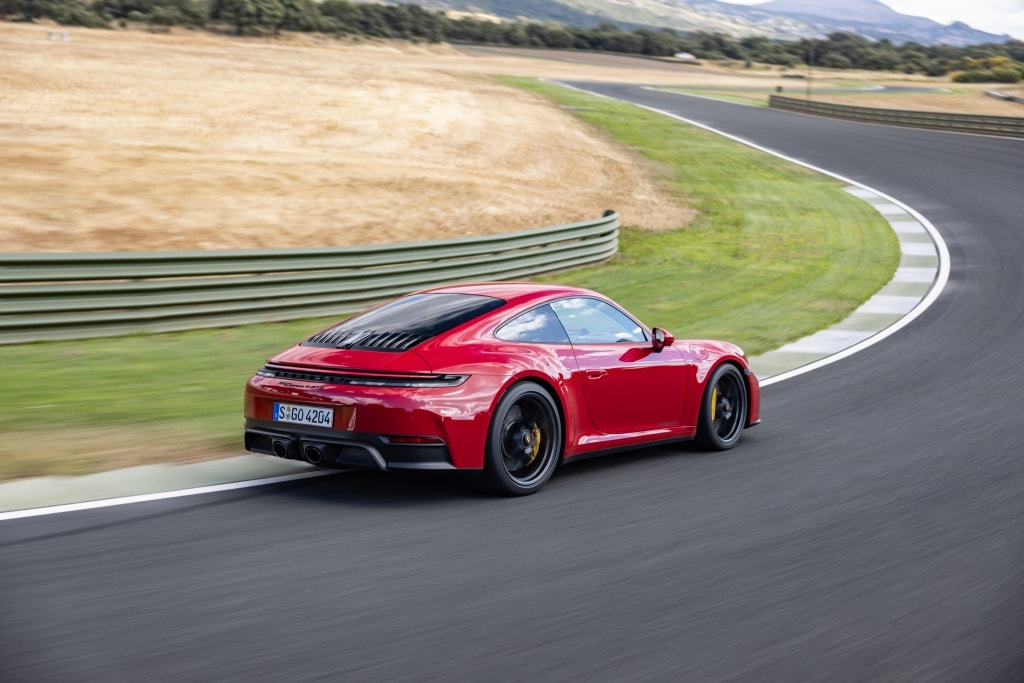
The film also says, “They said we couldn’t keep improving the 911. We’ve been doing exactly that for over 60 years,” a point reinforced by the latest 911 Carrera GTS, which combines a 3.6-liter flat-six with an electric turbocharger and an electric motor in the PDK gearbox.
It all closes with one final line: “They said we’re stubborn. That might be true. Because we’re too busy moving forward,” even as Porsche eases away from its earlier plan to become all-electric by 2030 and prepares to keep combustion-powered Panameras and Cayennes alive well into the 2030s.
Porsche Models – Photo Gallery