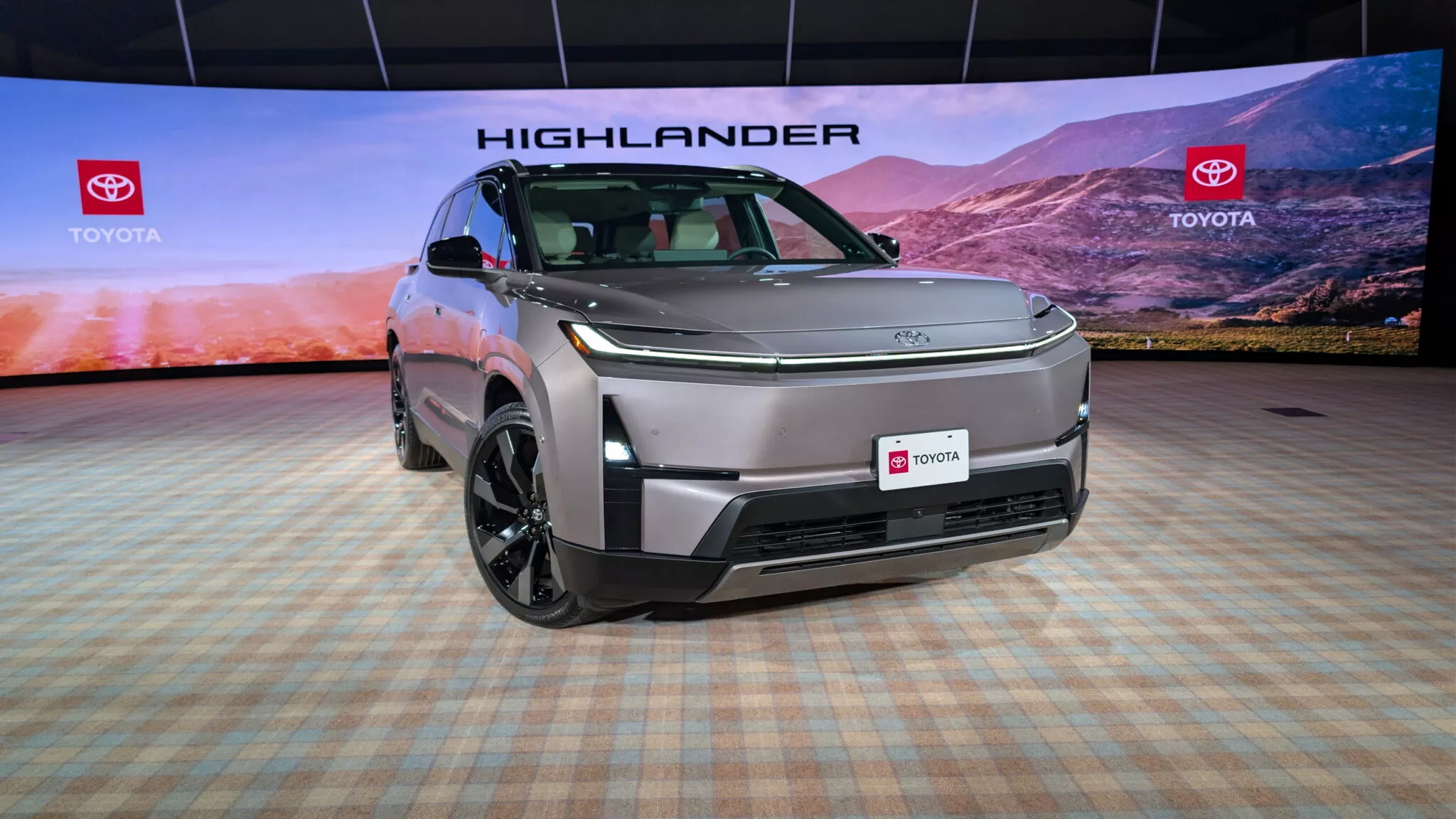
The Highlander has never really been dramatic. It just existed, sold well, did family things. For 2027, Toyota changes the formula completely. There’s no gas version anymore. Not even as an option. If you’re buying a Highlander now, it runs on electrons.
This new one rides on a different platform, and it’s aimed straight at the mid-sized market again, but the approach feels more ambitious. Sales are scheduled to begin later this year. Pricing? Still unknown. And no, nobody has driven it yet.
Exterior
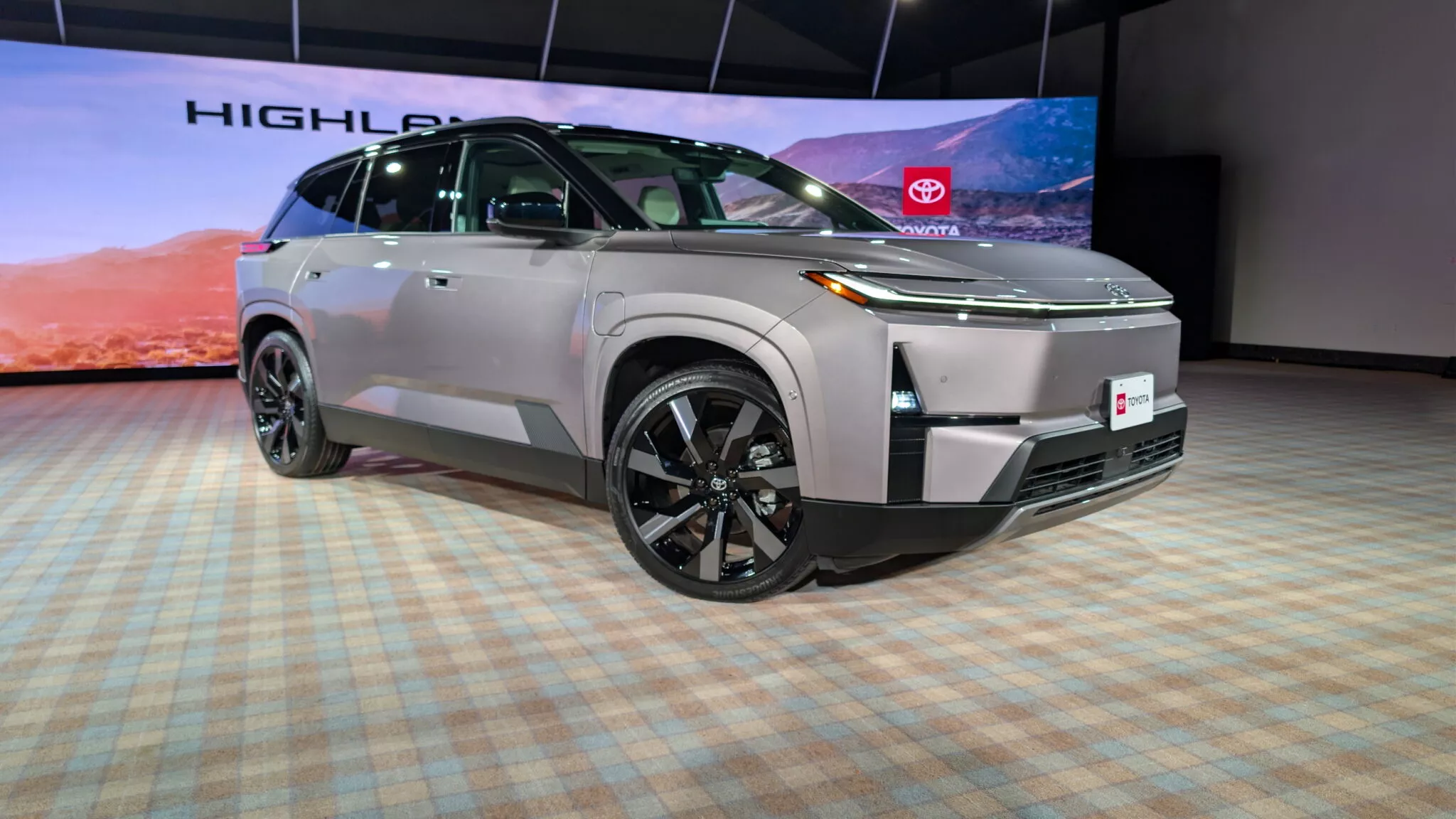
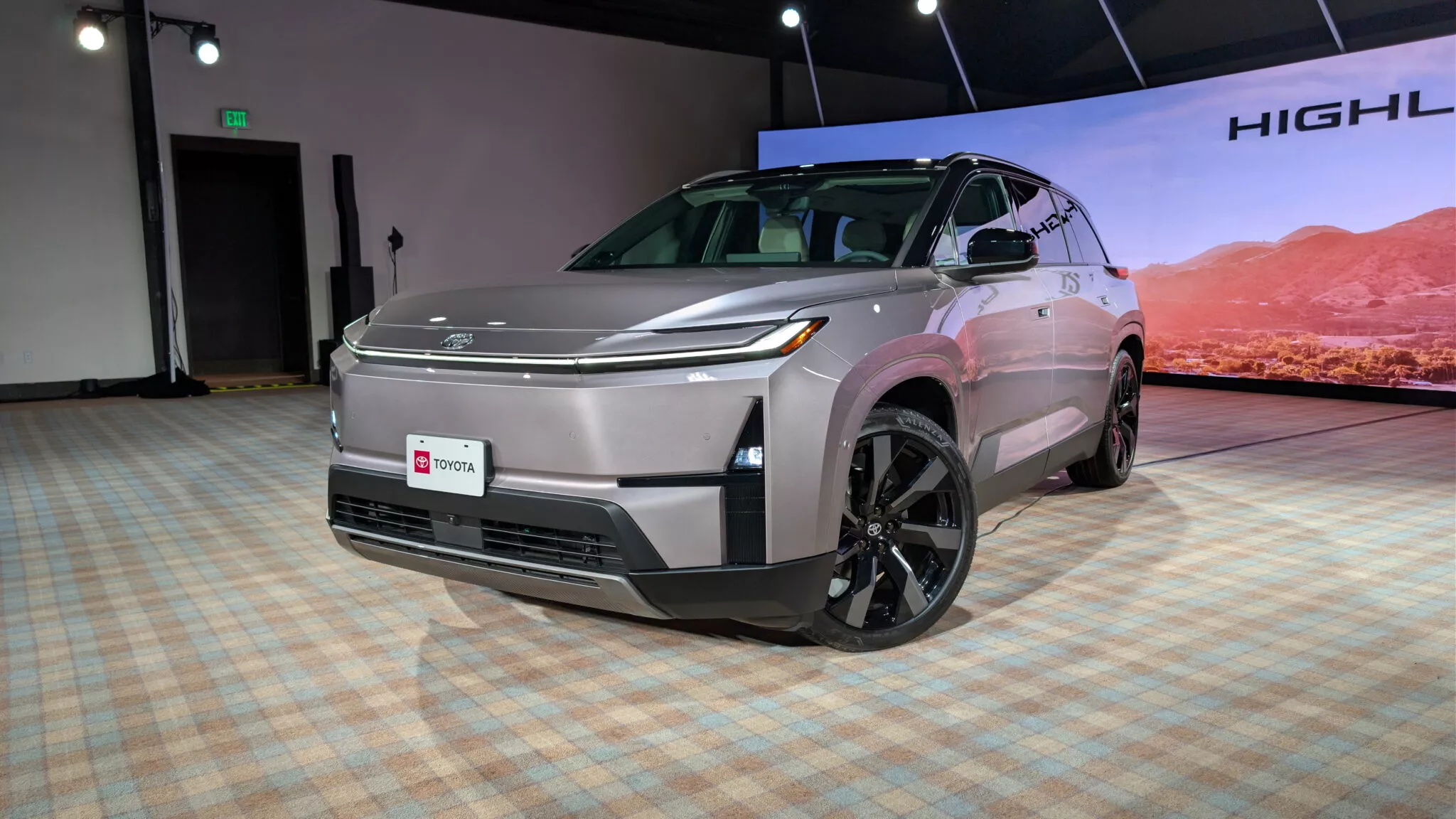
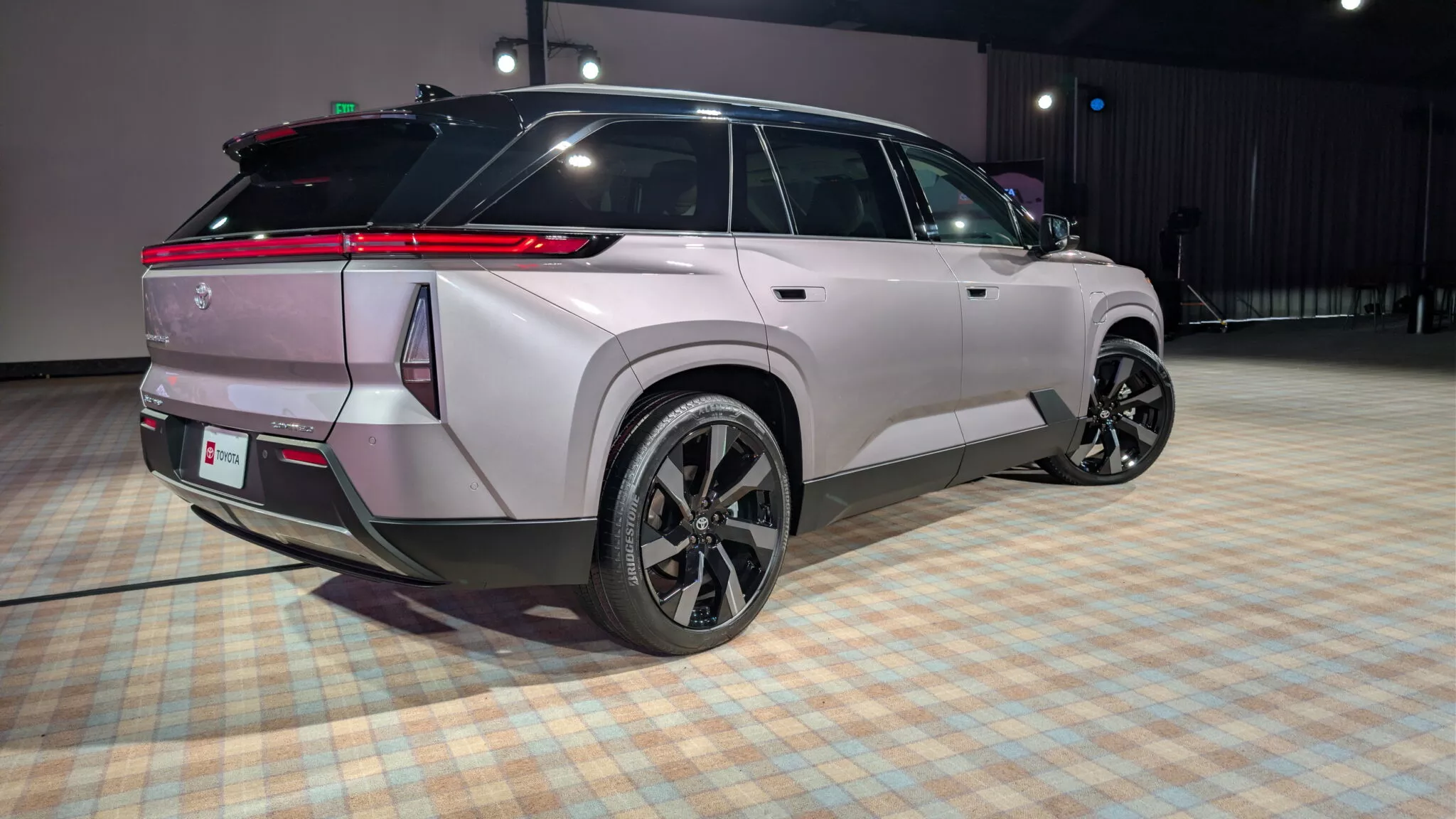
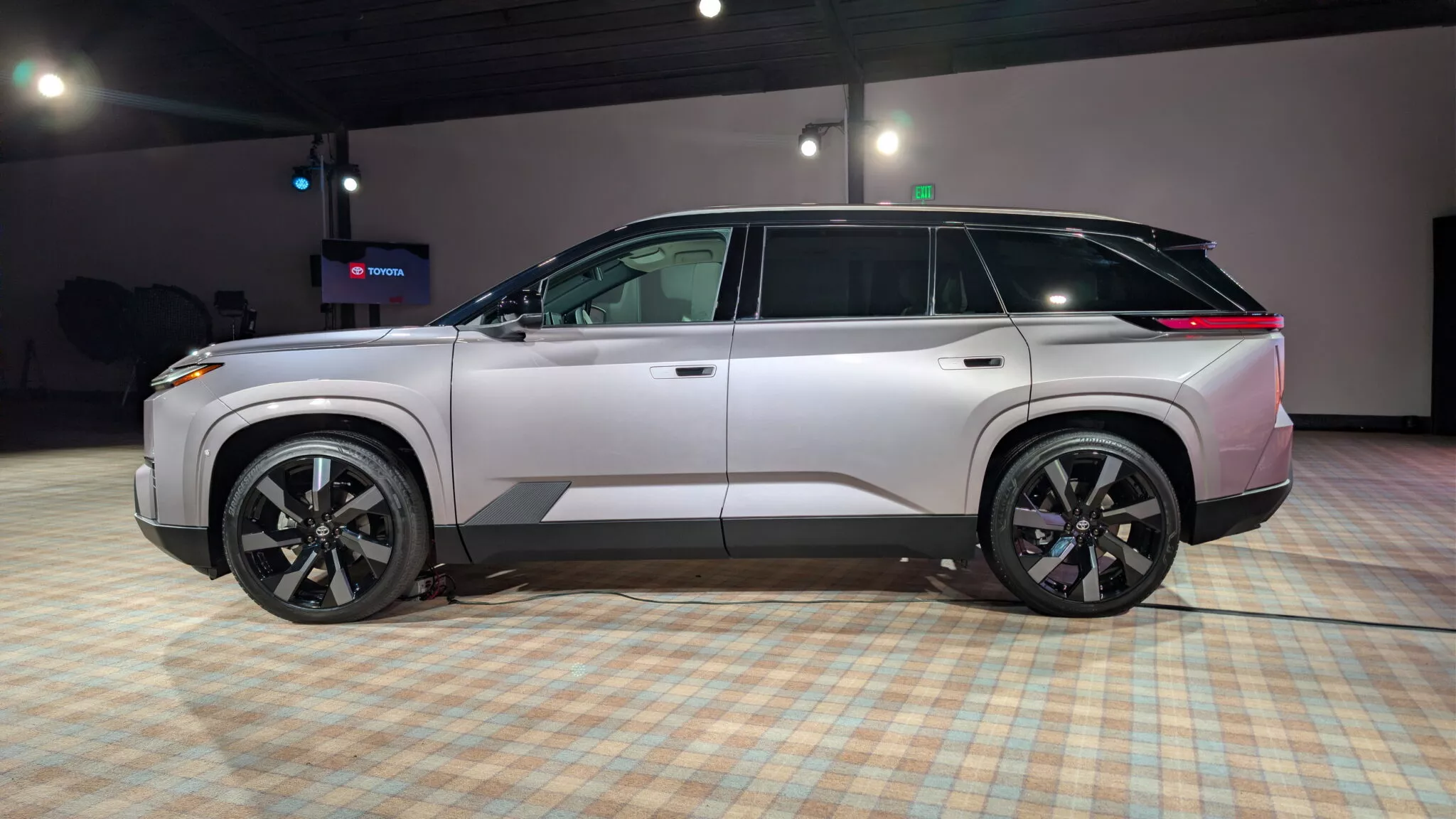
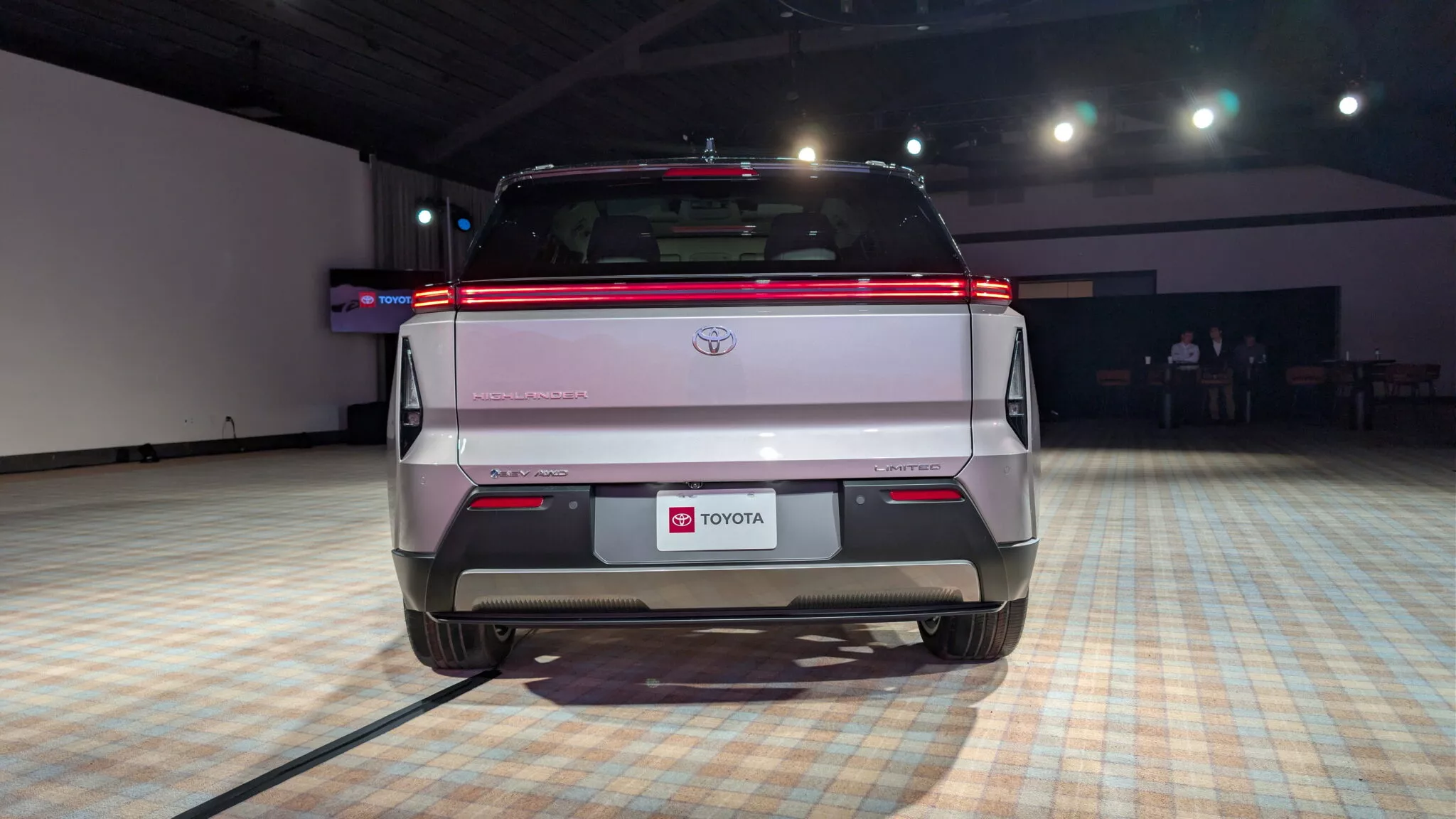
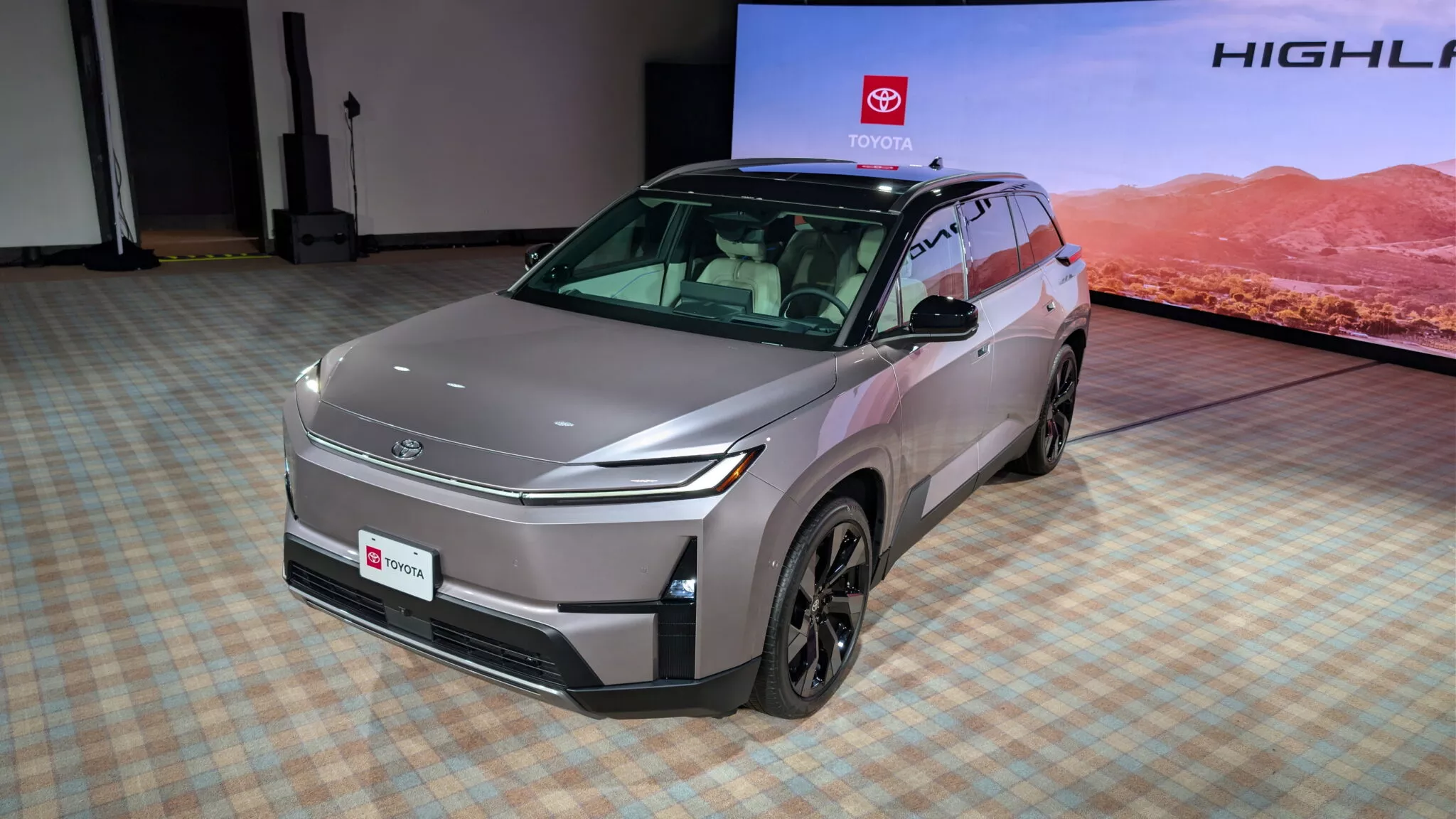
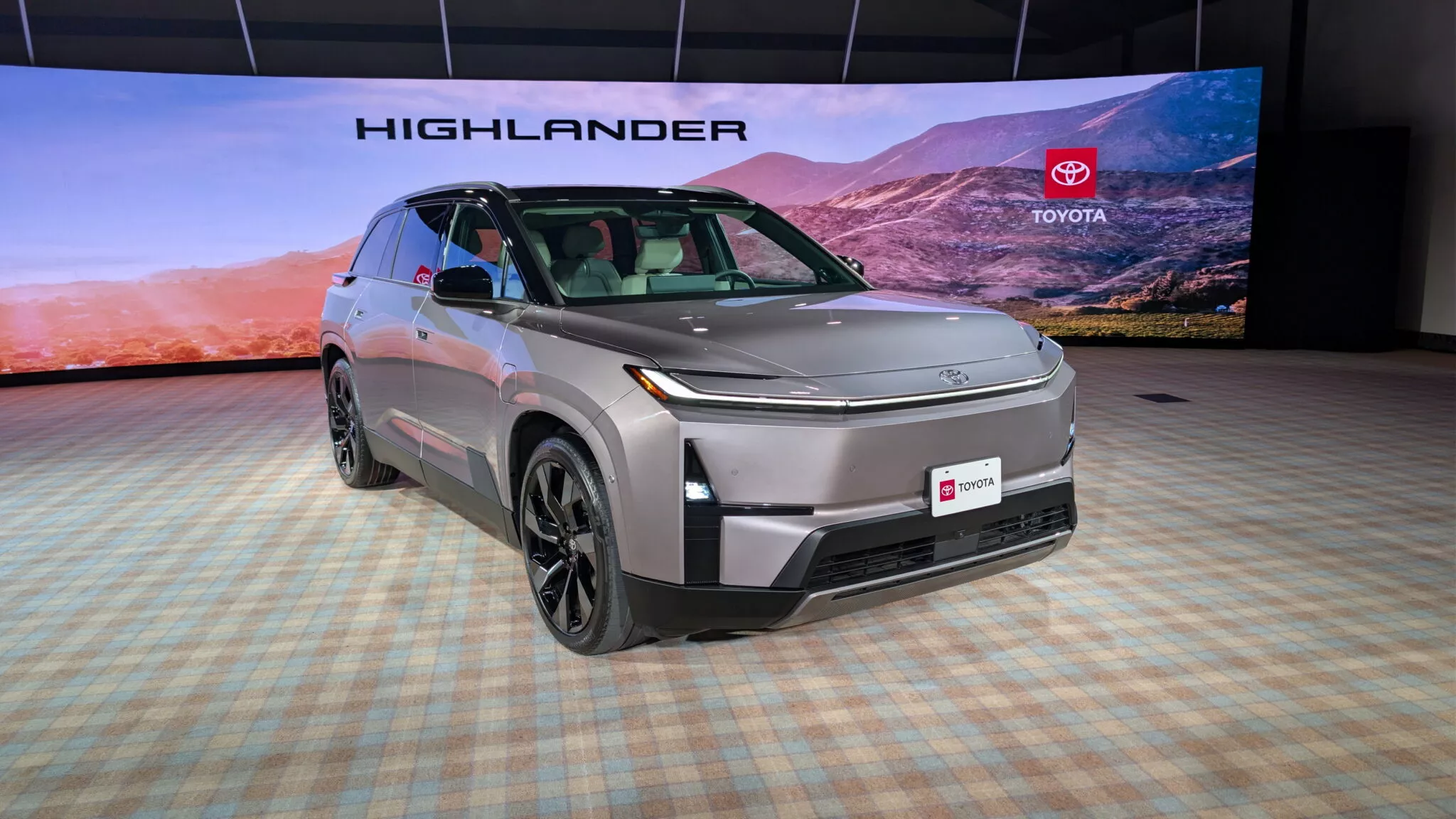
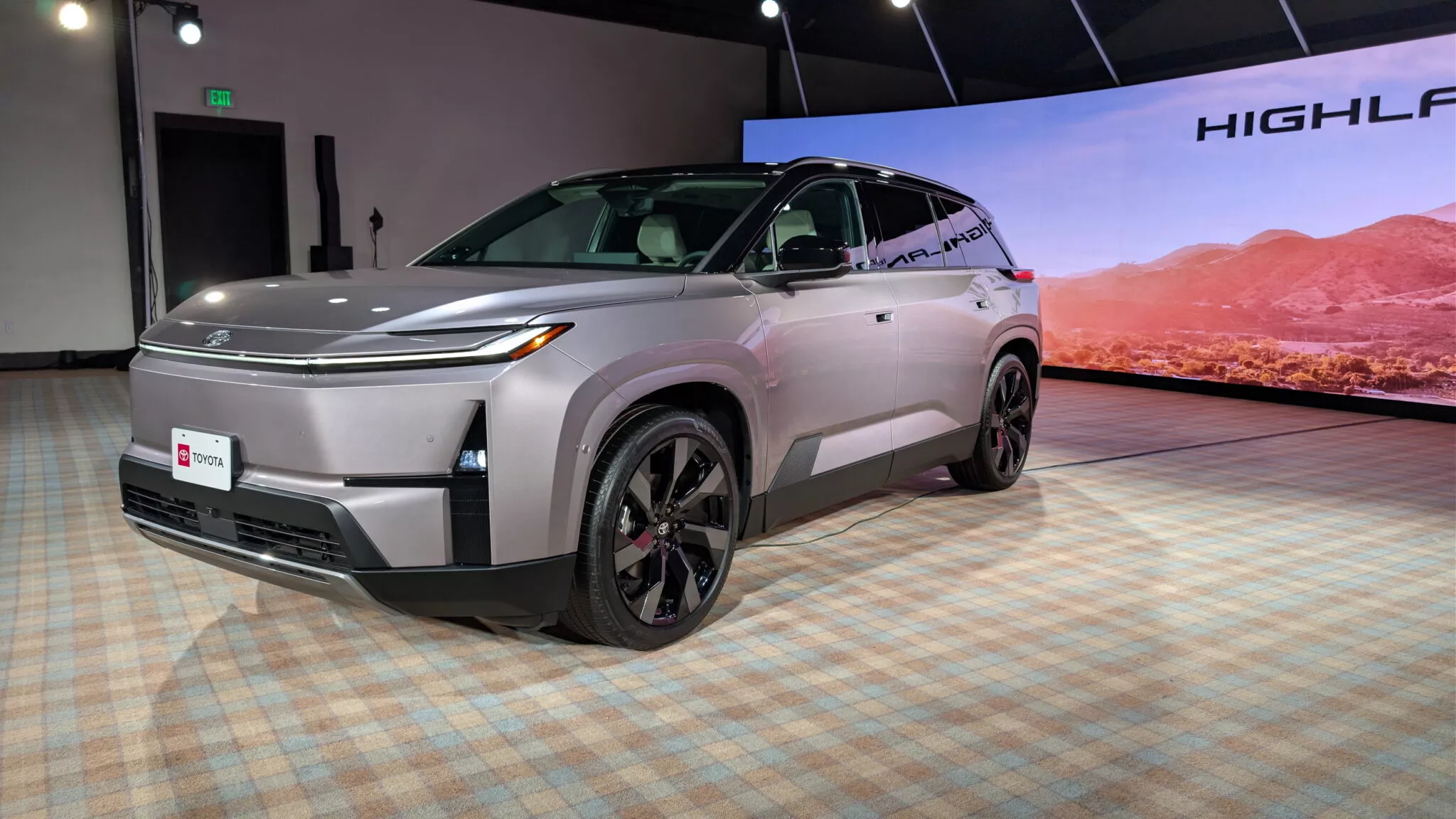
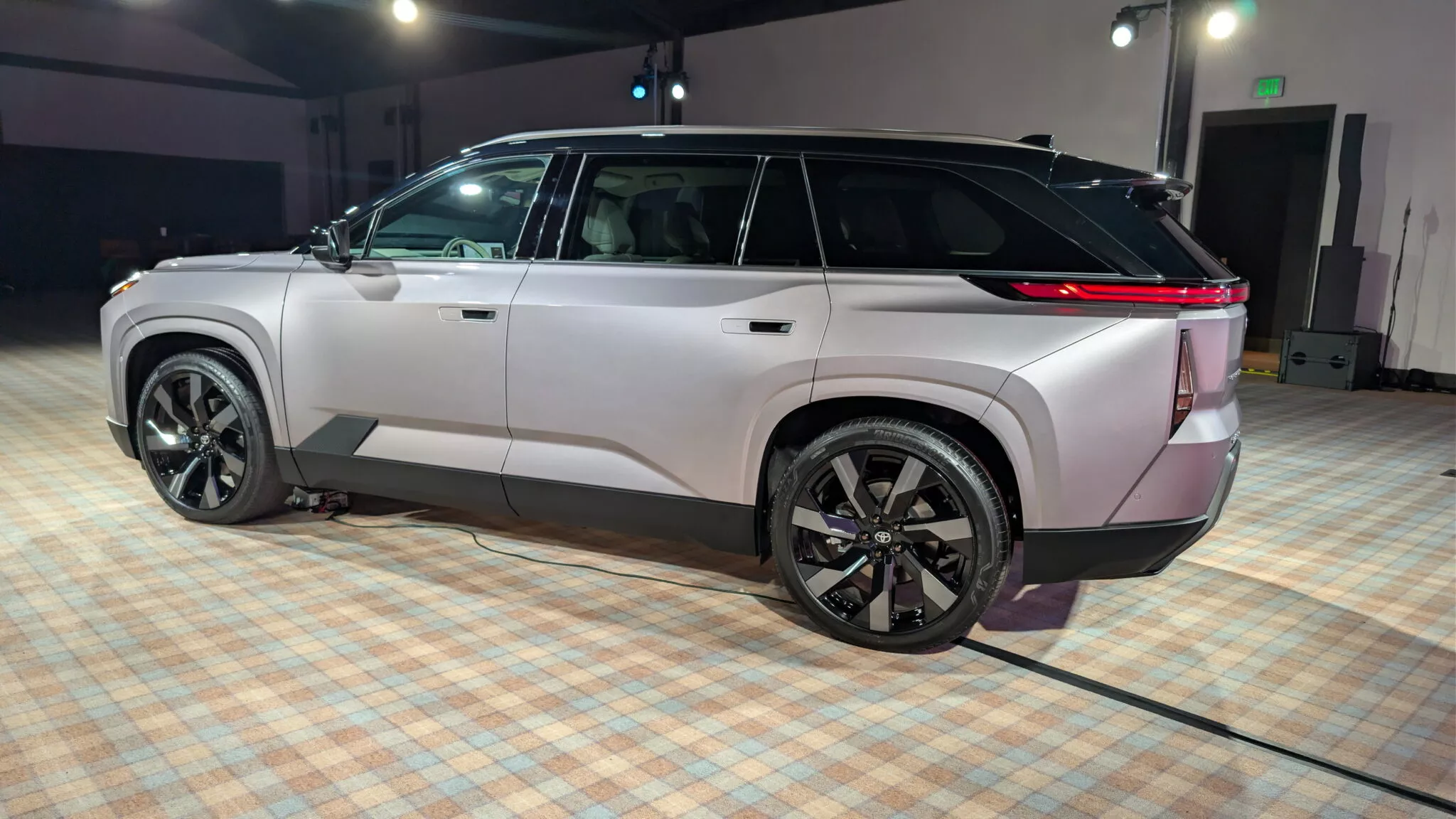
Dimensionally, it has grown significantly, now measuring 198.8 inches in length and 78.3 inches in width. On the other hand, height is slightly lowered to 67.3 inches, which is 0.8 inches lower than the previous model.
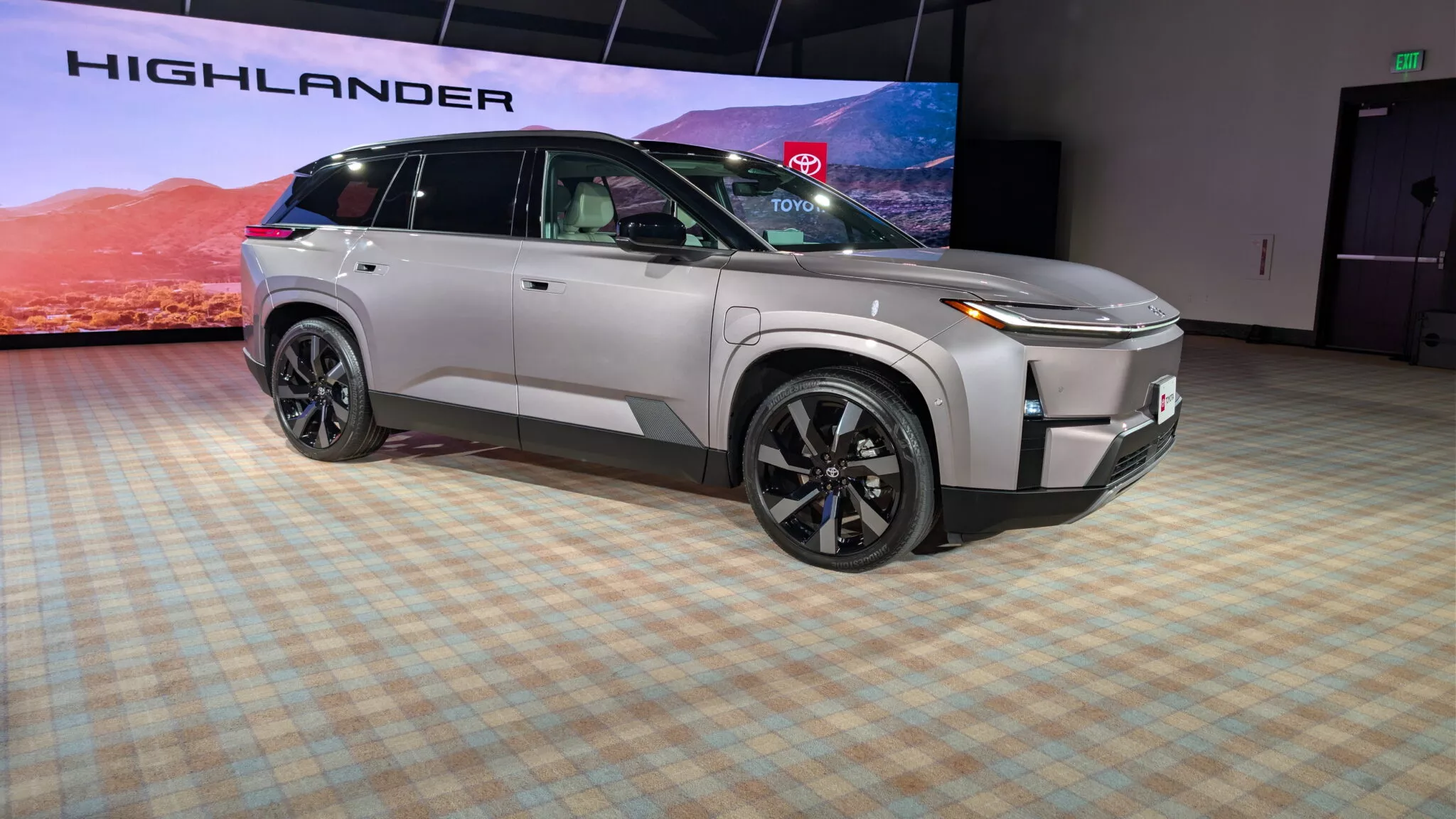
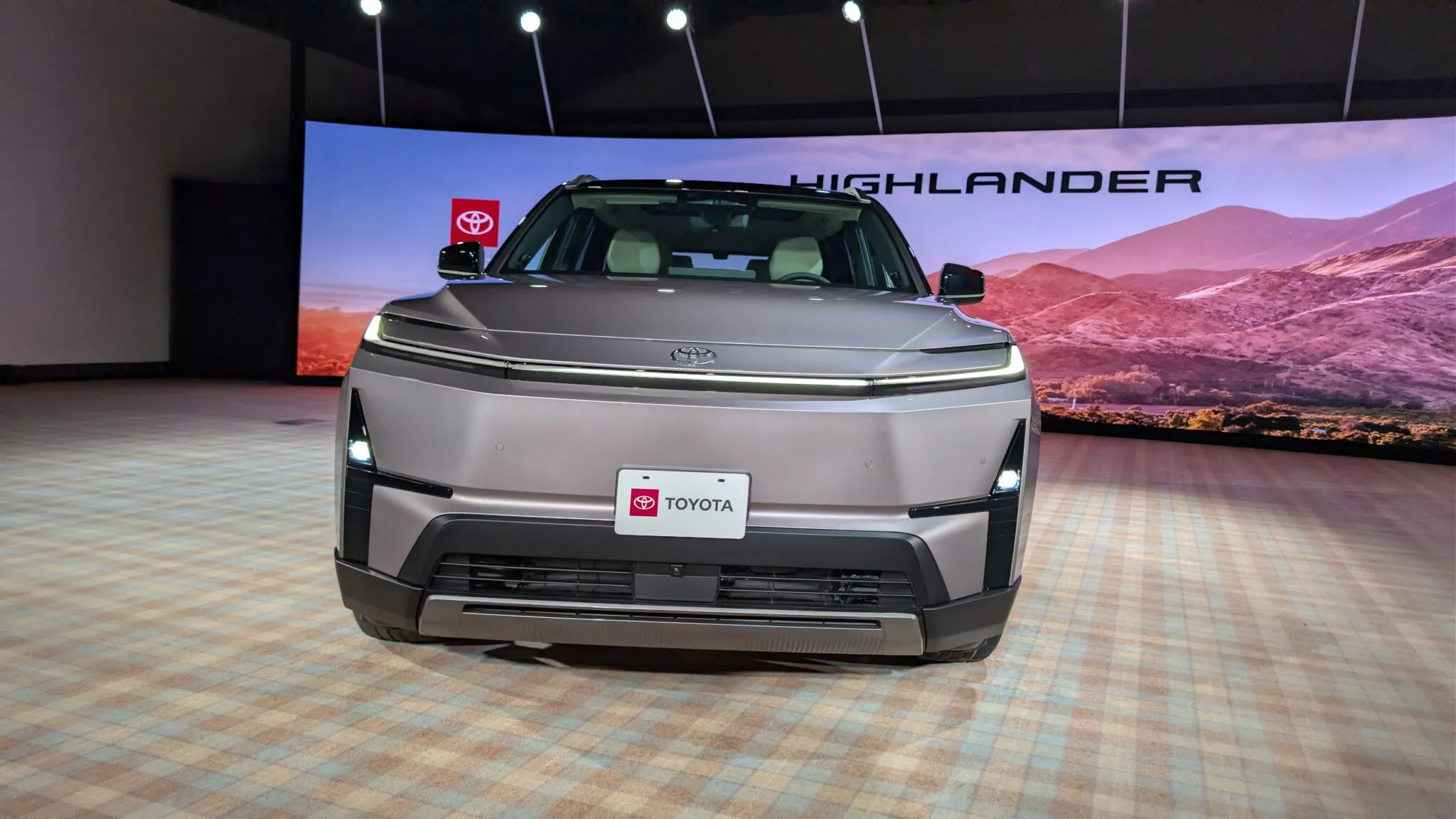
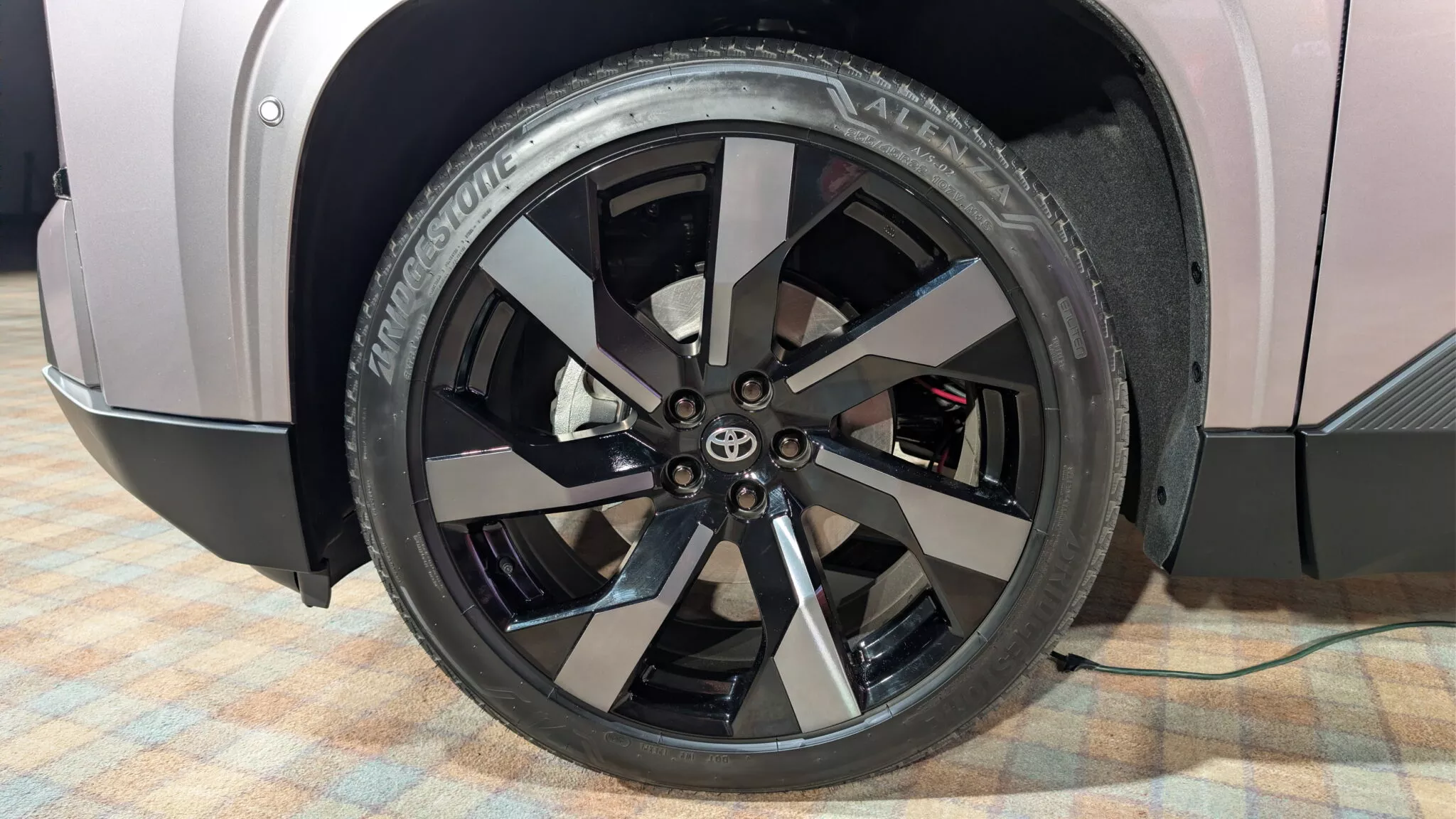
You can see the shift visually. The hammerhead-style front end is here, along with slim LED DRLs, flush door handles, and broader fenders. The roofline sits lower than the outgoing model. Longer and wider, lower roof. It changes the stance more than you’d expect.
Interior
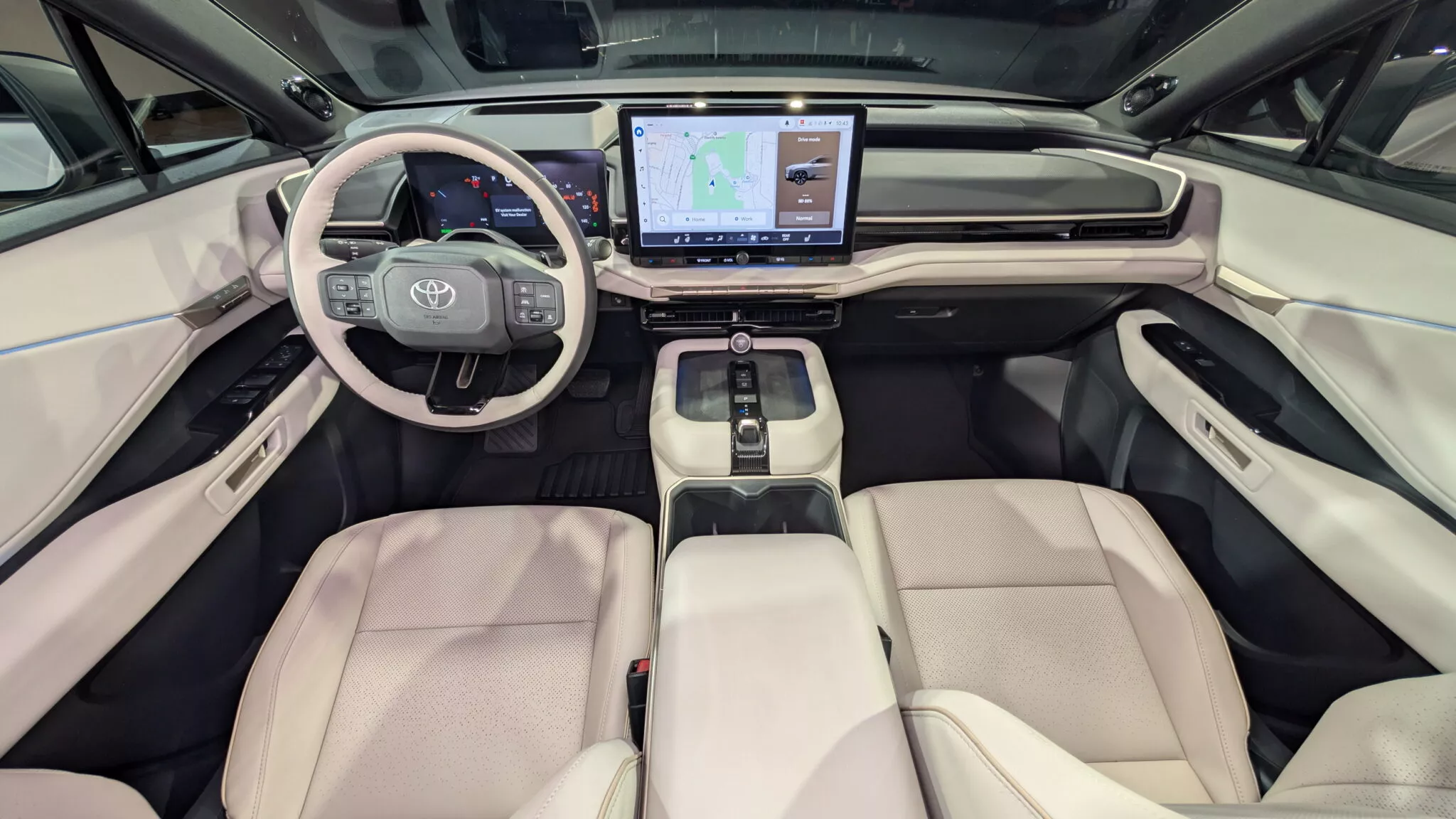
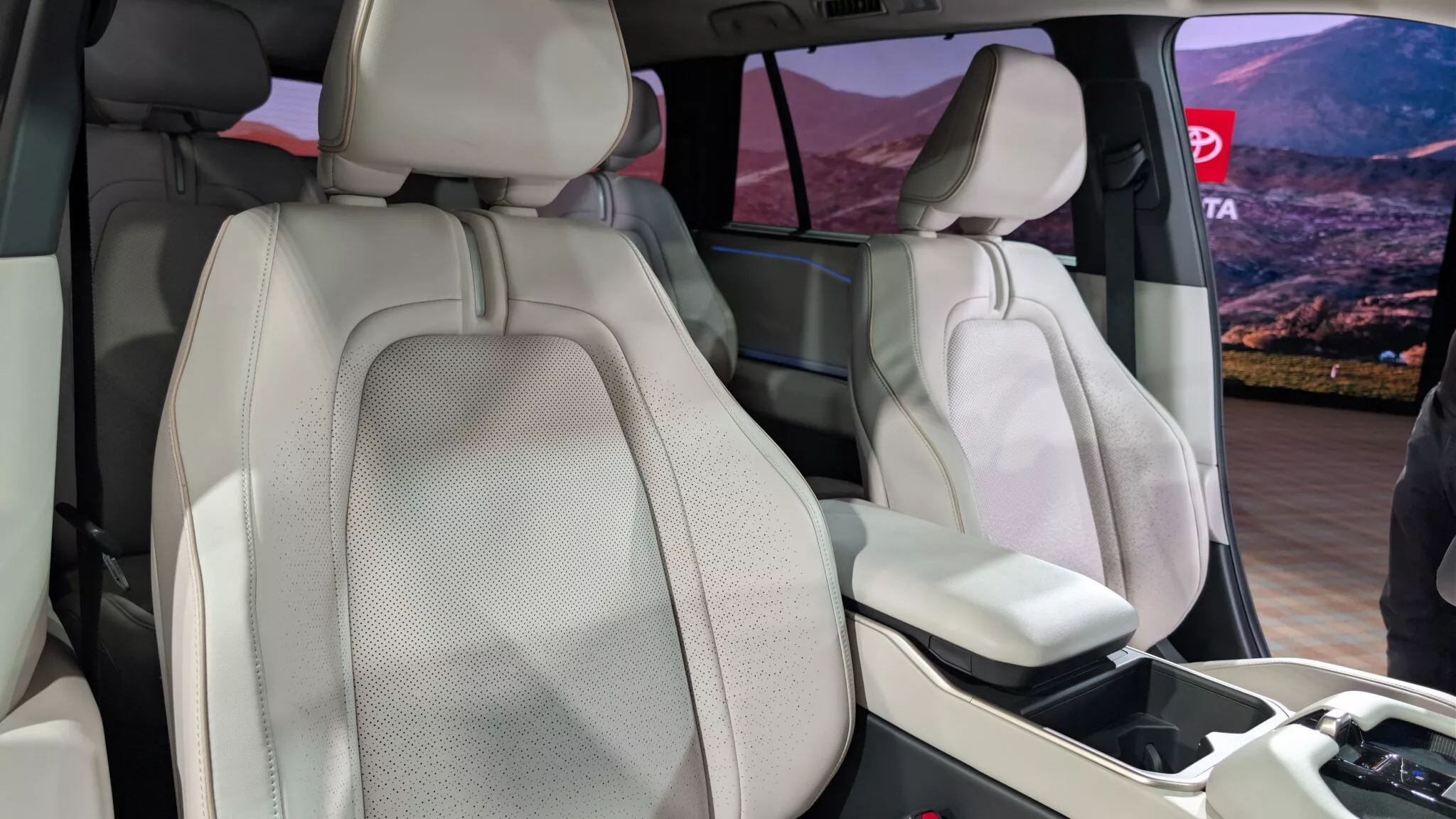
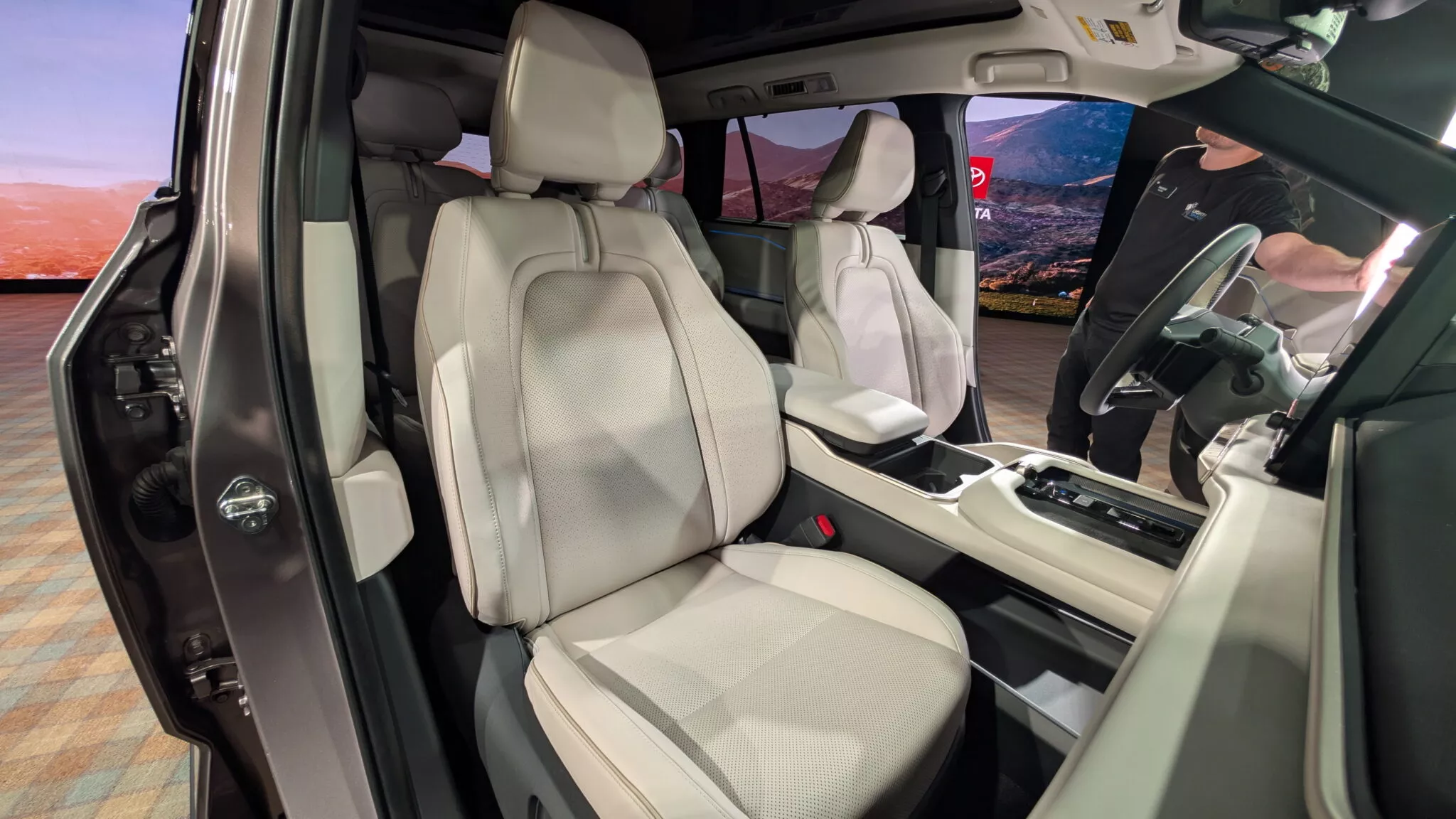
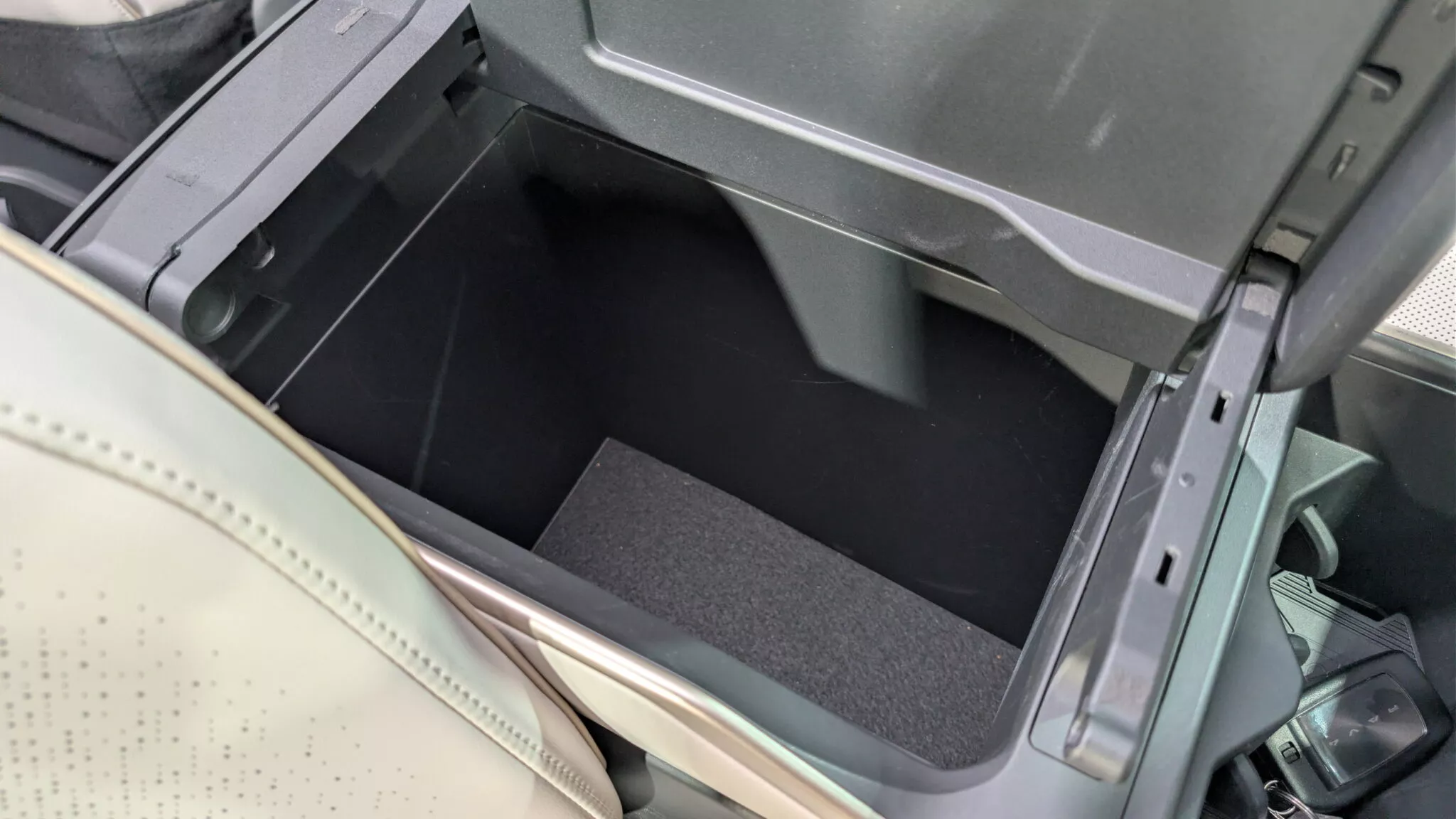
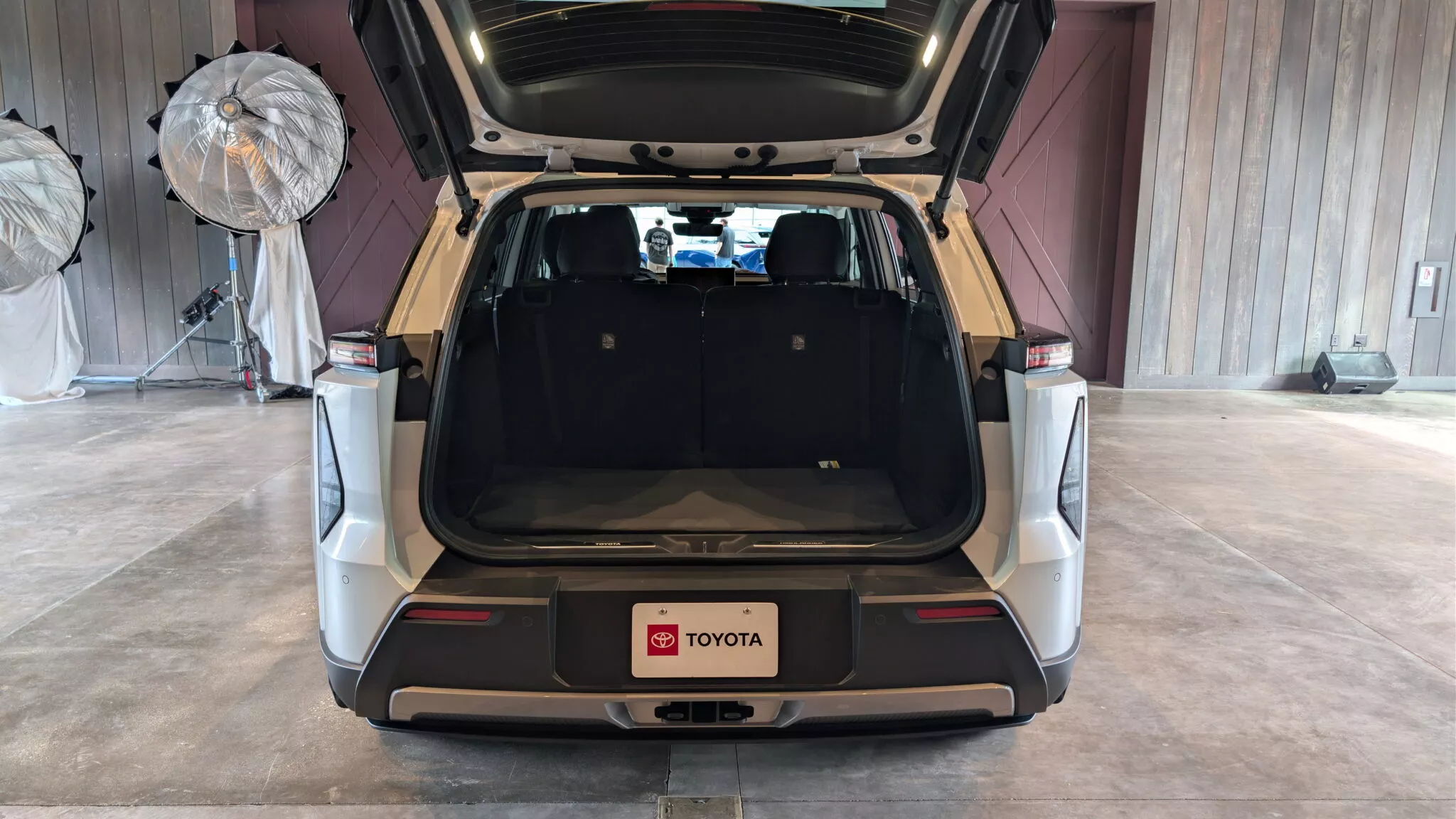
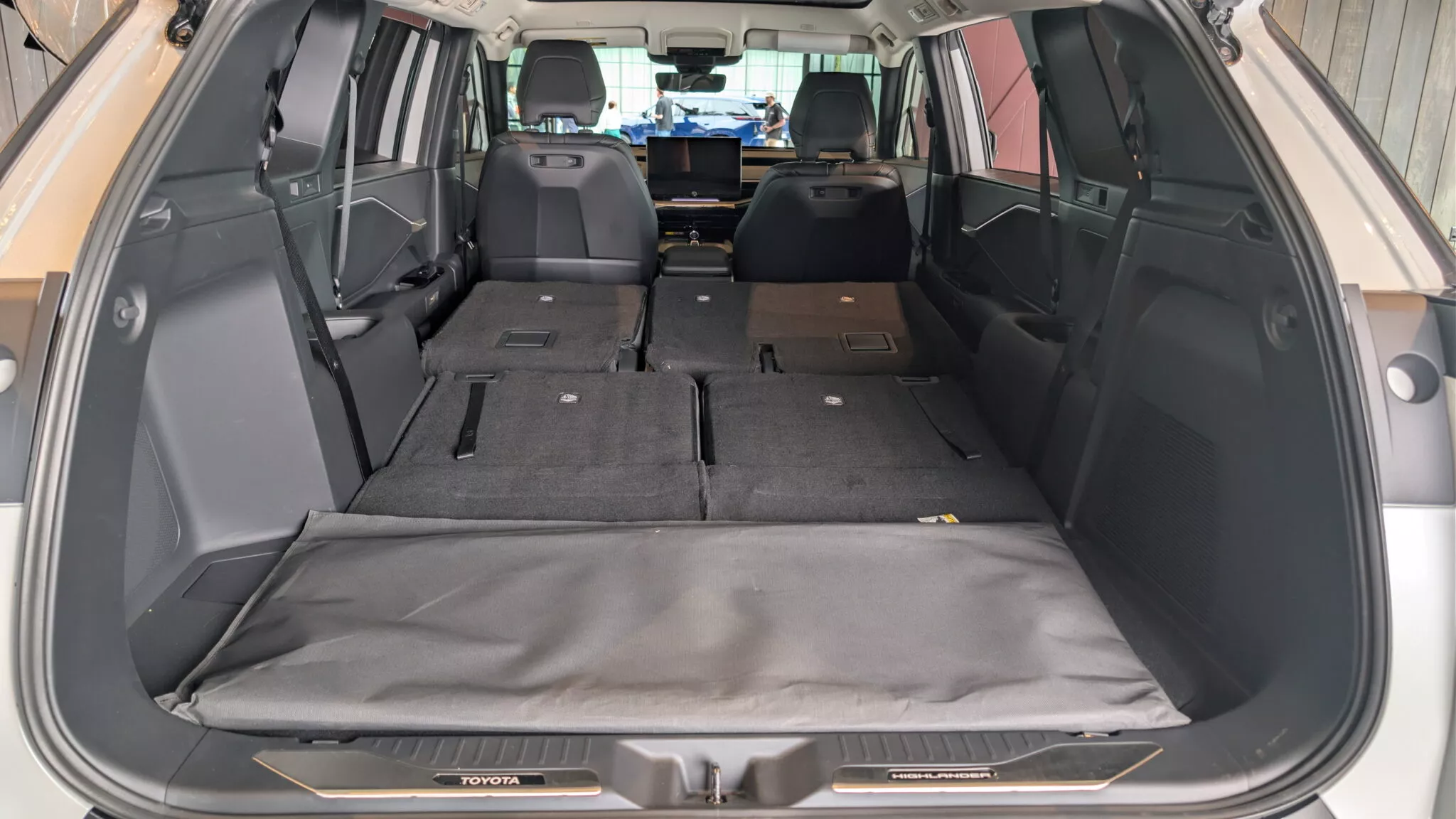
Inside, the extra wheelbase apparently wasn’t just for looks. Toyota says it allows for a roomier cabin and easier third-row access, plus better battery packaging underneath. Captain’s chairs come standard in the second row. On the XLE AWD, you can swap in a bench and go from six to seven seats.
Toyota even claims adults can sit comfortably in the third row; well, maybe not all adults, but still. There are also climate vents, a reclining backrest, and a lot of USB-C ports.
Infotainment and Technology
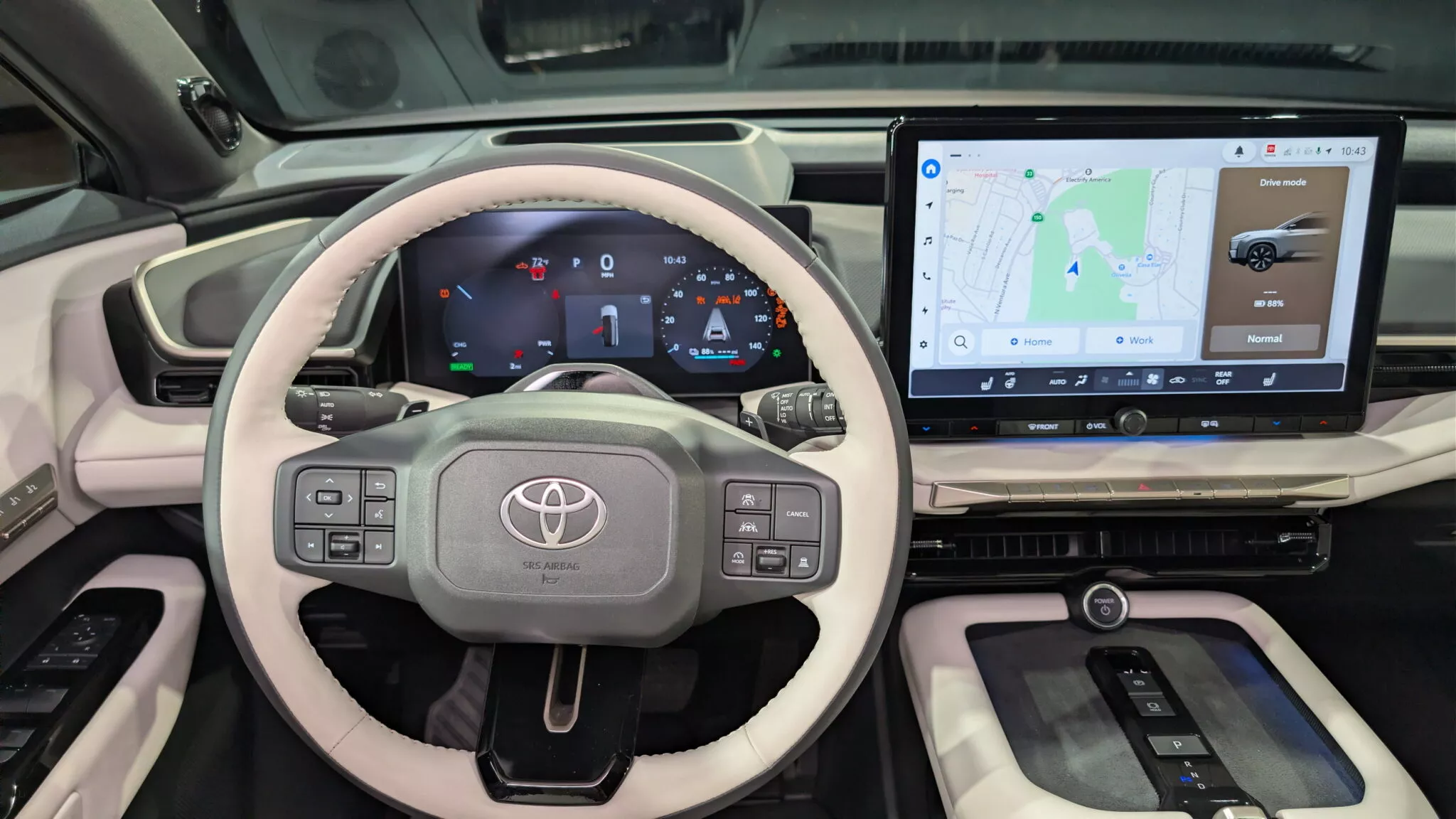
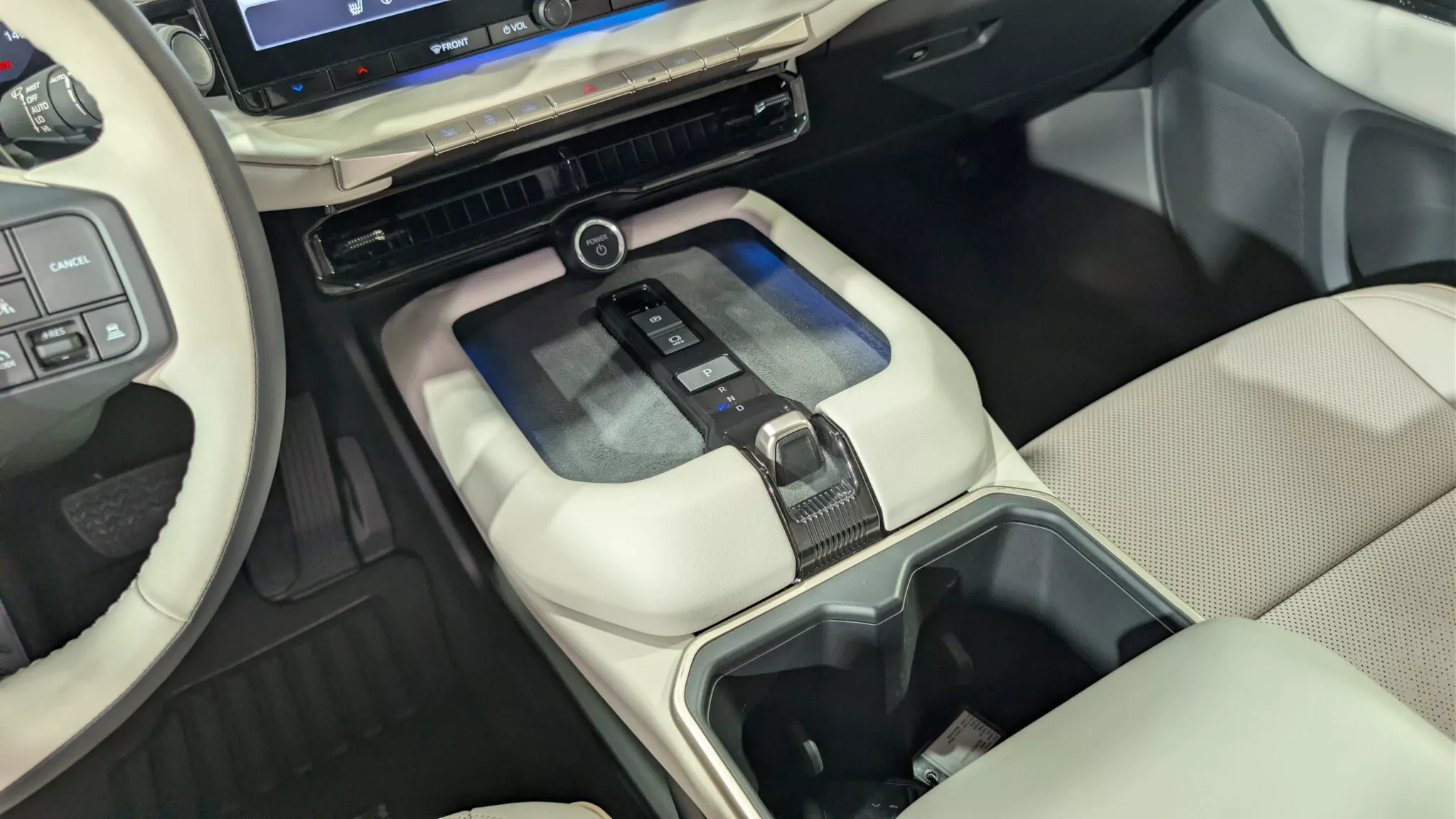
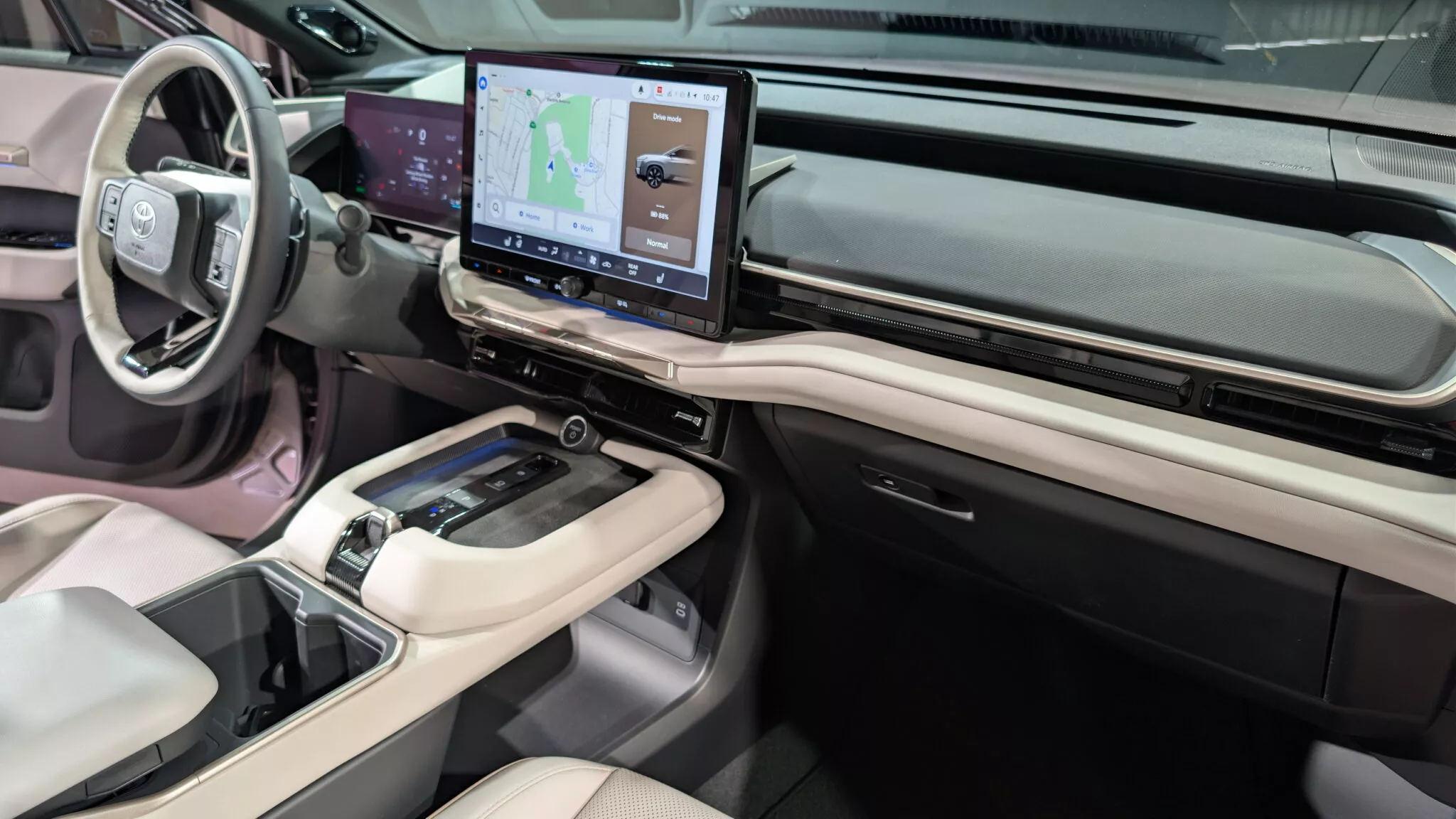
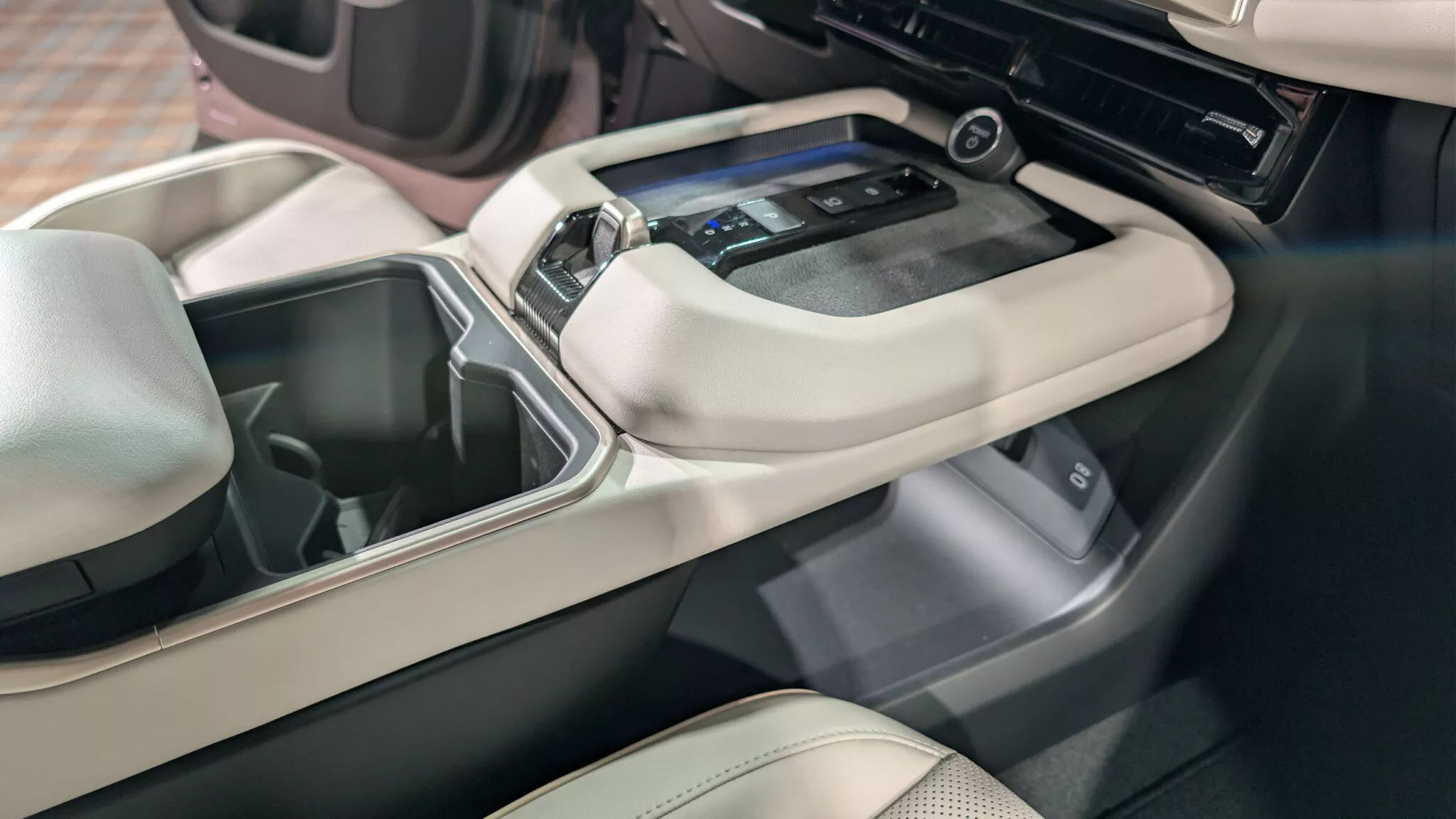
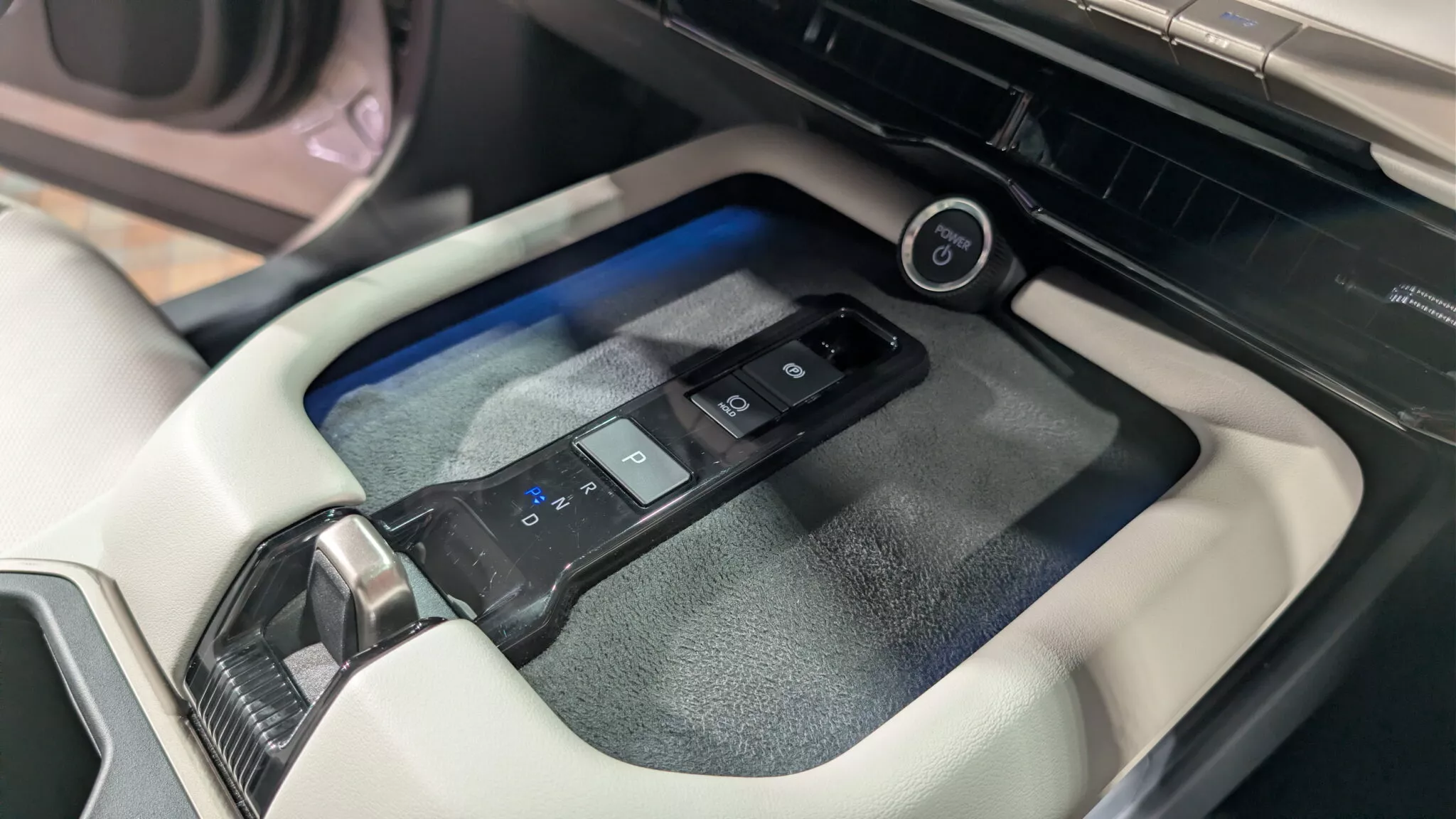
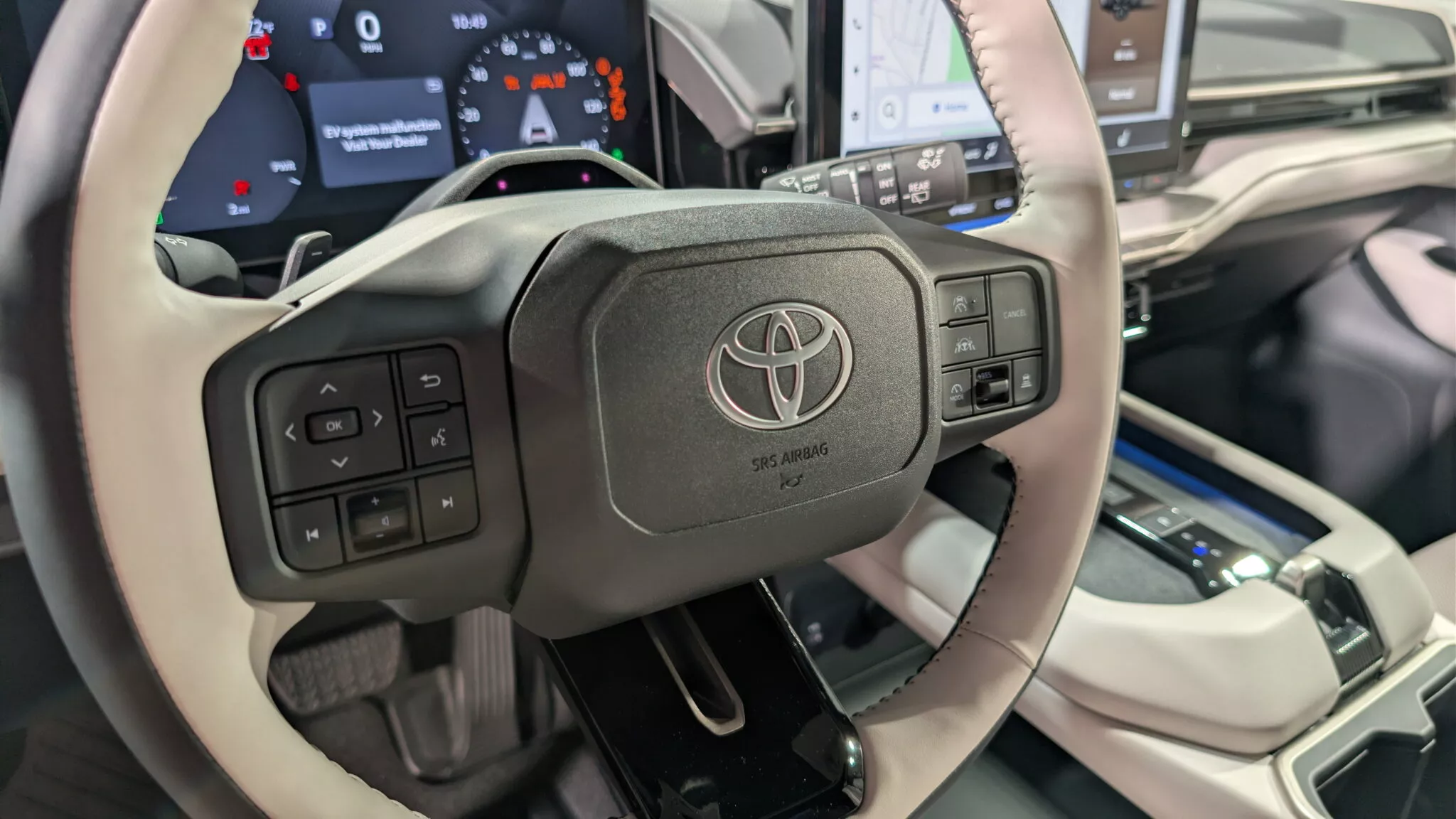
The 2026 Toyota Highlander has a primary 14-inch infotainment and a 12.3-inch digital gauge cluster, technology-wise. There are physical buttons that are only used in climate control.
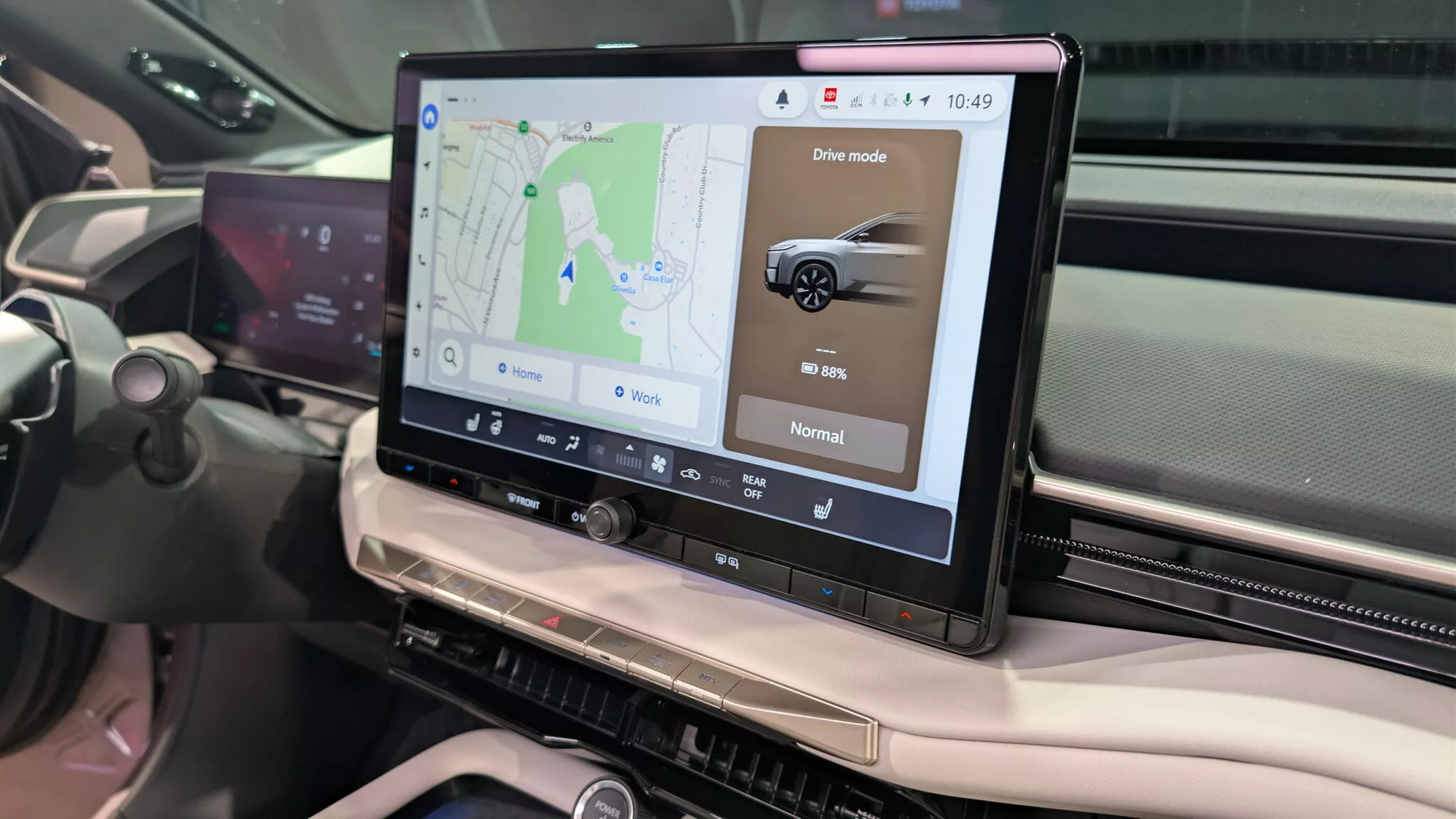
Both models include standard 64-color ambient lighting, heated front seats, SofTex upholstery, and the latest multimedia system offered by Toyota.
Electric Power
As for performance, the new Highlander features a 77.0 kWh battery for both front-wheel and all-wheel drive variants. In the XLE front-wheel, for instance, the battery delivers a 287-mile range and 221 horsepower, while the all-wheel drive is capable of 270 miles of range and 338 horsepower, and 323 lb-ft of torque. There is also a larger battery available in the Limited edition with standard AWD and the same 320-mile rating.
Charging is handled through a standard NACS port for DC fast charging. Toyota estimates a 10–80 percent charge in about 30 minutes under ideal conditions. A dual-voltage home charging cable is included. There’s also battery preconditioning and Plug & Charge capability.
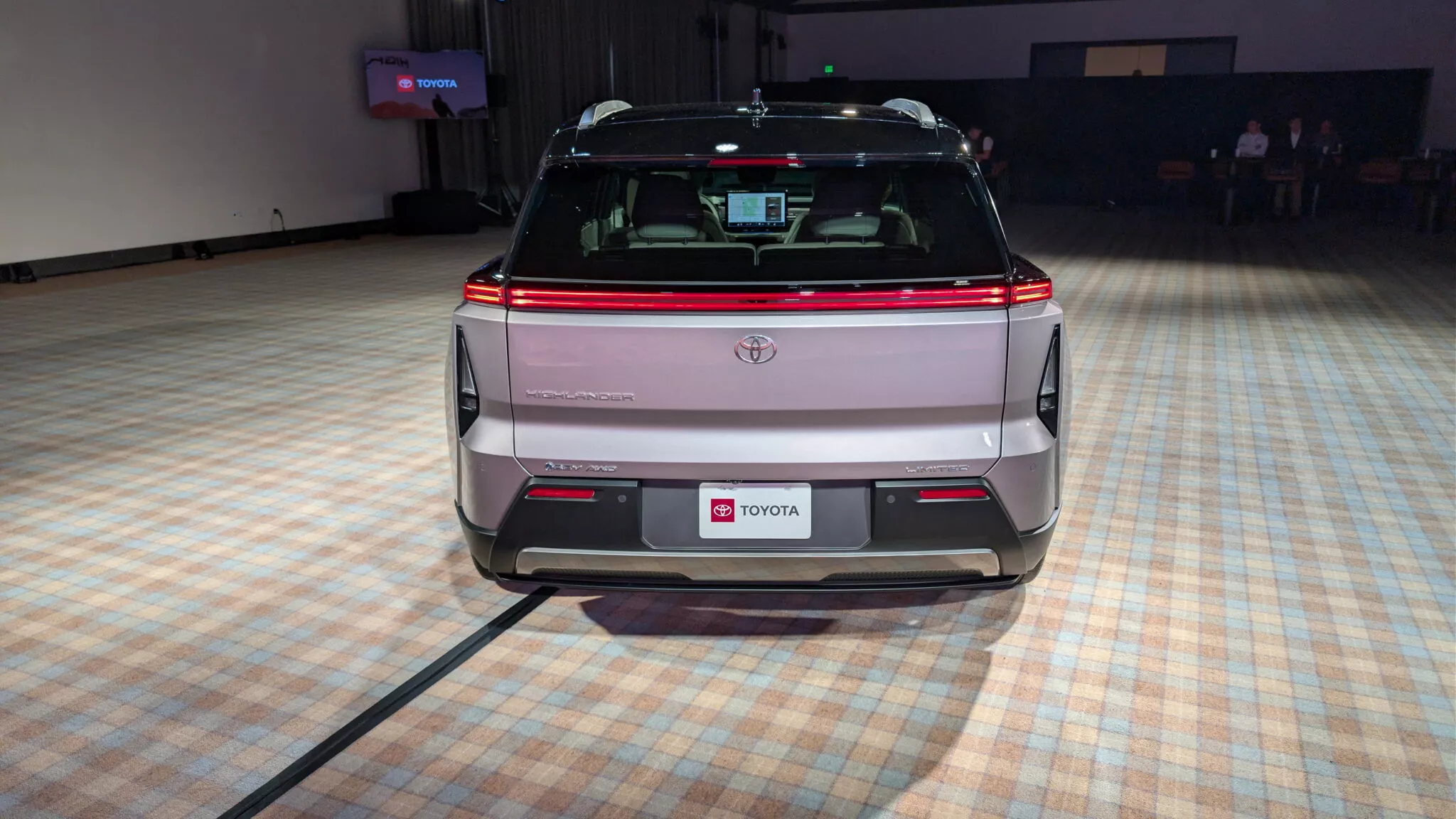
On the safety side, this is the debut vehicle for Toyota Safety Sense 4.0. It includes pre-collision braking, adaptive cruise control, lane-tracing assist, and proactive driving assist. The Limited adds Traffic Jam Assist, Advanced Park, a panoramic view monitor, and lane change assist.
There’s one more detail that might matter to some buyers: vehicle-to-load capability. It can power external devices or act as a backup power source.
Toyota hasn’t given us pricing yet, and we haven’t driven it. That part will come later. For now, the Highlander’s transformation is pretty straightforward: bigger, fully electric, and no gasoline fallback.
2027 Toyota Highlander – Photo Gallery