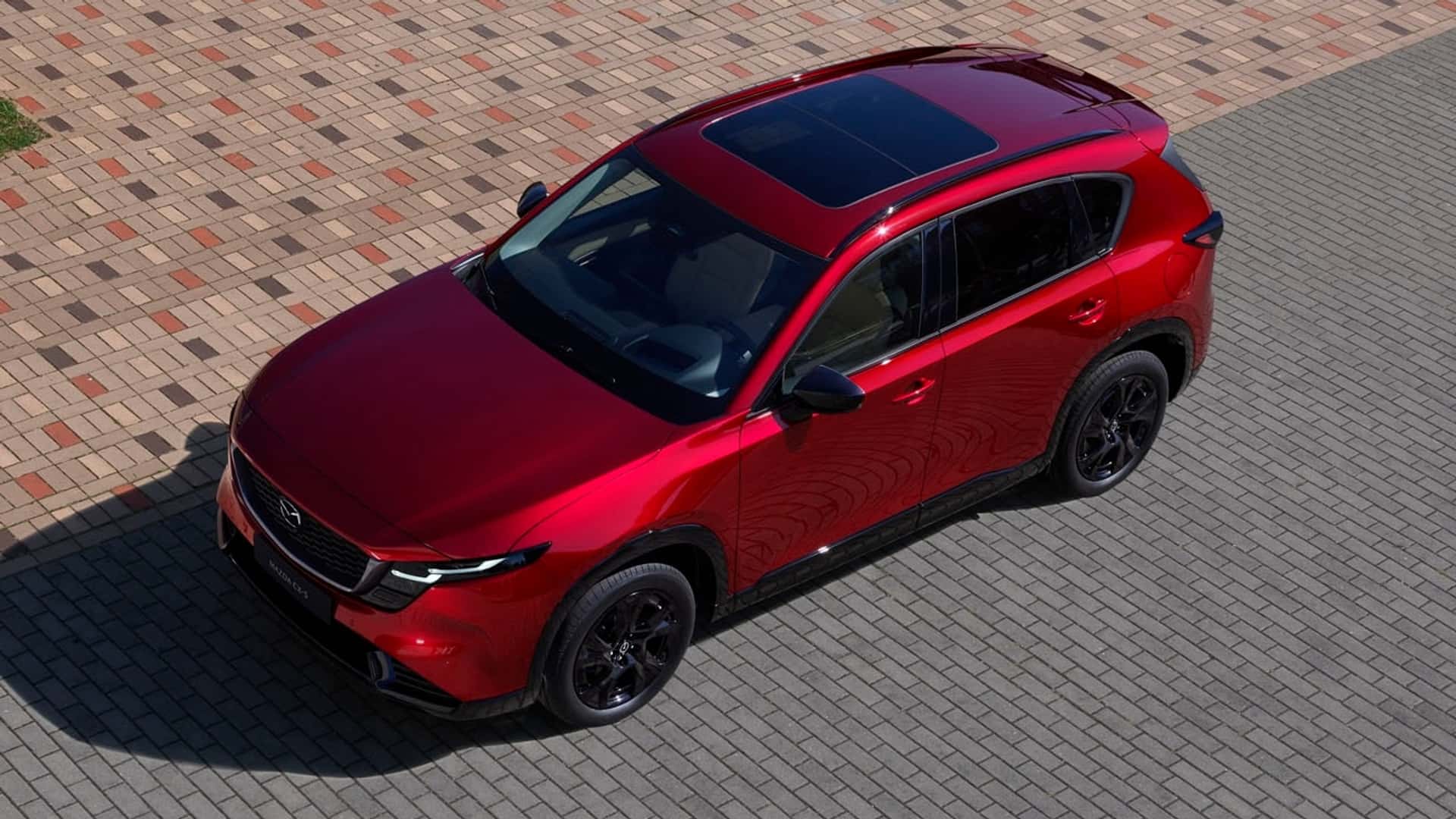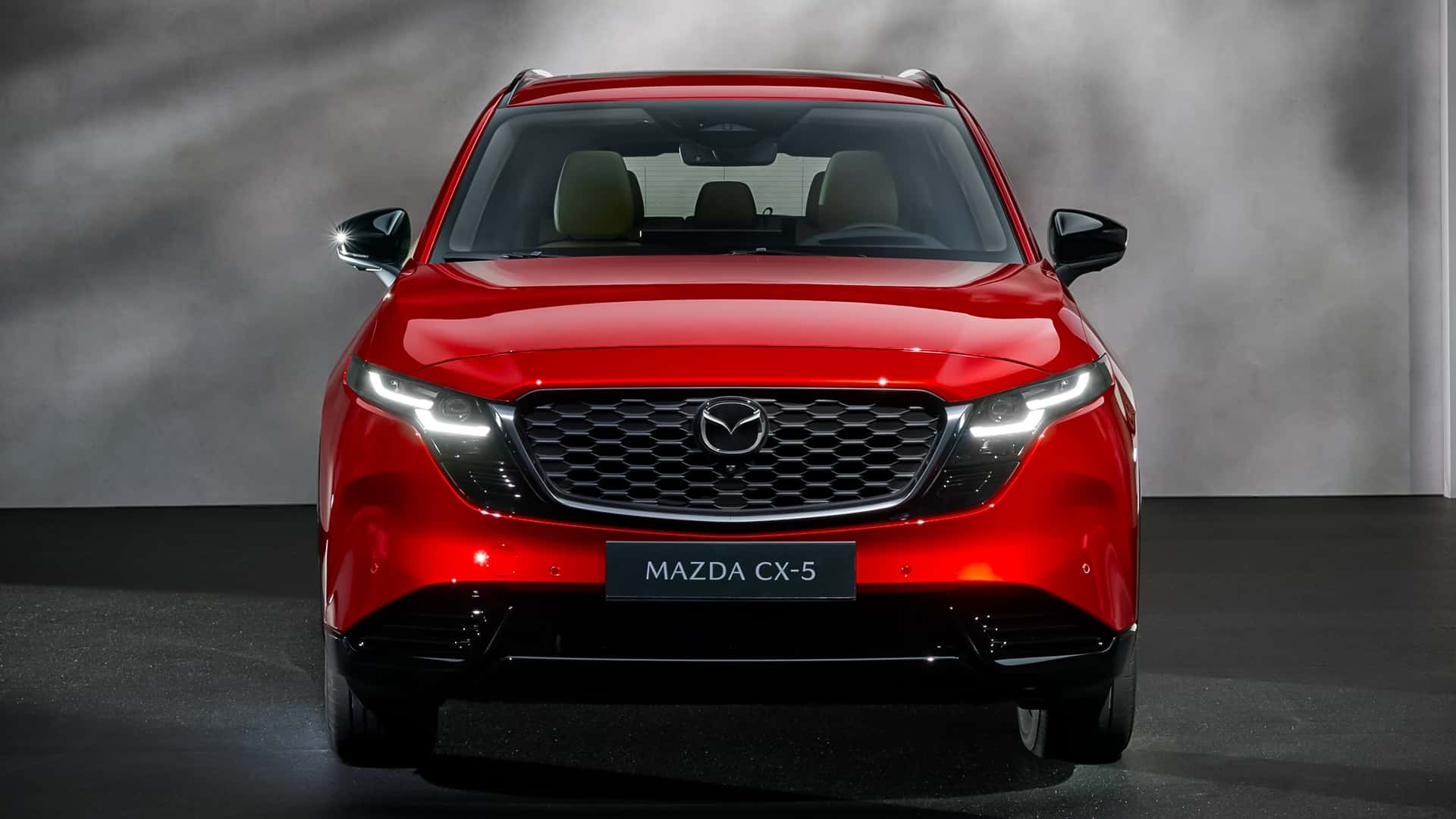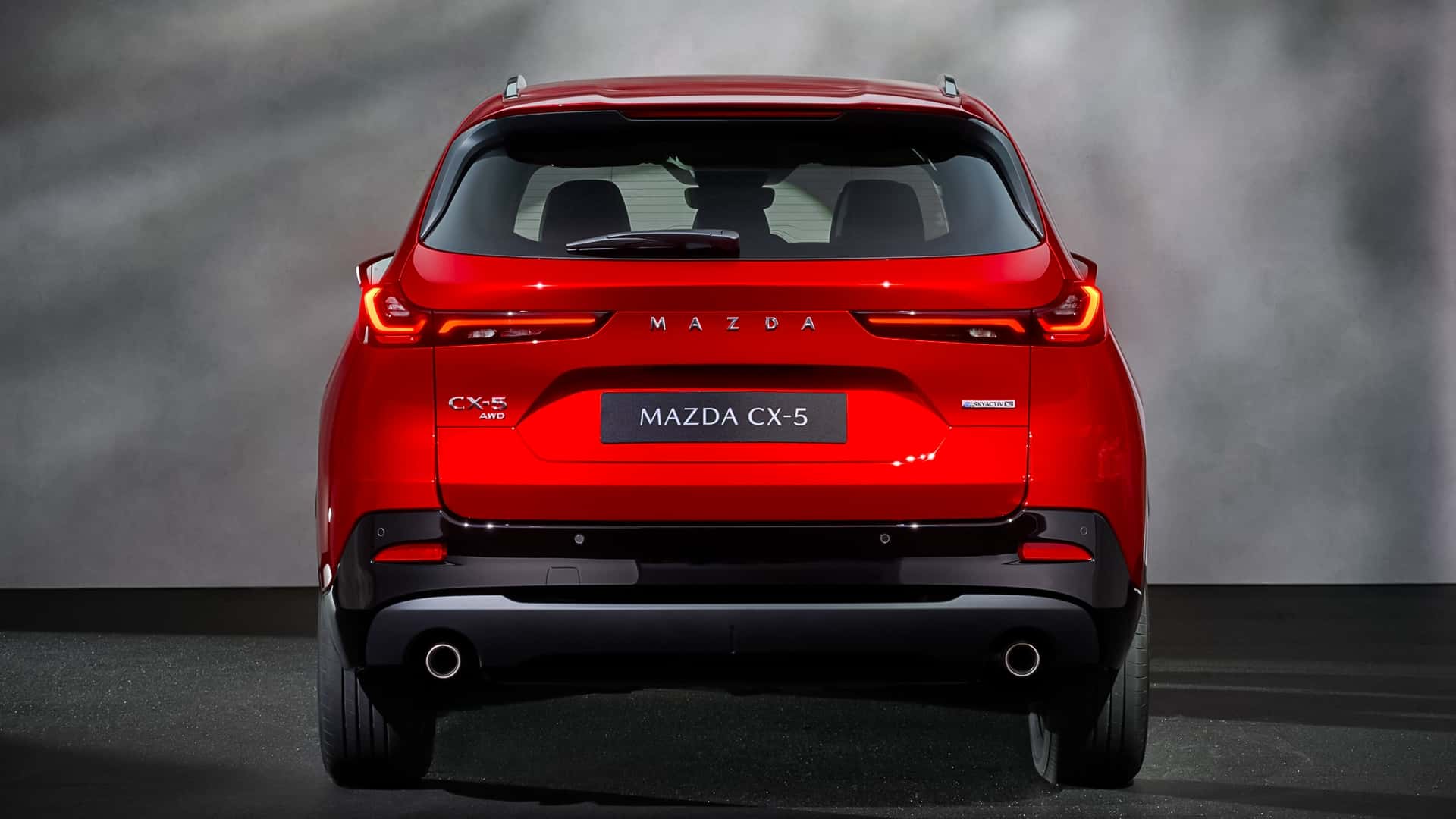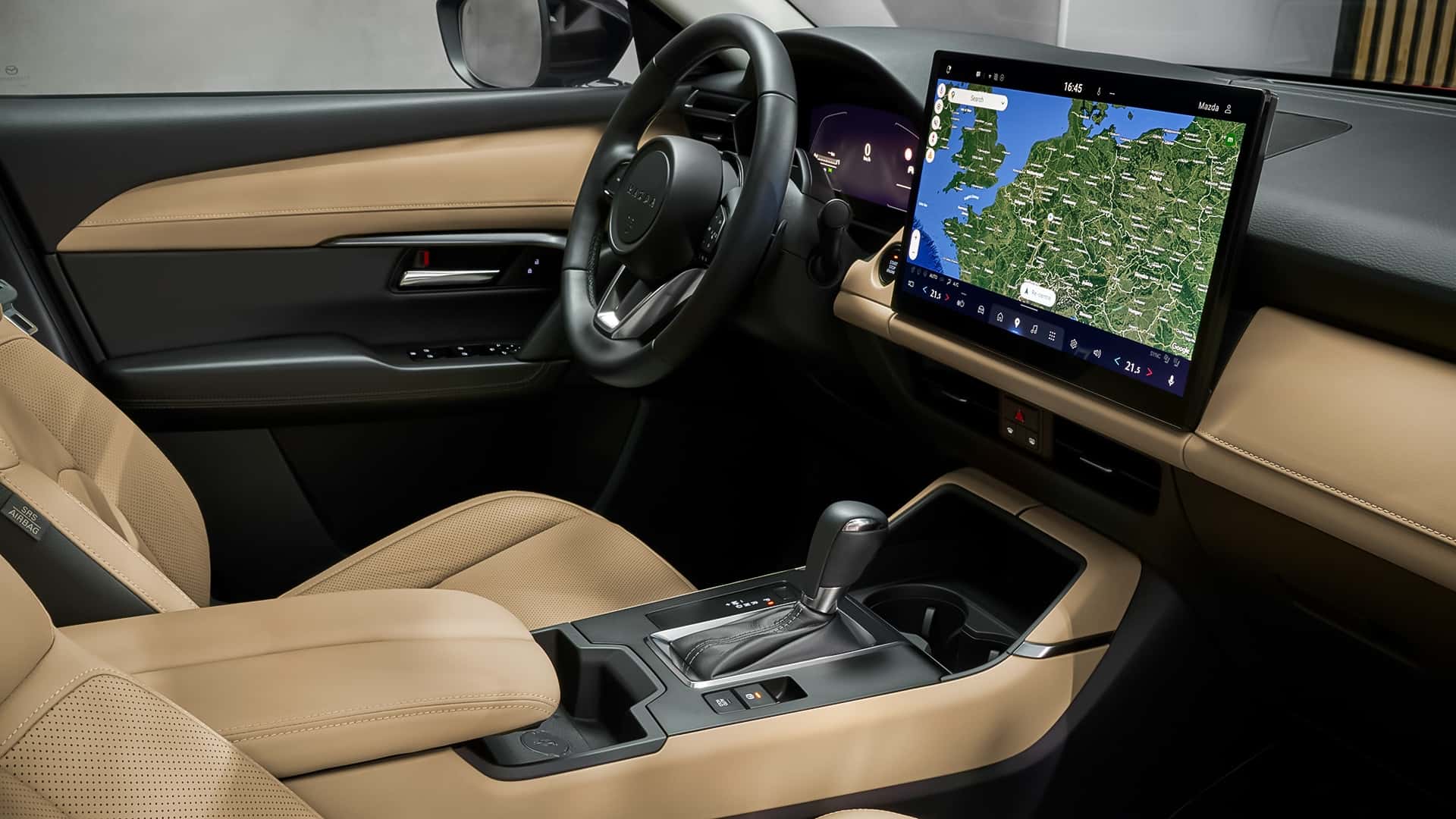














The one-off CX-5 from Mazda has been considered the best-handling crossover in its segment for quite some time; however, for 2026, the Japanese-based carmaker has introduced a couple of updates that make it stand out from the crowd even more.
The goal of this update is refinement. The new model is said to be tighter and more composed than the one it replaces and much of the direction of the growth can be traced back to the lessons learned with the MX-5 Miata.

As Ruben Archilla, Mazda’s senior manager of Research & Development, explained, “It wasn’t a matter of changing the character, it was just a matter of making it better,” a statement that frames the entire engineering approach behind the latest chassis revisions.
Suspension And Dampers
The most significant work centers on the suspension. Mazda invested in a new, more expensive damper design featuring a larger piston diameter and an improved valve stack. The revised internal structure reduces friction within the assembly and increases sensitivity, particularly at low speeds. The damping curve itself is less progressive than before.
“It’s more linear,” Archilla said. “So, we have more damping at the beginning of the motion and less damping at higher piston speeds.”
Meanwhile, Mazda changed the position of the springs and dampers. The CX-5 now has relatively soft springs with firm damping, a setup that was inspired by the Miata, which has the lowest ride frequency of any Mazda that the company makes.
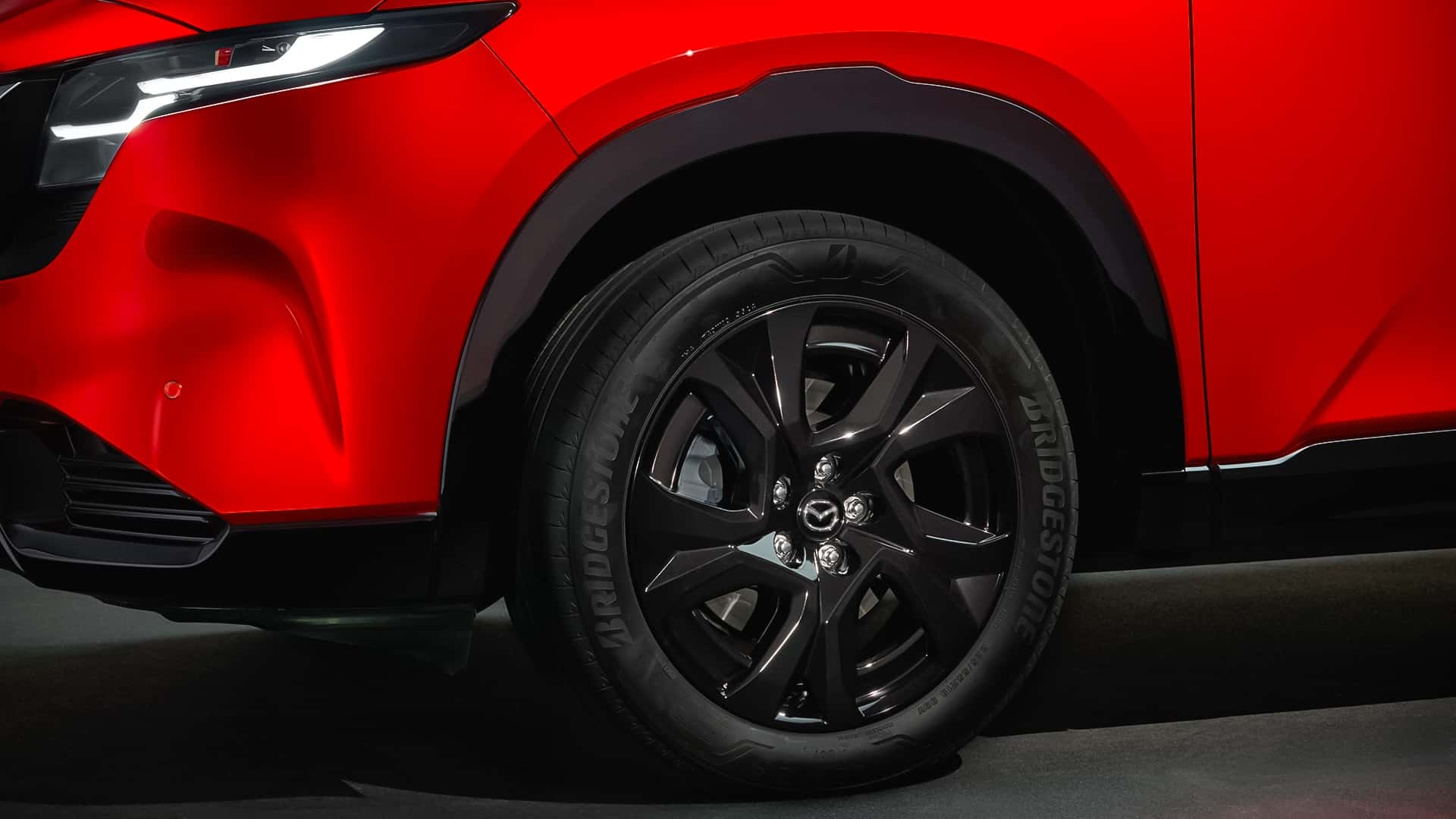
“The spring rate is considerably lower than it was in the previous car,” Archilla continued. “That allows it to soak up a lot of imperfections, and it makes the ride simply more comfortable, softer. But we’ve also increased the damping force, especially at the initial movement—like really small inputs, considerably—which is what keeps the body posture and the body motions, the kind of primary floaty motions, really well controlled.”
Steering And Control Systems
Beyond the suspension hardware, Mazda also focused on steering feel. The CX-5 receives more analog feedback, with adjustments that influence how forces travel back through the steering column.
“That gives the front tires more grip, gives them more response, and it also creates more force that gets fed back through the steering,” Archilla noted.
The carmaker perfected its G-Vectoring Control technology that decreases the engine force in order to move the weight to the front wheels as the driver initiates the turning. Moreover, the torque coupling in the all-wheel-drive system is slightly preloaded, which stimulates the front and rear tires to rotate at the same speed. This produces self-aligning torque and works alongside reduced damping in the electric power steering assist system.
“It’s got more actual tactile feedback, more analog feedback, and lighter effort, which makes it just easier to drive,” Archilla said.
2026 Mazda CX-5 – Photo Gallery